Chaumont Bay
The big eastern-basin bay between Chaumont and Point Peninsula. NYSDEC lists pike among the fish to troll or cast for in the shallows. Launches at Chaumont, Three Mile Bay and Long Point State Park in Lyme.
Northern Pike · Lake Ontario
Lake Ontario's open water is trout and salmon country, but its bays, ponds and coastal marshes hold one of the better northern pike fisheries in the East. Fish the eastern-basin bays and the south-shore embayments in spring, fall and through the ice, and leave the main lake to the trollers.
Prime time
May through June, September until ice-up, and December through mid-March through the ice
Depths
3–10 ft over marsh and weed in spring; 10–20 ft on outside weed edges in fall and under the ice
Typical size
24–32 inches
Lake max depth
802 ft
Where
The big eastern-basin bay between Chaumont and Point Peninsula. NYSDEC lists pike among the fish to troll or cast for in the shallows. Launches at Chaumont, Three Mile Bay and Long Point State Park in Lyme.
Famous for smallmouth, but NYSDEC describes the protected harbor as commonly holding pike up to 12 pounds, with fast fishing in spring, fall and winter. Launch at Henderson.
Called ponds, fished like bays. NYSDEC rates them among Lake Ontario's best for pike. The marsh between them at Lakeview Wildlife Management Area has had wetland work aimed partly at pike spawning and nursery habitat. Launch at Sandy Creek.
The Wayne and Cayuga county bays. NYSDEC calls the ice fishing for pike on Sodus Bay excellent, and rates Port Bay and Little Sodus highly for pike as well. Launches at Sodus, Wolcott and Fair Haven.
Rochester's two bays. NYSDEC calls Braddock Bay's spring and summer fishing for trophy northerns outstanding, and Irondequoit Bay a year-round pike fishery, open water and ice. Launches at Rochester, Irondequoit and Penfield.
How
May and June, over 3 to 10 feet in the bays and marsh edges once the shallows warm into the 50s. A 3/4 oz casting spoon or a large spinnerbait run just over the new weed. Bright patterns in stained marsh water, silver and gold in clear eastern-basin water.
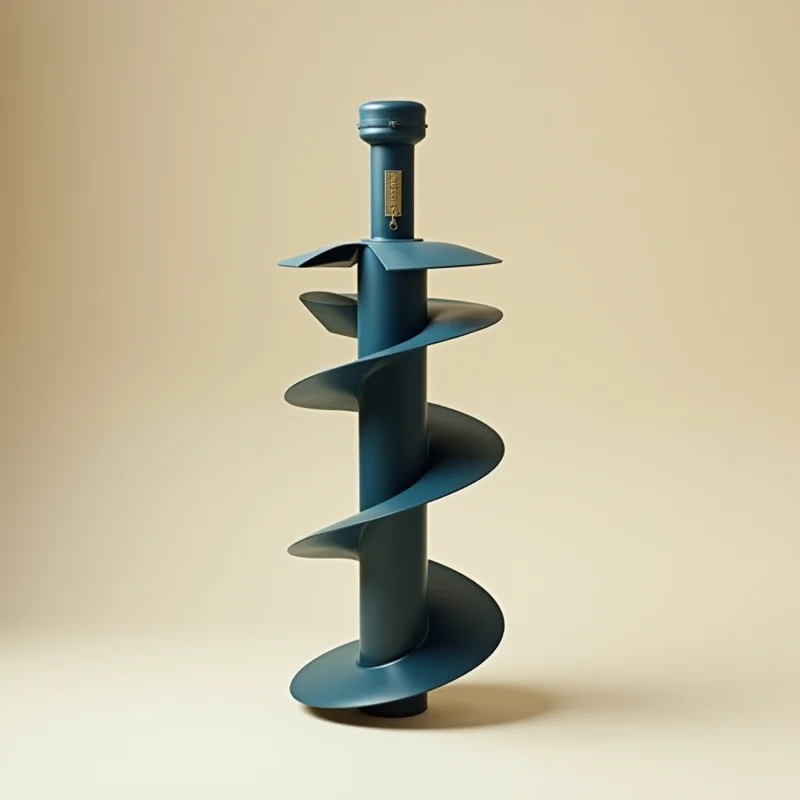
December through mid-March where the ice is safe. Large shiners or chubs on quick-strike rigs, a foot or two off bottom along weed edges in 6 to 16 feet. Spread flags across depths, then move them onto whatever produces first.
September until ice-up, over 10 to 20 feet as the weeds thin. Hard pulls on a large jerkbait with two- to three-second pauses, or a 5- to 6-inch paddle-tail on a 1/2 to 3/4 oz head. This is when the heaviest open-water fish of the year come in.
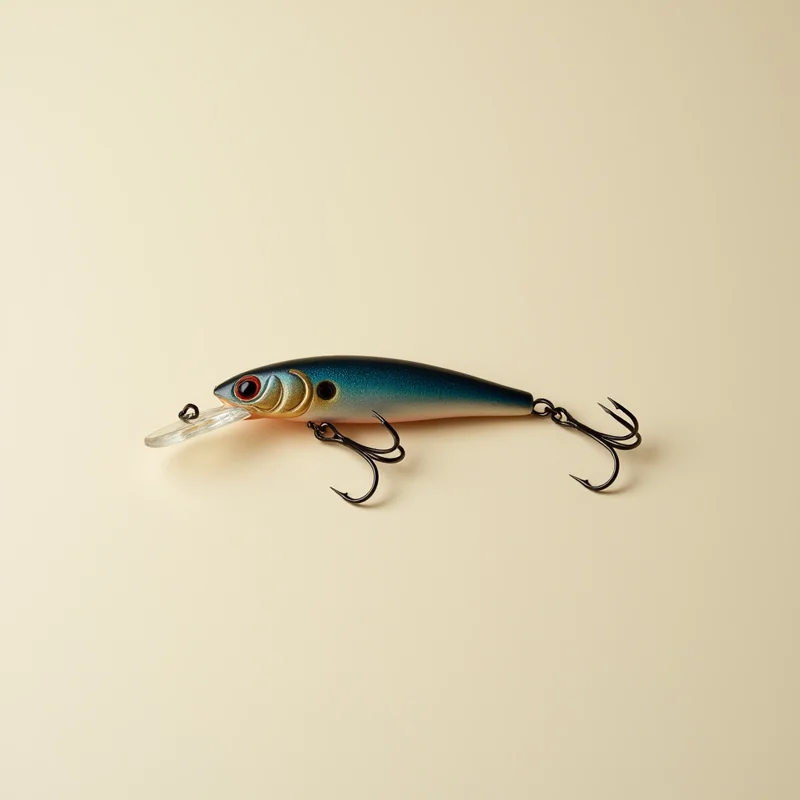
To locate fish in a big bay like Chaumont. Large spoons or shallow-running crankbaits at 2.0 to 2.8 mph along the outside weed line in 8 to 14 feet. When you get bit, stop and cast the stretch.
Lake Ontario is a deep, cold lake run for chinook, steelhead and lake trout. Northern pike want the opposite: shallow, weedy, sheltered water that warms early.
Lake Ontario has plenty of that, just not out in the lake. The New York shore is lined with drowned river mouths, barrier-beach ponds and coastal marshes, and the eastern basin breaks into big protected bays. NYSDEC’s description is that the marshes and bays along the lake and the St. Lawrence River provide some of the finest northern pike fishing in the East. That is where you fish.
Chaumont Bay is the big one, a broad bay off the eastern basin. NYSDEC lists northern pike alongside bass and walleye as fish to troll or cast for in its shallows. Use the launches at Chaumont, at Three Mile Bay, or at Long Point State Park out on Point Peninsula in Lyme.
Henderson Harbor, a short run south, is better known for smallmouth bass. The protected harbor itself, per NYSDEC, commonly holds pike up to 12 pounds and fishes well in spring, fall and winter. Launch at Henderson.
A big bay is a lot of water to cast. Troll it first. Large spoons or shallow cranks at 2.0 to 2.8 mph along the outside weed line in 8 to 14 feet will show you where the fish are; then stop and cast the stretch that produced.
North Sandy Pond and South Sandy Pond sit behind the barrier beaches on the eastern shore. They are called ponds; NYSDEC calls them two of Lake Ontario’s best bays for pike. Launch at Sandy Creek.
Between them is Lakeview Wildlife Management Area in Ellisburg, part of the largest natural freshwater barrier-beach system in New York. Its marshes had grown choked with dense cattail. A wetland enhancement project completed in 2024 by NYSDEC and partners cut channels and potholes back into the marsh, with improved spawning and nursery habitat for northern pike as one of the stated goals. That is the kind of work that decides how many pike these bays hold ten years from now.
West of Oswego, the shore runs through a string of bays, each its own small pike fishery.
Sodus Bay is the largest. NYSDEC calls its ice fishing for pike excellent. Port Bay, East Bay and Blind Sodus Bay nearby rate highly for pike as well, with access from the Lake Shore Marshes Wildlife Management Area in Wolcott and Huron. Little Sodus Bay at Fair Haven fishes year-round and produces pike through the ice.
Closer to Rochester, Braddock Bay gets NYSDEC’s strongest wording for pike — outstanding spring and summer fishing for trophy northerns. Check the channel depth before running out to the lake from it. Irondequoit Bay, on the city’s east side, is a year-round pike fishery, open water and ice. Launch at Rochester for Braddock and at Irondequoit or Penfield for Irondequoit Bay.
Spring. May and June, as the shallows warm into the 50s. Cast 3/4 oz spoons and large spinnerbaits over 3 to 10 feet of new weed and marsh edge.
Fall. September until ice-up, on the outside weed line in 10 to 20 feet as the weeds die back. Big jerkbaits with long pauses, or a paddle-tail swimbait on a heavy head. The year’s heaviest open-water fish come now.
Winter. December through mid-March, where the ice is safe. Tip-ups with large shiners or chubs along weed edges in 6 to 16 feet, flags spread across depths. Bay ice on Lake Ontario is inconsistent from winter to winter, and ice near creek mouths and channels stays thin. Read ice safety on the Great Lakes and carry picks.
Whatever the season, run a fluorocarbon or wire leader. Pike teeth cut light line.
The Thousand Islands bays start at Cape Vincent, and NYSDEC sends pike anglers to Eel Bay and Lake of the Isles at Wellesley Island, the bays around Grindstone Island, and Chippewa Bay. That is river fishing rather than lake fishing, and it is excellent. It is also worth knowing that SUNY ESF seining surveys have documented a long decline in young-of-year pike in the upper river since the late 1980s, tied to changes in spawning habitat. Release the big females.
If you are in the area for muskellunge, a pike day in the bays is the easy change of pace.
New York manages its Lake Ontario and St. Lawrence waters, and its Great Lakes rules can differ from inland waters. Pike seasons and limits change. Read the current NYSDEC freshwater fishing regulations before you fish, and Ontario’s if you cross the border on the river.
Where to put in
Dark marks are launches named in this guide. Generalized shoreline, not for navigation.
Kit
The pier spoon. A heavy, wobbling casting spoon that has caught fall salmon and spring steelhead off Great Lakes breakwalls for sixty years.
The wooden tip-up that has been catching Great Lakes pike since the 1940s, with a sealed underwater spool that does not freeze up at fifteen below.
The rod you hand a kid, keep as a pier spare, and never worry about again.
The leader that stands between a Lake St. Clair muskie's teeth and your line, in the fluorocarbon that clear water demands.
A knotless, rubber-coated net that does not strip slime or tangle trebles, in a hoop size that actually fits a Great Lakes fish.
Two steel awls on a cord around your neck. The cheapest piece of gear that has ever saved a Great Lakes angler's life, and the most commonly skipped.
Questions
Same fish, other water
Size limits, bag limits, and open seasons for northern pike on Lake Ontario are set by NYSDEC and change from year to year. Check the current rulebook before you keep a fish.
Sources
Last updated 2026-10-08