Mostly a river
Lake Ontario is a trout and salmon lake. Along the New York south
shore from the Niagara to Oswego, the open water is deep, cold and built for
trolling chinook and lake trout. It is not muskellunge
water.
The muskie fishery that carries Lake Ontario’s name lives where the lake drains.
At Cape Vincent, the eastern basin narrows into the St. Lawrence River, and the
upper river through the Thousand Islands holds one of the few
self-sustaining muskellunge populations in North America. Most of the fishing on
this page is in that river. Some of it is in the eastern end of the lake. A small
part is at the opposite end, in the lower Niagara.
Why the eastern lake still counts
The river fish do not stay in the river. Muskellunge spawn in the shallow,
weedy bays of the St. Lawrence in spring. Afterward, a share of the adults swim
upstream into the lake. In a radio-tagging study summarized in the St. Lawrence
management plan, about half of 47 tagged adults moved up into the Cape
Vincent–eastern Lake Ontario region after spawning, some traveling close to 100
kilometers.
The eastern basin also has nursery water of its own. The management plan lists
sites at Grenadier Island and Fox Creek near Cape Vincent, and Rose Bay just
down-river is one of the best-studied muskellunge nursery bays on the river.
So the U.S. lake water around Cape Vincent, Mud Bay and Grenadier Island is
legitimate fall muskie water. It is just thinly populated, and most of the fish in
it were born in the river.
The Thousand Islands
The core of the fishery runs from Cape Vincent down through Clayton and
Alexandria Bay. NYSDEC’s own guidance is plain: from late summer through fall,
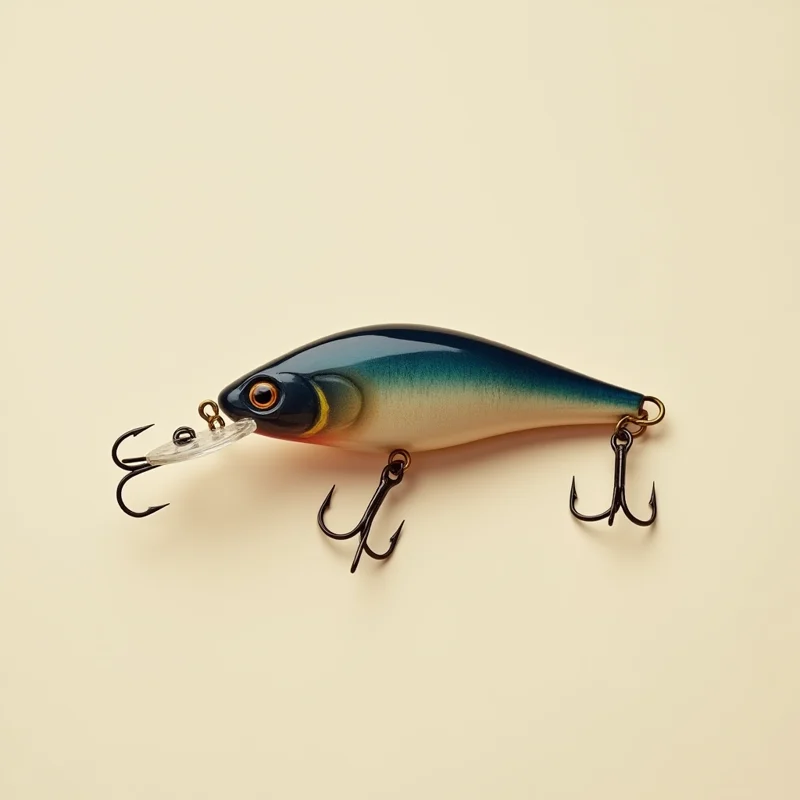
troll the edges of shoals between Cape Vincent and Ogdensburg with large spoons
and plugs. In October and November, the Grindstone Island shorelines are a
favorite, fished deep with downriggers and planer boards.
History sits on this water. The New York state record muskellunge, 69 pounds 15
ounces, came out of the river near Clayton in 1957.
What NYSDEC also says plainly is that it can take more than 30 hours to catch one,
and that a guide is a good idea for anyone new to it. Believe them. The river is
big, the current is real, and the fish are spread out.
If the muskie are not cooperating, the same Thousand Islands bays and the eastern
basin are excellent northern pike water. And if
numbers matter more than the river’s mystique, Lake St. Clair
is the densest muskellunge fishery in the Great Lakes.
A population under pressure
The St. Lawrence fishery has been worked on for a long time. Catches fell
through the 1970s, the first management plan followed in 1980, and harvest by
anglers dropped sharply over the decades after as catch-and-release took hold.
The newer problems are harder. The U.S. Fish and Wildlife Service and SUNY ESF
attribute the recent decline to the arrival of round goby, to viral hemorrhagic
septicemia, and to continued loss of spawning habitat.
Since the late 2010s, the Thousand Islands Biological Station, NYSDEC and the
Fish and Wildlife Service have run an experimental program raising muskellunge
from river spawners and stocking them back into the river and eastern Lake
Ontario.
That context matters when you fish here. Every adult in this river is part of a
population that people are actively trying to rebuild.
The lower Niagara
At the west end of the lake, NYSDEC lists the lower Niagara River among New
York’s naturally reproducing muskellunge fisheries. It is fast, deep current
water feeding into Lake Ontario at Youngstown, with a launch at Fort Niagara
State Park in Porter. It is a niche fishery and a demanding place to run a boat.
If you fish it, learn the river first.
Handle every fish like it matters
Keep the fish in the water. Use a large cradle or rubber-coated net as a holding
pen, unhook with long pliers or a cutter, and support it horizontally if you lift
it for a photo. Keep air time to seconds. Hold it upright in the current until it
leaves on its own.
Border water
The international boundary runs down the St. Lawrence and through the Thousand
Islands. Stay on the U.S. side unless you hold an Ontario licence and know
Ontario’s rules, and keep your chart plotter showing the line. Cape Vincent is the
main U.S. launch at the head of the river.
Regulations
New York’s muskellunge rules for the St. Lawrence, Lake Ontario and the Niagara
River differ from its inland waters, and the Canadian half of the river is managed
by Ontario. Seasons and size limits change. Read the current NYSDEC regulations,
or Ontario’s if you cross the line, before you fish.