Munuscong Bay, St. Marys River
A broad shallow bay in the St. Marys system above Detour. Heavy vegetation, current, and the most consistent muskie water at the top of the lake.
Muskellunge · Lake Huron
Lake Huron muskie fishing is a northern-island game and it is nothing like St. Clair — fewer fish, more water, and long days between bites. Fish the St. Marys system and the Drummond Island bays in September and October and be honest with yourself about the odds.
Prime time
Late July through October, with September and October the best window
Depths
5–14 ft over cabbage and rock; 14–22 ft on the outside weed edges in late fall
Typical size
38–46 inches
Lake max depth
750 ft
Where
A broad shallow bay in the St. Marys system above Detour. Heavy vegetation, current, and the most consistent muskie water at the top of the lake.
Where the St. Marys enters Lake Huron. Current-swept, weedy shoreline pockets with deep water alongside. Fish stage here in fall.
A maze of islands, bays and boulder fields on the north side of Drummond. Big weed flats, very few boats, and the most remote muskie water on this site.
Thirty-six islands forming protected channels. Cabbage beds and rock in 5–14 ft, fishable when the open lake is out of the question.
Michigan has run muskellunge restoration work in the Saginaw system. It is a genuine but low-density fishery — treat a Saginaw Bay muskie as a rare bonus while you are fishing for something else, not as the target.
How
The primary northern-Huron method, from late July through October. A 9- to 10-inch rubber bait or a big double-blade bucktail worked over 5 to 14 feet of cabbage in the protected bays. Cover water — in a low-density fishery, the number of casts you make is the variable you actually control.
September and October in Munuscong Bay and Potagannissing Bay. Big crankbaits 60 to 100 feet back at 3.0 to 4.0 mph along the outside edge of the weed line in 12 to 20 feet. Slower than the St. Clair program, because the water is colder and the fish are fewer — you are working an edge, not sweeping a flat.
Current is the northern Huron advantage. Cast to the slack side of any point, island tip or weed edge where the current breaks, and work the bait back through the seam. Fish sit in the eddy and eat what the current delivers.
Mandatory here as everywhere. Rod tip into the water, wide figure-eight with hard turns, at least two passes before you lift. In water this clear you will often see the fish behind the bait — do not let that make you stop the retrieve early.
Late October, once water drops below 52°F. A large glide or jerkbait worked with hard pulls and long pauses over 8 to 16 feet of dying weed. Slow everything down: the pause is the presentation.
If you have read the Lake St. Clair muskie page, put it out of your head. That lake holds the densest muskellunge population in North America in 430 square miles of eleven-foot water. Lake Huron holds a scattered population across 23,007 square miles with 3,827 miles of shoreline.
The fish are here and they are big. There are simply far fewer of them, spread across far more water. That changes everything about how you fish, what you expect, and how you measure a good day.
Northern Huron. Specifically, the St. Marys River system and the island country where it meets the lake.
Munuscong Bay is the anchor. A broad, shallow, heavily vegetated bay in the St. Marys above Detour, with current running through it. It holds the most consistent muskie water at the top of the lake.
Raber Bay and Detour Passage sit where the river enters Huron. Current-swept shoreline pockets with deep water immediately alongside — classic fall staging structure.
Potagannissing Bay on the north side of Drummond Island is a maze of islands, boulder fields and big weed flats. Remote, lightly fished, and the closest thing to wilderness muskie fishing in Michigan’s Great Lakes water.
The Les Cheneaux Islands around Cedarville and Hessel give you protected channels with cabbage in 5 to 14 feet, and the crucial ability to fish when the open lake is unfishable.
Farther south, Michigan has worked at restoring muskellunge to the Saginaw system. That is a genuine effort with genuine fish behind it, and it is a low-density fishery — a Saginaw Bay muskie is a bonus you catch while pursuing walleye, not a trip you plan.
The St. Marys system moves water, and that is worth more to you here than any piece of structure. Muskie in current do what predators in current always do: sit in the slack pocket behind a point, an island tip or a weed edge, and eat what the flow brings past.
Fish those seams deliberately. Cast into the current side, bring the bait through the break, and be ready at the moment it crosses from moving water into slack. This is a tighter, more targeted game than covering a St. Clair grass flat, and it is how you make a low-density fishery pay.
On St. Clair, most fish come on planer-board trolling at four and a half miles an hour. Northern Huron is different: the water is more broken, the bays are smaller, the structure is tighter, and the productive water is often too shallow and too weedy to troll through.
Cast. A 9- or 10-inch rubber bait over the cabbage, or a big double-bladed bucktail burned to generate follows. Cover ground methodically, work every point and every weed corner, and accept that the number of casts you make is the one variable genuinely under your control.
Trolling still has a place in September and October along the outside weed edges in 12 to 20 feet — but slower than St. Clair, 3.0 to 4.0 mph, working an edge rather than sweeping open water.
Northern Huron runs late. The water is cold, spring arrives slowly, and weed growth does not come up until well into summer. Late July is a realistic start. September and October are the season: cooling water, standing weed, feeding fish, empty bays.
By early November the northern country is shutting down and the weather makes the decision for you.
A muskie caught in a low-density fishery is a meaningful part of that population. Keep it in the water, use a large cradle or rubber-coated net as a holding pen, unhook with long pliers or a cutter while the fish is submerged, and support it horizontally if you lift it at all. Hold it upright into a slow idle until it swims off on its own.
Drummond Island and the Les Cheneaux area are remote. Cell coverage is patchy, marine services are seasonal, and help can be an hour away. The St. Marys is a commercial shipping route with freighter traffic transiting to and from the Soo Locks — those vessels cannot maneuver around a fishing boat.
Carry a VHF, tell someone your route, and carry more fuel than the run needs. The open lake beyond the islands is 750 feet deep at its deepest and builds a heavy swell on a hard northwest blow.
Michigan manages Lake Huron muskellunge, the St. Marys River is a border water, and seasons and size rules are revised. Read the current guide for the specific water before you fish.
Where to put in
Dark marks are launches named in this guide. Generalized shoreline, not for navigation.
Kit
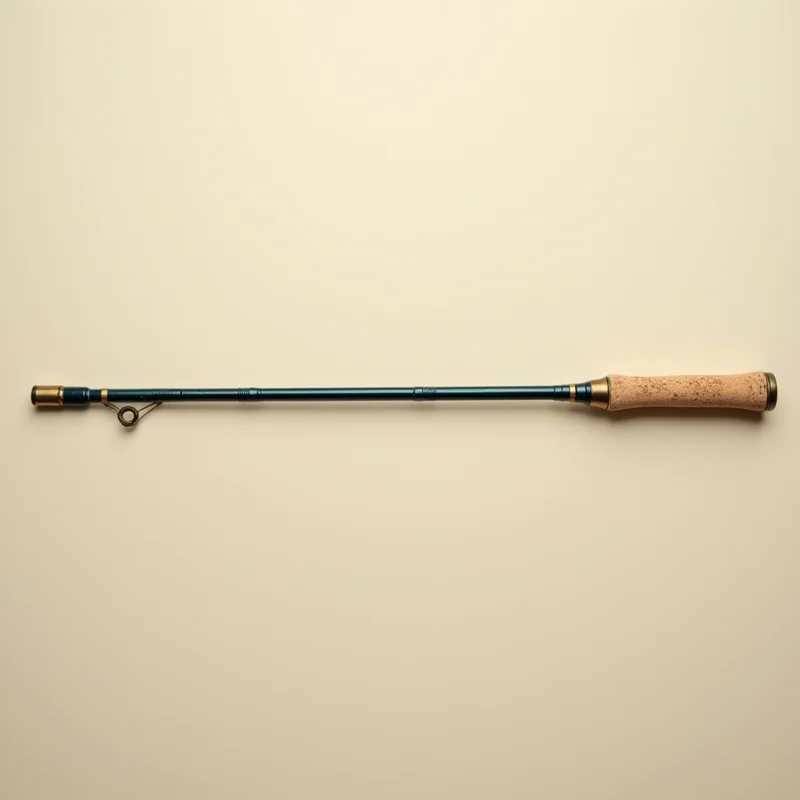
An 8-foot heavy musky stick that throws big rubber all day and still lets you finish a proper figure-eight boatside.
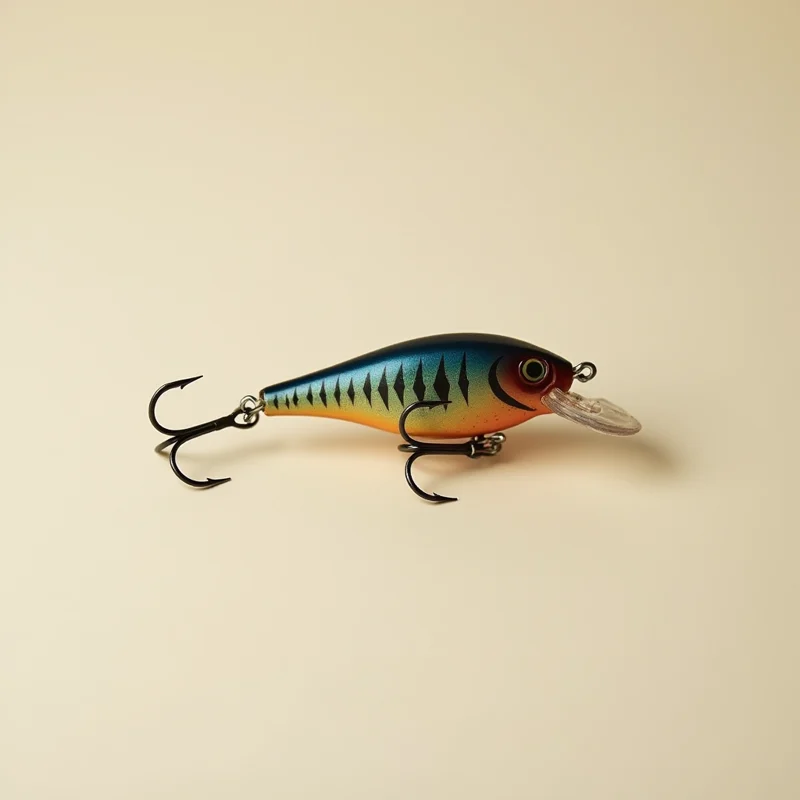
A single-blade inline bucktail that has caught muskies for sixty years and still gets bit on St. Clair every summer.
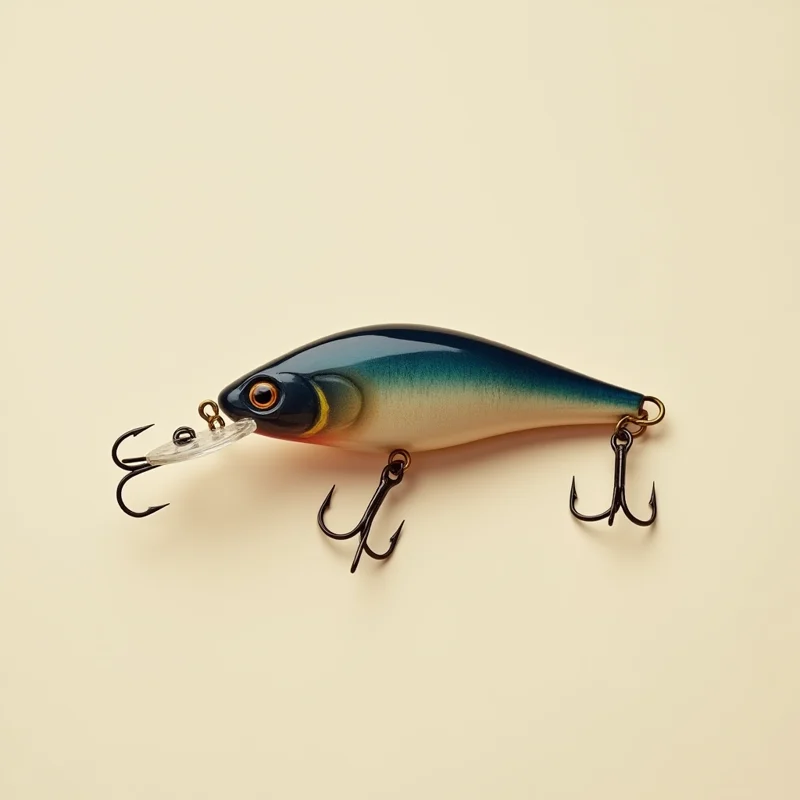
A big rubber bait with four independently moving tails that can be fished fast, slow, or as a slow-sinking glide.
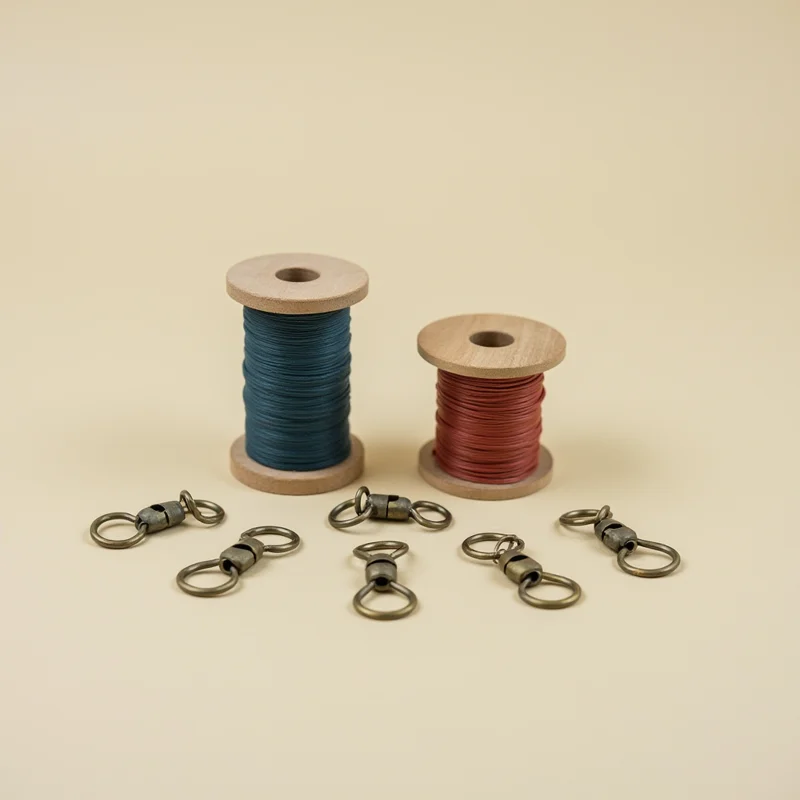
The leader that stands between a Lake St. Clair muskie's teeth and your line, in the fluorocarbon that clear water demands.
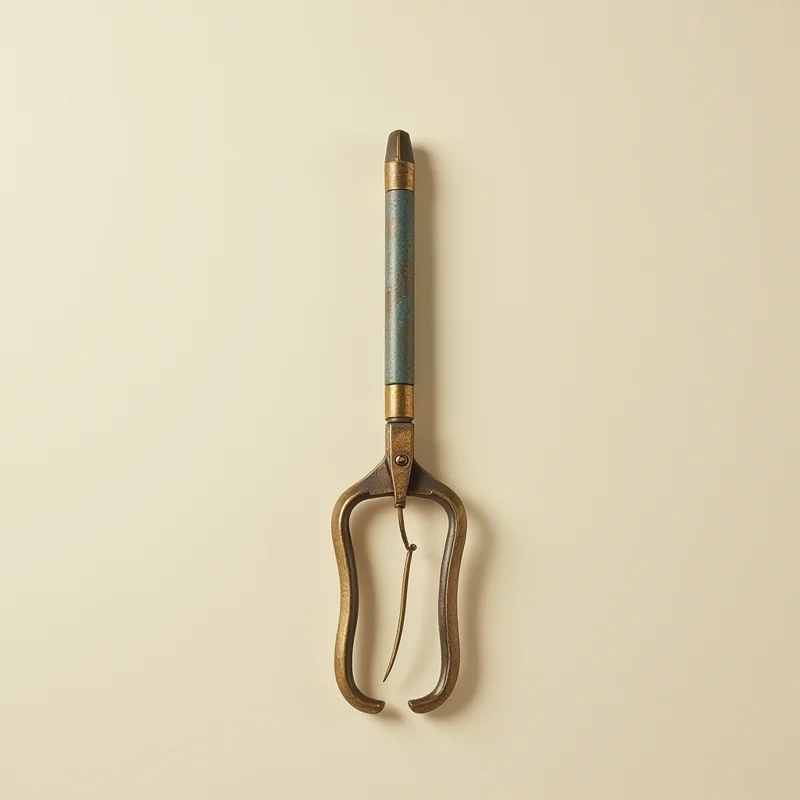
Eleven inches of stainless that reaches a hook past a pike's teeth without putting your hand in there, which is the entire product.
Questions
Same fish, other water
Size limits, bag limits, and open seasons for muskellunge on Lake Huron are set by Michigan DNR and change from year to year. Check the current rulebook before you keep a fish.
Sources
Last updated 2026-09-01