Chequamegon Bay, Ashland and Washburn
The shallow protected bay behind the Apostle Islands in Wisconsin. Warmer than anywhere on the lake, weedy, and the best pike water on Superior in both open water and winter.
Northern Pike · Lake Superior
Superior is too cold and too deep to be a pike lake, except in the handful of shallow bays and estuaries where it is a very good one. Fish Chequamegon Bay and the St. Louis River estuary — in open water in June, and on the ice in February.
Prime time
Late May through June, September and October, and February on ice
Depths
4–12 ft over cabbage and estuary weed; 12–18 ft on the outside edges in fall
Typical size
24–32 inches
Lake max depth
1,332 ft
Where
The shallow protected bay behind the Apostle Islands in Wisconsin. Warmer than anywhere on the lake, weedy, and the best pike water on Superior in both open water and winter.
A large freshwater estuary at the head of the lake with bays, backwaters and heavy weed growth. Warms weeks ahead of the big lake and holds pike year-round.
Michigan's eastern Superior corner near Brimley. Shallow, sheltered, weedy, and one of the better hard-water pike areas in the eastern Upper Peninsula.
The long protected bay on the west side of the Keweenaw Peninsula. Weed flats in the shallow south end, and a reliable winter fishery out of L'Anse.
Protected water inside Grand Island on Michigan's Pictured Rocks coast. Cabbage in 6–14 ft and shelter from a lake that offers very little of it.
How
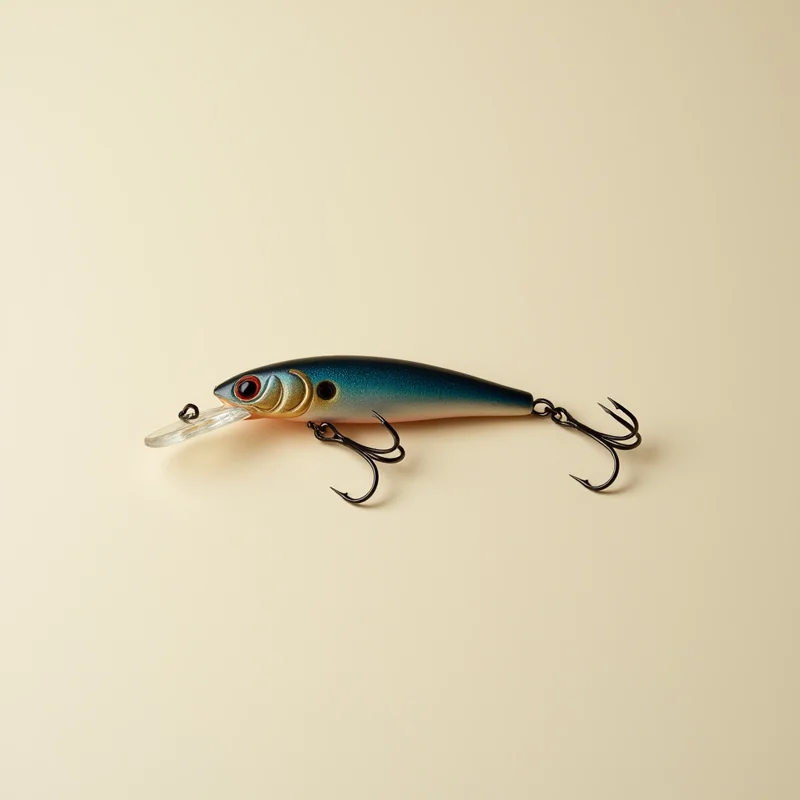
Late May through June in Chequamegon Bay and the St. Louis estuary, once the shallows reach the mid-50s. A 3/4 oz casting spoon or a large spinnerbait, worked over 4 to 10 feet of emerging cabbage. Superior's bays warm slowly — this bite starts three to four weeks later than the same pattern on Huron.
February and early March. Large dead smelt or suckers on quick-strike rigs, set a foot off bottom along weed edges in 6 to 14 feet. Chequamegon Bay and the L'Anse end of Keweenaw Bay both make good ice most winters, which is more than the open lake ever does.
The St. Louis River estuary is a maze of bays, channels and weed flats. Fish it like a river: pike sit on the slack side of any current break, weed point or channel edge. A large jerkbait or a swimbait on a 1/2 oz head covers it well in 5 to 12 feet.
September and October, over 12 to 18 feet as the cabbage dies back. Hard pulls and three-second pauses. Superior's bays cool fast in fall, and the window between good weed and cold water is short — do not put this trip off.
Lake Superior is 31,700 square miles and averages 483 feet deep. It holds ten percent of the world’s surface fresh water and it is cold enough, all year, that it functions more like an inland ocean than a lake. Nothing about the open water suits northern pike, which want warmth, shallow water and heavy vegetation.
But Superior has 2,726 miles of shoreline, and a handful of places along it — bays cut off enough from the main basin to warm up, and river estuaries that behave like their own small lakes — hold exactly the habitat pike need. Those places are very good. Everywhere else on this lake, you are not going to catch a pike, and there is no point pretending otherwise.
The best of them. Chequamegon Bay sits behind the Apostle Islands on the Wisconsin shore, between Ashland and Washburn, sheltered from the main lake by the Bayfield Peninsula and the islands. It is shallow, it grows cabbage, and it warms into the 60s and 70s in summer while the open lake outside stays in the 40s.
Open-water fishing is straightforward: a heavy casting spoon or a big spinnerbait worked over 4 to 10 feet of weed from late May onward. In winter it makes reliable ice and the tip-up fishery is a local institution.
At the far western end of the lake, the St. Louis River meets Superior at Duluth and Superior in a large freshwater estuary — a maze of bays, backwaters, channels and weed flats spread across thousands of acres.
It is the warmest water connected to Lake Superior and it fishes like a river system rather than a lake. Pike hold on the slack side of current breaks, weed points and channel edges. Fish a jerkbait or a swimbait through those spots in 5 to 12 feet.
The estuary’s other advantage is that it is protected. On a day when Superior is out of the question — and Superior is out of the question often — the estuary is still fishable in a small boat.
Waiska Bay near Brimley, at the eastern end in Whitefish Bay, is shallow and sheltered and produces well, particularly through the ice. Keweenaw Bay, the long protected arm on the west side of the Keweenaw Peninsula, has weed flats at the L’Anse and Baraga end and a solid winter fishery. Munising Bay and South Bay inside Grand Island give you cabbage in 6 to 14 feet with shelter from the Pictured Rocks coast, which offers almost none.
This is the practical difference between Superior and the rest of the chain. Superior’s bays warm three to four weeks behind Huron’s or St. Clair’s. The shallow-weed casting bite that starts in early May on Saginaw Bay may not start until June here. Weed growth comes up late.
Fall comes early to match. By late October the bays are cooling fast and the window closes. If you are planning one Superior pike trip, June and early September are the two safest bets.
The bays make ice. The lake does not, in any way you should trust. Chequamegon Bay and the L’Anse end of Keweenaw Bay both freeze reliably enough to support a serious tip-up fishery, and February is genuinely the best pike fishing of the Superior year.
It is also the coldest fishing on this site. Air temperatures well below zero are routine in Ashland or L’Anse in February, and the wind off a large open bay makes it worse. Dress for genuine cold, not for a bad day — insulated bibs, a real parka, and gloves you can work a tip-up in.
Ice safety rules do not relax because the ice is thick: current local report, picks around your neck, a partner, and a hard rule about staying away from any channel or river mouth with current under it. The St. Louis estuary in particular has moving water under much of its ice.
If any part of your trip takes you onto the open lake — the run from Bayfield out past the Apostles, or the Pictured Rocks coast — treat it as the serious water it is. Superior is 1,332 feet deep, cold enough that immersion time is measured in minutes, and capable of building a heavy sea with little warning. A VHF, a float coat, and a real look at the forecast are the minimum.
Minnesota, Wisconsin and Michigan each manage their portion of Lake Superior and set their own pike rules, which have differed from inland waters and from each other. They change. Read the current guide for the state whose water you are on.
Where to put in
Dark marks are launches named in this guide. Generalized shoreline, not for navigation.
Kit
The pier spoon. A heavy, wobbling casting spoon that has caught fall salmon and spring steelhead off Great Lakes breakwalls for sixty years.
The wooden tip-up that has been catching Great Lakes pike since the 1940s, with a sealed underwater spool that does not freeze up at fifteen below.
A jacket-and-bib set with buoyant flotation foam built in, so going through the ice becomes a survivable problem instead of a fatal one.
The leader that stands between a Lake St. Clair muskie's teeth and your line, in the fluorocarbon that clear water demands.
Two steel awls on a cord around your neck. The cheapest piece of gear that has ever saved a Great Lakes angler's life, and the most commonly skipped.
Questions
Same fish, other water
Size limits, bag limits, and open seasons for northern pike on Lake Superior are set by Michigan DNR, Wisconsin DNR and Minnesota DNR and change from year to year. Check the current rulebook before you keep a fish.
Sources
Last updated 2026-09-01