The St. Clair Flats delta channels
The North, Middle and South channels behind Harsens Island and Dickinson Island. Current, marsh edges and weed points — the best pike water on the lake and the least fished.
Northern Pike · Lake St. Clair
St. Clair pike are the fish nobody drives here for, which is why they get so little pressure on a lake famous for muskie and smallmouth. The St. Clair Flats delta and Anchor Bay hold good numbers in water shallow enough to fish from a kayak.
Prime time
Late April through June, September through November, and January into February on Anchor Bay ice
Depths
4–12 ft over cabbage, marsh edges and delta channel breaks
Typical size
24–32 inches
Lake max depth
27 ft
Where
The North, Middle and South channels behind Harsens Island and Dickinson Island. Current, marsh edges and weed points — the best pike water on the lake and the least fished.
The shallow northeast corner off New Baltimore and Fair Haven. Cabbage in 6–12 ft, warms first in spring, and the center of the winter tip-up fishery.
Protected water behind the delta islands. Heavy weed growth and a reliable fallback when wind shuts down the open flats.
The dredged channel at Harrison Township. Deeper water tight to a launch, and a consistent early-ice and late-fall spot.
Shallow backwater that warms three to six degrees ahead of the lake. April pike stack in here before anything else on the lake turns on, and it is fishable from the bank.
How
Late April through June and again in fall, over 4 to 12 feet in Anchor Bay and the delta. A 3/4 oz casting spoon or a big spinnerbait retrieved just fast enough to stay above the weed tops. In gin-clear St. Clair water, silver, gold and natural patterns beat the bright colors that work on stained Saginaw Bay.
The best pike pattern on the lake and the one almost nobody uses. Cast to the slack water behind every island point, weed corner and channel bend in the North, Middle and South channels, and swim the bait through the seam. Fish sit in the eddy and take what the current brings past.
January and February, over 6 to 12 feet along a weed edge. Large dead smelt or suckers on quick-strike rigs, set a foot off bottom. Spread flags across a depth range first, then move them all onto whatever depth produces. Quick-strike rigs hook fish in the jaw rather than the throat, which is what makes a clean release possible.
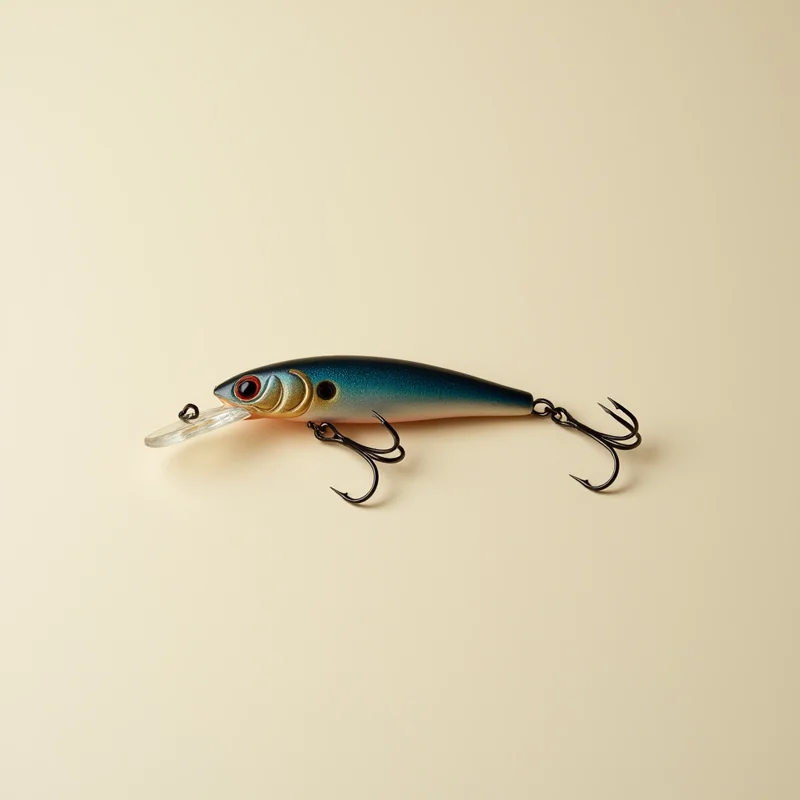
October and November as the cabbage lays down, over 10 to 16 feet. A large jerkbait with hard pulls and three-second pauses, or a swimbait on a 1/2 oz head. Cold-water pike will follow a long way and eat when the bait stops moving.
Lake St. Clair is famous for two things: the densest muskellunge population in North America, and smallmouth bass big enough to win a national tournament. Pike are the third fish on a lake with only two headline acts, and the result is a solid population that gets almost no directed pressure.
That is the whole argument for this page. On a Saturday in June, the Mile Roads grass flats will be full of bass boats and muskie trollers. The delta channels behind Harsens Island will have nobody in them.
The St. Clair Flats — the delta where the St. Clair River fans out into the lake at the north end — is the largest freshwater delta in the Great Lakes. It is a maze of channels, marsh, islands and weed beds with current running through all of it.
For pike, that is close to perfect. They are ambush predators, and current gives them a conveyor belt of food to ambush. Every island point, every bend in the North, Middle or South Channel, every weed corner where the flow breaks, holds a slack pocket with a fish in it.
Fish it deliberately. Cast into the moving water, swim the bait across into the slack, and be ready at the transition. This is a tighter, more targeted game than throwing spoons over open cabbage, and it is more productive.
The northeast corner of the lake off New Baltimore and Fair Haven is the other open-water area. Six to twelve feet of water over sand and cabbage, protected by the delta islands, and the first part of the lake to warm in spring.
The method is a heavy casting spoon or a big spinnerbait worked over the weed tops. One St. Clair-specific adjustment: the water here is genuinely clear over grass, unlike the stained inner Saginaw Bay where bright colors rule. Silver, gold and natural patterns are the better choice.
You are fishing a lake with the highest muskellunge density on the continent, with tackle intended for pike. Two consequences.
First, use a leader that will hold a muskie — 100 lb test, wire or heavy fluorocarbon. A leader sized for a 28-inch pike parts on a 48-inch muskie, and you lose both the fish and the bait, and the fish swims off with hooks in it.
Second, learn to tell them apart before you put one in the box. A northern pike has light bean-shaped spots on a dark body and full scale coverage on the cheek. A muskellunge has dark bars or spots on a lighter body and scales only on the upper half of the cheek. The seasons and size rules are not the same for the two species, and “I thought it was a pike” is not a defense.
April is the overlooked window. The Salt River, the Clinton River and the canal systems around Fair Haven warm several degrees ahead of the open lake, and pike move into them early. Four to eight feet of water, fishable from the bank, weeks before anyone launches a boat on the main lake.
Anchor Bay makes the lake’s most reliable ice, and the tip-up fishery there is good. Large dead baits on quick-strike rigs, set a foot off bottom along a weed edge in 6 to 12 feet. Spread flags across depths first, then consolidate.
Quick-strike rigs are worth insisting on. They set hooks in the jaw rather than the throat, which is the difference between a pike you can release and one that will not survive.
This is the part that matters most. Lake St. Clair has current running through it constantly, from the delta at the north end to the Detroit River at the southwest corner, and that current runs under the ice. It thins ice unevenly, opens pressure cracks, and — when the wind gets under a sheet — floats sections away from shore with people on them. It has happened repeatedly.
Get a current local report from someone who was out that day. Ice picks around your neck, not in the sled. A partner. A spud bar. Stay well away from the delta channel mouths and anywhere else with visible current. And do not drive a vehicle out because somebody else did.
Eleven feet of average depth on a nearly round lake means every wind has fetch and there is no lee shore. A 20-knot afternoon builds a steep chop with no deep water to absorb it. Add heavy summer recreational traffic off metro Detroit and a working freighter channel through the middle, and a small boat or a kayak needs a plan, not just a forecast.
Michigan and Ontario each manage portions of Lake St. Clair and set their own pike seasons, sizes and possession rules. They change. Read the current guide from the agency whose water you are on.
Where to put in
Dark marks are launches named in this guide. Generalized shoreline, not for navigation.
Kit
The pier spoon. A heavy, wobbling casting spoon that has caught fall salmon and spring steelhead off Great Lakes breakwalls for sixty years.
The wooden tip-up that has been catching Great Lakes pike since the 1940s, with a sealed underwater spool that does not freeze up at fifteen below.
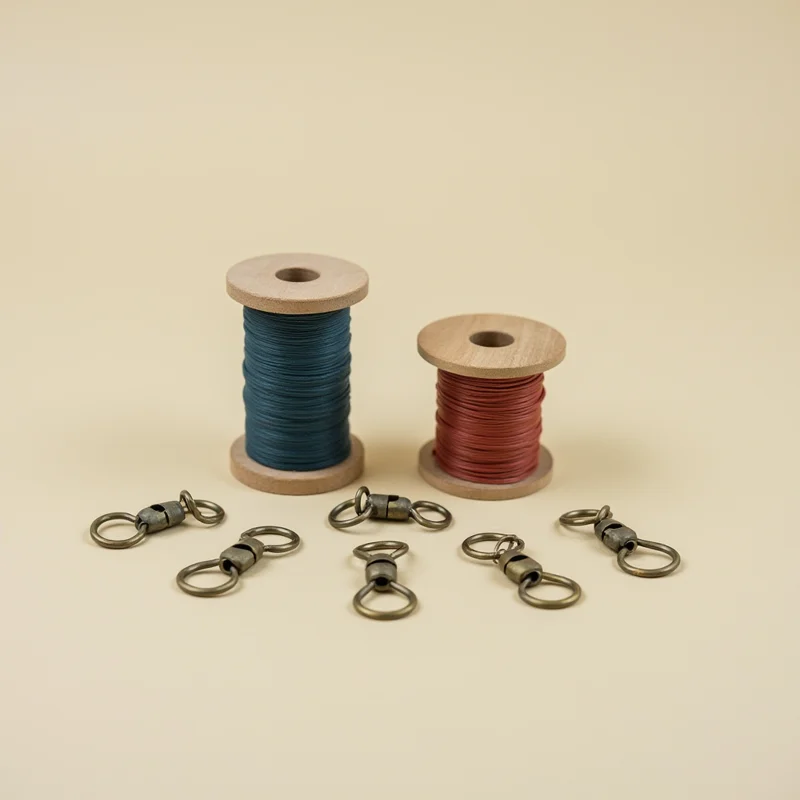
The leader that stands between a Lake St. Clair muskie's teeth and your line, in the fluorocarbon that clear water demands.
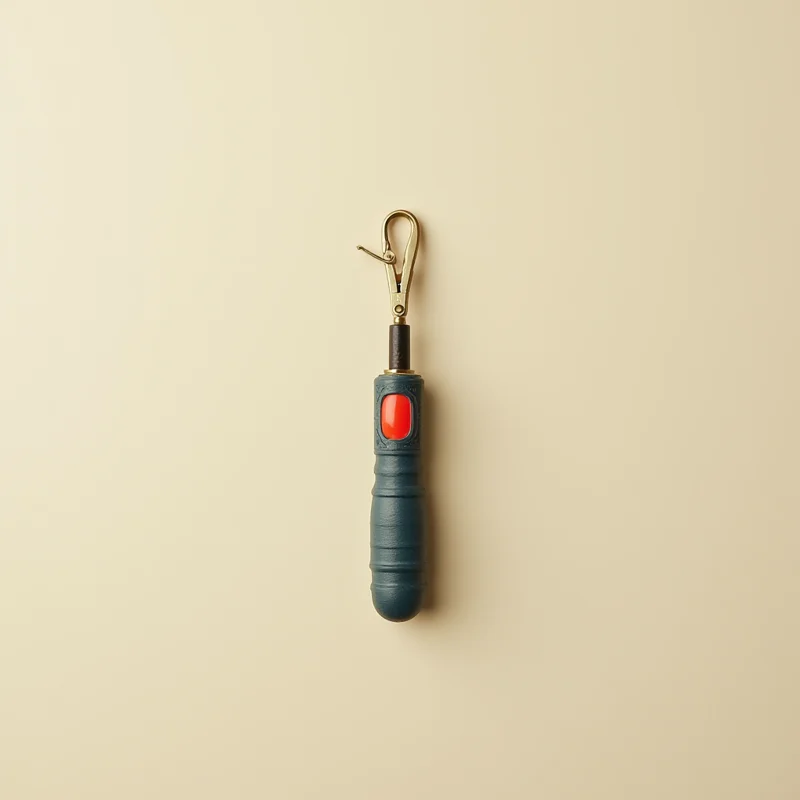
Two steel awls on a cord around your neck. The cheapest piece of gear that has ever saved a Great Lakes angler's life, and the most commonly skipped.
A knotless, rubber-coated net that does not strip slime or tangle trebles, in a hoop size that actually fits a Great Lakes fish.
Questions
Same fish, other water
Size limits, bag limits, and open seasons for northern pike on Lake St. Clair are set by Michigan DNR and change from year to year. Check the current rulebook before you keep a fish.
Sources
Last updated 2026-09-01