Anchor Bay
The shallow northeast corner off New Baltimore and Fair Haven. The heart of the winter perch fishery and consistently the first part of the lake to make safe ice.
Yellow Perch · Lake St. Clair
St. Clair perch fishing is an Anchor Bay winter fishery first and a summer flats fishery second, and it is the easiest big-water perch access in Michigan. Eleven feet of average depth means you can be on fish inside ten minutes of the ramp.
Prime time
January through early March on ice; July through October open water
Depths
6–14 ft over sand, grass edges and old dredge cuts
Typical size
8–11 inches
Lake max depth
27 ft
Where
The shallow northeast corner off New Baltimore and Fair Haven. The heart of the winter perch fishery and consistently the first part of the lake to make safe ice.
Behind the delta islands at the north end. Protected, weedy, and holds perch through summer along the outside edges of the cabbage in 8–12 ft.
The grass flats between roughly 9 Mile and 14 Mile. Summer perch relate to the sand holes inside the weed beds rather than to the weed itself.
The dredged spillway channel at Harrison Township. Deeper water close to a launch, and a reliable early-ice and late-fall spot.
Shallow, warms first in spring, and the canals here hold perch in April before the open lake turns on.
Public access on the west shore with fishable water from the pier and the marsh channels. The best shore option on the lake.
How
January and February over 6 to 12 feet in Anchor Bay. A 1/16 oz spoon or a small tungsten jig tipped with a minnow head or a couple of waxworms. Pound the bottom to kick up silt, then lift eight inches and hold dead-still. Perch here commit to a stationary bait far more often than a moving one.
July through October. Two hooks, a 1 oz sinker, live minnows, dropped into the clean sand openings inside the grass in 8 to 14 feet. Anchor rather than drift — the openings are small and a drift takes you out of them in seconds.
A 1/16 oz jig with a 2-inch plastic minnow, cast to the outside grass line and swum back with a slow lift. Works well in the clear water St. Clair is known for, and it eliminates the minnow bucket. Best in the first two hours of light.
April, before the lake warms. The Salt River, the Clinton River and the Fair Haven canal system warm three to six degrees ahead of the open lake and stack perch. A small jig under a slip float, set to sit a foot off bottom, is all it takes.
Lake St. Clair averages eleven feet deep. Its maximum natural depth is 27 feet, and the only water deeper than that is the dredged shipping channel cut straight through the middle. For a perch angler, this is close to ideal: there is no deep water for fish to disappear into, no thermocline to solve, and no long run required to reach them.
It also means the whole lake is affected by wind, sun and weather simultaneously. A three-day warm spell in February changes the ice everywhere at once. A hard northeast blow pushes stained water across the entire east side. There is no sheltered deep zone that stays constant.
Anchor Bay is where St. Clair perch fishing happens. It is the shallow northeast corner, protected by the St. Clair delta islands, out of New Baltimore and Fair Haven. It makes ice earlier than the rest of the lake and holds it longer, and in a good January the shanty town out there is a small city.
The fishing is simple and the presentation matters more than the location. Six to twelve feet of water. A small spoon or tungsten jig with a minnow head. The key move is to pound the bottom first — the silt cloud draws perch in from a surprising distance — then lift the bait eight inches and stop moving it entirely. St. Clair perch inspect a bait and then take it. They do not chase.
Bring a flasher. In shallow water you will watch fish rise to the bait and refuse it, and you cannot correct what you cannot see.
This is the part of the page that matters more than the fishing advice. Lake St. Clair has current. The St. Clair River delta pours in at the north and the whole lake drains into the Detroit River at the southwest corner, so water is always moving under the ice. That thins ice unevenly, opens pressure cracks, and — when a wind gets under a sheet — floats sections of ice away from shore with people on them. It has happened repeatedly.
Rules: current local report, never a guess. Ice picks around your neck, not in the sled. A partner. A spud bar to test as you walk. Do not drive a vehicle out because you saw someone else do it. And know which way the wind is going to blow in the afternoon.
From July into October, perch spread across the grass flats. The critical detail is that they do not live in the cabbage — they live in the clean sand openings inside and along the edge of it, in 8 to 14 feet. Those openings are small, sometimes only a boat length across, which is why anchoring beats drifting here. Find one on the sonar or with polarized glasses in the gin-clear water St. Clair is known for, anchor on it, and fish a spreader rig straight down.
An alternative that suits the clear water: a 1/16 oz jig with a small plastic, cast to the weed edge and swum back with a slow lift. First and last light are noticeably better than midday, for the same reason the walleye fishing here is a night game.
April is a quiet, overlooked window. The Salt River, the Clinton River and the canal systems around Fair Haven warm several degrees ahead of the open lake, and perch pile into them. A small jig under a slip float, set to hang a foot off bottom, in four to eight feet of water. It is bank fishing, it costs nothing, and it happens weeks before anyone launches a boat.
St. Clair sits on the edge of metro Detroit. On a summer Saturday the Mile Roads carry heavy recreational traffic, and Anchor Bay in a good ice week is packed. That affects the fishing — a pressured perch school breaks up — and it affects the navigation. Weekday mornings are a genuinely different lake.
Michigan manages Lake St. Clair, and its perch rules have differed from the state’s inland waters at times. Limits and any seasonal restrictions are revised. Check the current Michigan DNR guide before your trip.
Where to put in
Dark marks are launches named in this guide. Generalized shoreline, not for navigation.
Kit
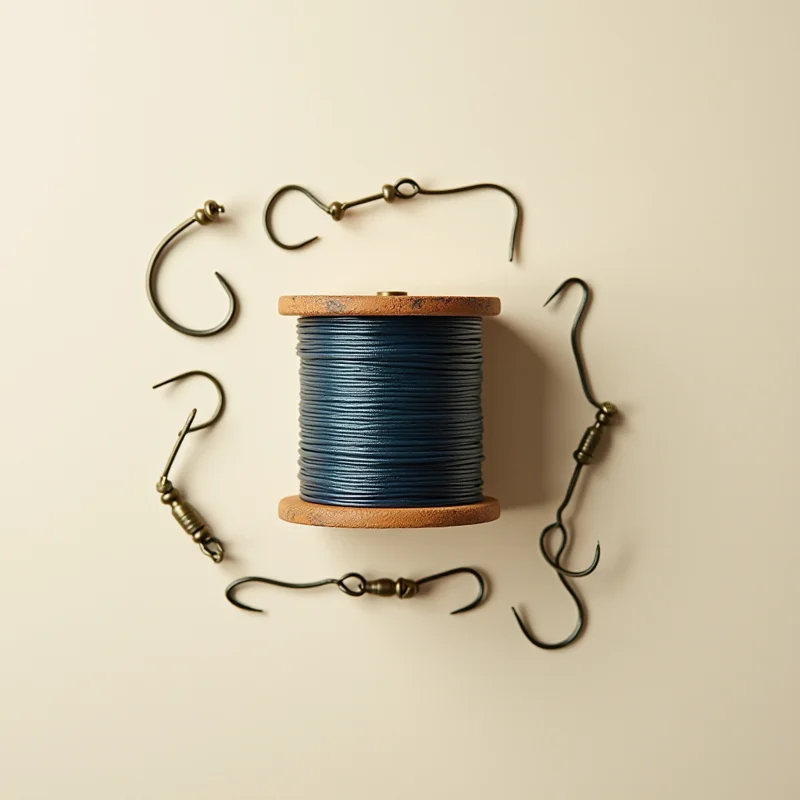
Two hooks held apart on a wire spreader so a pair of minnows fish clean above a sinker — the standard perch rig from Sandusky Bay to the Milwaukee piers.
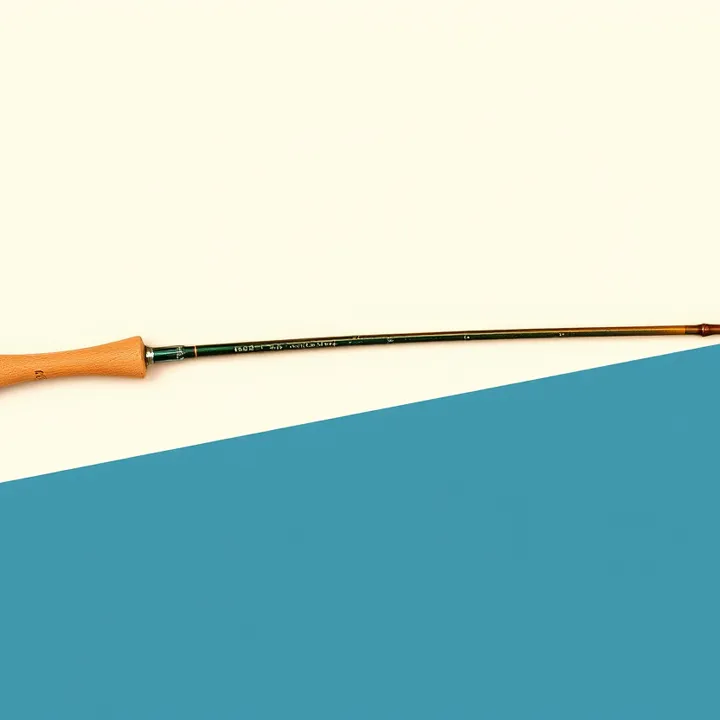
The ice rod that made a soft, evenly-loading tip standard — it shows you perch bites you would otherwise never feel.
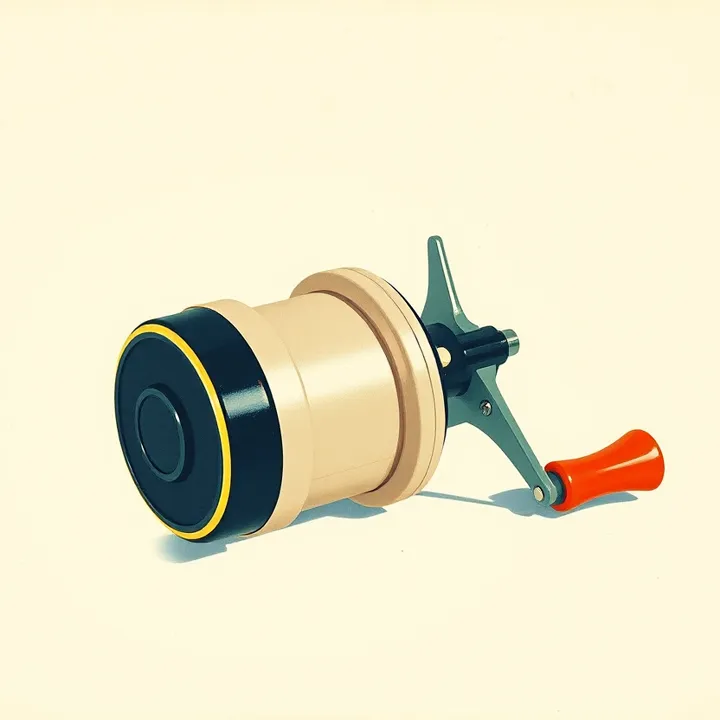
An inline ice reel that drops a jig straight down without spinning it, which is the difference between a bite and a look.
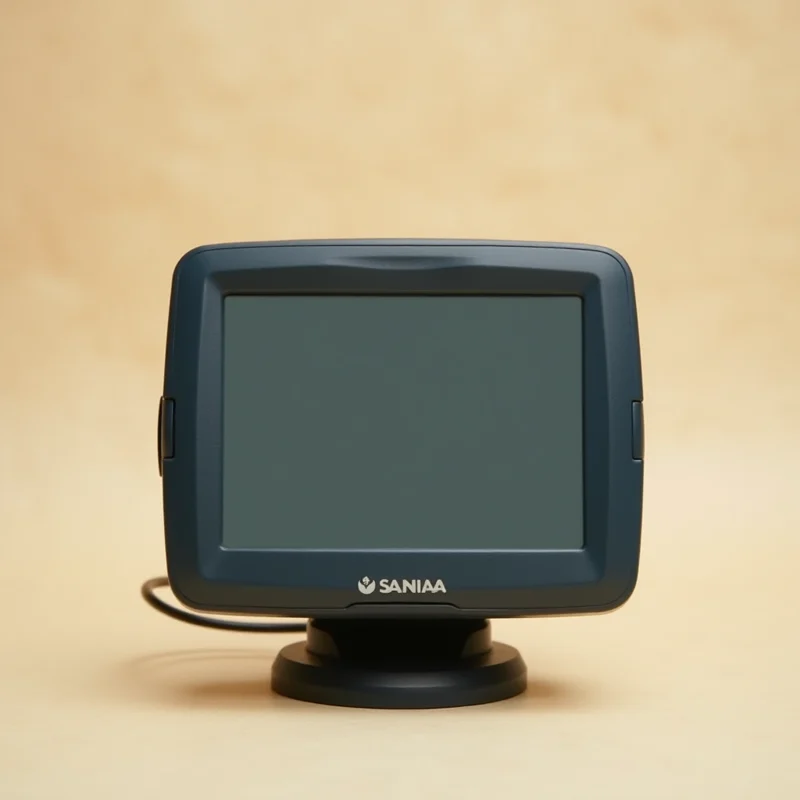
The ice flasher that has been the standard for thirty years — zero lag, and it shows your jig and the fish coming to it.
Two steel awls on a cord around your neck. The cheapest piece of gear that has ever saved a Great Lakes angler's life, and the most commonly skipped.
Questions
Same fish, other water
Size limits, bag limits, and open seasons for yellow perch on Lake St. Clair are set by Michigan DNR and change from year to year. Check the current rulebook before you keep a fish.
Sources
Last updated 2026-09-01