Chequamegon Bay, Ashland and Washburn
The warmest, shallowest water on Lake Superior and the most reliable brown trout area on the lake. Fishable from a small boat and from shore, and it warms weeks before anything else.
Brown Trout · Lake Superior
Brown trout are a niche fish on Lake Superior, concentrated in the few places warm enough to suit them: Chequamegon Bay, the Duluth and Superior harbor entries, and the water off a handful of tributaries. Where they do exist they are catchable from shore and from a small boat in shallow water.
Prime time
April through early June, with a fall window in October and November near river mouths
Depths
4–20 ft over 6–30 ft of water
Typical size
4–10 lb
Lake max depth
1,332 ft
Where
The warmest, shallowest water on Lake Superior and the most reliable brown trout area on the lake. Fishable from a small boat and from shore, and it warms weeks before anything else.
Warm harbor water and river outflow from the St. Louis River pull browns to the ship canal and the piers in spring.
Wisconsin's spring-fed river holds a brown trout population and fish move between the river and the near-shore lake water in spring and fall.
Small warm plumes on a cold coast. Browns hold in the stained water on the seam after spring rain.
The warmest corner of Michigan's Superior shoreline, shallow enough to hold browns near the river plume in spring.
How
In Chequamegon Bay and off the harbor entries, run 3 to 4 inch minnow baits 60 to 150 feet behind side planers in 6 to 18 feet of water at 1.8 to 2.2 mph. Gold and black-silver in the stained bay water. Keep the boat off the fish.
The Duluth ship canal piers, the Superior entry and the Ashland shoreline all produce browns to shore casters in April and May. Throw a half-ounce spoon or a floating minnow bait at first and last light and work the current seam.
A warm spring rain sends stained runoff out of the Brule, Sucker, Lester and Tahquamenon. That plume can be 6 to 10 degrees warmer than the lake, which on Superior is the difference between 40 and 50 degrees. Fish the seam of the plume, not its middle.
Superior browns in 42 to 48 degree water do not chase. Slow to 1.6 to 1.9 mph, use smaller baits, and give a longer lead. If the fish are following and not committing, drop speed rather than change color.
Brown trout prefer 48 to 58 degrees. Lake Superior’s open water rarely reaches the low end of that and spends most of the year well below it. The result is a brown trout population that exists only where Superior stops behaving like Superior: shallow protected bays, harbor basins fed by rivers, and warm plumes at tributary mouths.
That constraint makes the fishery unusually easy to locate. You are not searching 31,700 square miles. You are fishing Chequamegon Bay, the Duluth-Superior harbor entries, and a short list of river mouths.
Ashland’s bay is the anomaly on this lake — shallow, sheltered by the Bayfield Peninsula and the Apostles, and warming into the 50s in May while the open lake is still in the low 40s. It holds browns, splake, smallmouth and, in winter, one of the best ice fisheries in Wisconsin.
For brown trout, fish the shoreline shallows in April and May in 6 to 18 feet. The water carries color, which relaxes the fish and lets you get closer than you could in Superior’s usual 25-foot visibility. Gold and black-silver stickbaits on planer boards at 1.8 to 2.2 mph is the whole program.
The St. Louis River system pushes warmer water through the Duluth and Superior entries, and browns use it. The ship canal piers, the entry channels, and the shoreline immediately outside them all produce fish from April into June. This is genuinely shore-accessible — a spinning rod, a half-ounce spoon and a walk out the pier at dawn.
After a warm spring rain, tributaries on both shores dump stained runoff into the lake. On a coast where the lake is 40 degrees, that plume can be 50. Browns pile into the seam.
The important detail is to fish the edge rather than the middle. Warm dirty water holds the bait; the seam is where a predator can see it. Troll along the color line with one board in the stain and one in the clear and let the fish tell you which side.
Everything on Superior happens at colder temperatures than the equivalent fishery downstream. A brown that would chase a bait at 2.4 mph on Lake Michigan in April will follow and refuse at 42 degrees here. Drop to 1.6 to 1.9 mph, shrink the bait, and lengthen the lead before you start changing colors.
This is a shallow-water, near-shore fishery, and that lulls people. Superior is cold enough to be an immersion hazard in every month of the year — surface temperatures in the low 40s in June are normal, and cold shock is immediate. Wear a float coat or an inflatable. On the piers, wave wash over concrete in a northeast wind puts people in the water every year, and in this lake that is a survival problem measured in minutes.
Chequamegon Bay is also one of the better ice fisheries in Wisconsin, and the same shallow water that holds browns in April holds splake, perch and pike in February. That matters for planning: the bay opens up weeks before the rest of the lake, and the first open-water week after ice-out — often late March or early April depending on the year — is when the browns are most concentrated and least pressured. Watch the ice reports rather than the calendar.
Where to put in
Dark marks are launches named in this guide. Generalized shoreline, not for navigation.
Kit
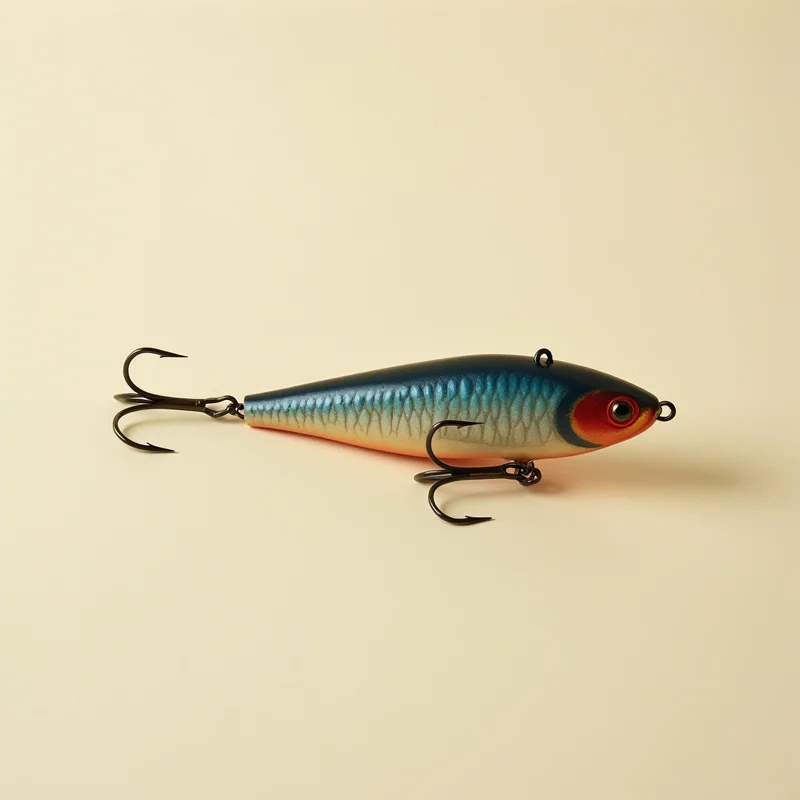
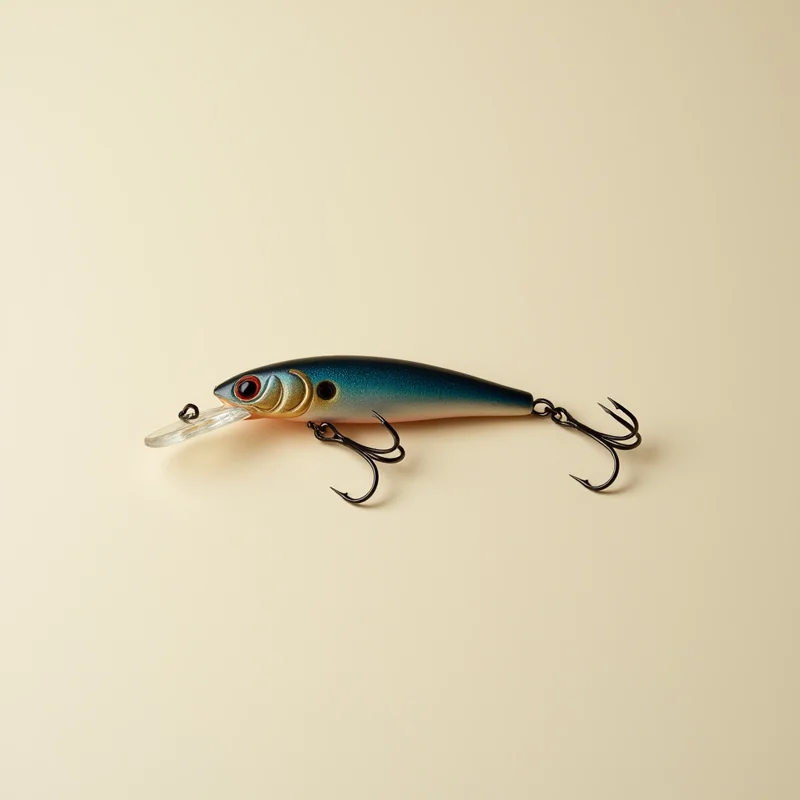
A suspending jerkbait that hangs motionless between twitches — the cold-water bait for walleye, smallmouth and browns.
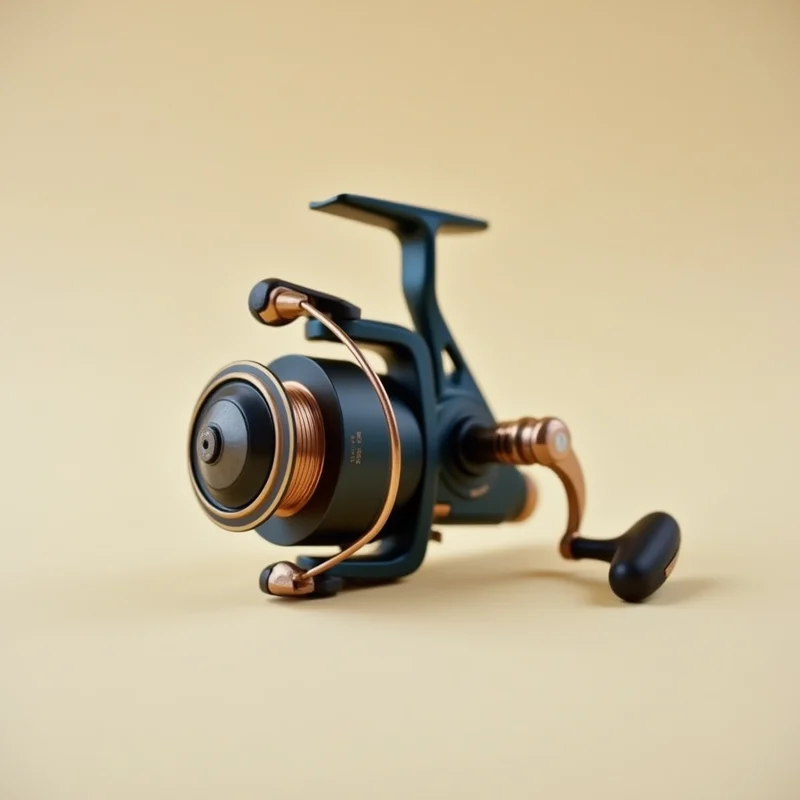
The best spinning reel under $80 by a wide margin, and the correct first real reel for a Great Lakes angler.
The other standard in-line board — slightly larger, pulls heavier loads, and handles copper and lead core better than most.
The pier spoon. A heavy, wobbling casting spoon that has caught fall salmon and spring steelhead off Great Lakes breakwalls for sixty years.
A Coast Guard approved coat you will actually wear, which is the only meaningful difference between a PFD that saves you and one stowed under a seat.
Questions
Same fish, other water
Size limits, bag limits, and open seasons for brown trout on Lake Superior are set by Michigan DNR, Wisconsin DNR and Minnesota DNR and change from year to year. Check the current rulebook before you keep a fish.
Sources
Last updated 2026-09-01