Milwaukee harbor and the Milwaukee River mouth
Warm discharge and a big protected harbor put browns within a mile of downtown from March on. The outer harbor walls fish well from a boat and from shore.
Brown Trout · Lake Michigan
Lake Michigan brown trout are a shallow-water, cold-weather fishery and the Wisconsin shore from Racine to Algoma is the heart of it. From ice-out through May, browns hold inside 20 feet along the harbors and river mouths, catchable from a small boat or a pier.
Prime time
March through May, with a second window from October into December near harbors and river mouths
Depths
5–25 ft over 8–35 ft of water
Typical size
4–10 lb
Lake max depth
925 ft
Where
Warm discharge and a big protected harbor put browns within a mile of downtown from March on. The outer harbor walls fish well from a boat and from shore.
Classic Wisconsin brown water. Troll the 10 to 25 foot band along the shoreline in April, working out from the harbor entries.
The Root warms early and pulls browns into the harbor and the shoreline just north and south of it.
Northern Wisconsin ports with heavy brown stocking and good spring shoreline trolling in 8 to 20 feet.
On the Michigan side, the harbor channels and the shoreline near the Grand and Muskegon river mouths hold browns in spring and again in late fall.
Southern Michigan harbors warm first. Browns are in the piers and the near-shore band before anything else is happening on the lake.
How
Run 3 to 5 inch minnow baits 60 to 150 feet behind side planers in 8 to 20 feet of water at 1.8 to 2.4 mph. Keep the boards wide — a hull passing over a brown in 12 feet of clear water ends that pass. Gold, black-silver, and blue-chrome patterns.
In March and April the only water in the 44 to 52 degree range is near harbors, warm discharges and river mouths. Troll the seam where stained water meets clear. Two degrees concentrates fish for a half mile — use a surface temperature gauge more than the sonar.
The Milwaukee, Racine, Sheboygan and St. Joseph piers all produce browns to shore casters in early spring and again in November. Throw a half-ounce spoon or a floating minnow bait at first light and last light, working the corner where the channel current meets the lake.
When fish hold a little deeper or refuse a stickbait, a small spoon 40 feet behind a one-ounce snap weight and 40 more feet to a board runs about 8 to 12 feet down. Useful in May as the shallow water warms past 55 degrees.
Lake Michigan’s calendar is built around salmon, and salmon do not start in March. Brown trout do. As soon as the harbors open up, browns are in the shallow near-shore band on the Wisconsin side, and a boat that would be useless offshore in July is entirely adequate in April in 14 feet of water.
Wisconsin stocks browns hard along its shoreline from Racine to Algoma, and the combination of warm harbor discharges, river mouths and a shallow shelf keeps them accessible. Eight- to twelve-pound fish are realistic; larger ones come out every spring.
Brown trout want 48 to 58 degrees and will tolerate colder. In late March the open lake is around 38. The only qualifying water is near the beach where sun warms a shallow shelf, in a harbor, or in a river plume. Every good spring brown program on this lake is built on locating a two- to six-degree temperature edge and fishing along it.
The Milwaukee River mouth, the Root at Racine, the Sheboygan, the Kewaunee, the Grand and Muskegon on the Michigan side — all of them dump warmer, stained water onto a cold lake in spring. Find the color line and troll it lengthwise.
The most common failure is running the boat through the water you intend to fish. Browns in ten to twenty feet of clear water spook off a hull. Planer boards are not optional; run them 60 to 100 feet outside the boat with the bait another 60 to 150 feet behind. That geometry is the whole difference between a good day and a blank one.
Speed 1.8 to 2.4 mph. Small minnow baits and small spoons. Gold and black-silver in stained water, blue-chrome and natural in clear.
This is one of the few Great Lakes trophy fisheries genuinely available from shore. The Milwaukee harbor walls, the Racine pier, the Sheboygan north pier and the St. Joseph piers all put a shore angler within casting distance of browns in April and again in November. Throw a floating minnow bait or a half-ounce spoon at first and last light, and work the seam where channel current meets the lake.
October through December browns move back toward harbors and river mouths ahead of spawning. Fish are heavier and more aggressive, and there is nobody on the water. It is cold, occasionally miserable, and the best chance of the year at a big fish from a pier.
Lake Ontario is the better brown trout lake — the Niagara Bar in April produces larger average fish than anything on Lake Michigan. What Lake Michigan offers is scale and access: hundreds of miles of stocked shoreline, dozens of harbors, and piers that put fish within reach of anyone with a spinning rod and a jacket. If you live in Milwaukee or Chicago, this is your April.
March and April water on Lake Michigan is 36 to 45 degrees. Immersion is survivable for minutes, not hours, and spring wind on this lake shifts hard and fast in the afternoon. Wear an inflatable PFD, keep a handheld VHF aboard, and treat a shallow-water fishery as no excuse for skipping either. On the piers, watch for ice on the concrete and for wave wash on a breakwall — people go in off Great Lakes piers every year.
Where to put in
Dark marks are launches named in this guide. Generalized shoreline, not for navigation.
Kit
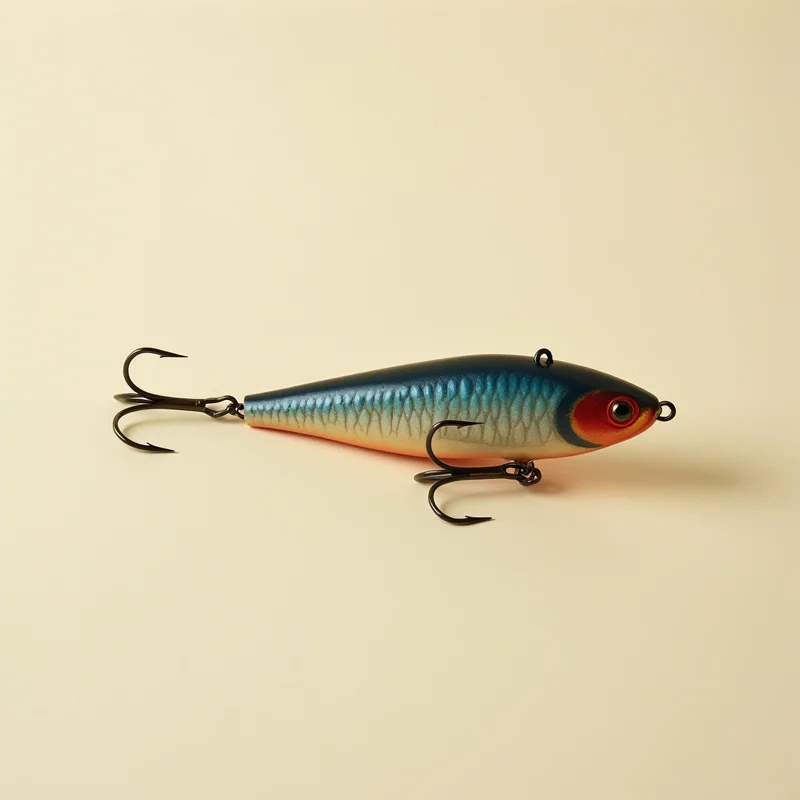
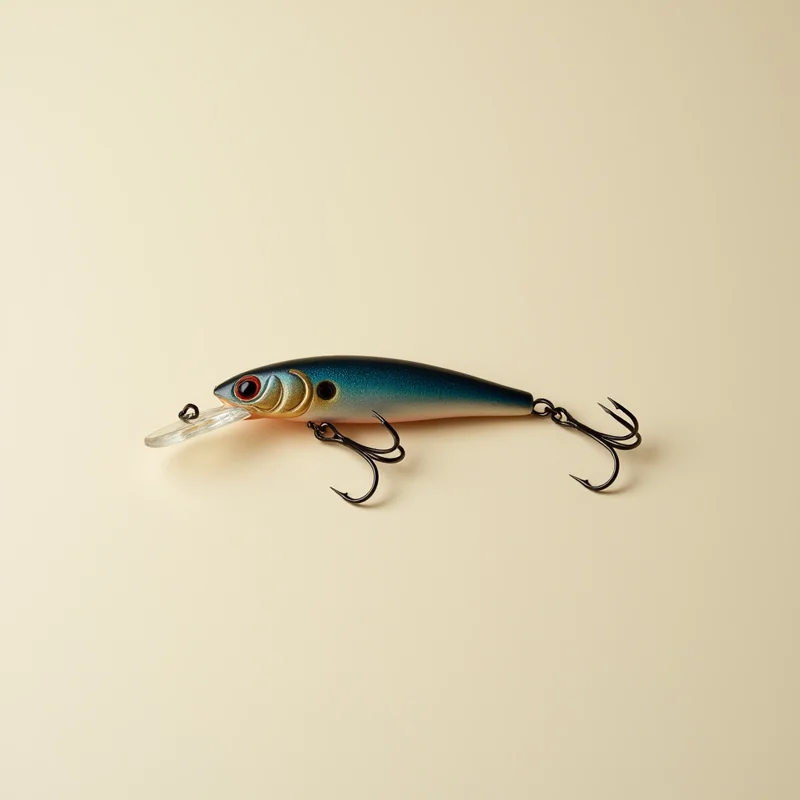
A suspending jerkbait that hangs motionless between twitches — the cold-water bait for walleye, smallmouth and browns.
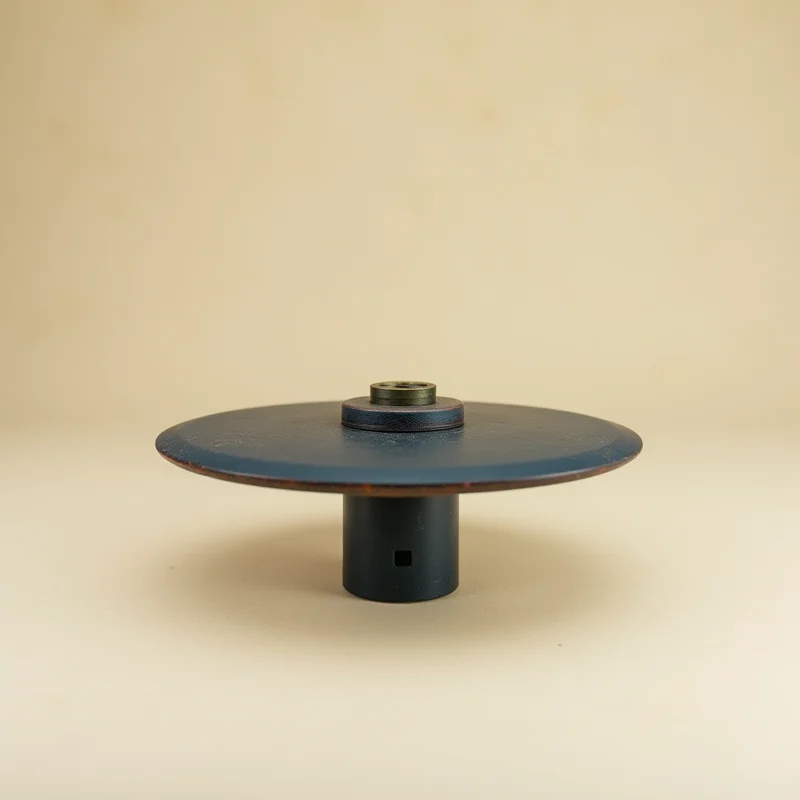
The in-line board that walleye trolling on Erie is essentially built around — it tracks hard, releases clean, and shows a bite.
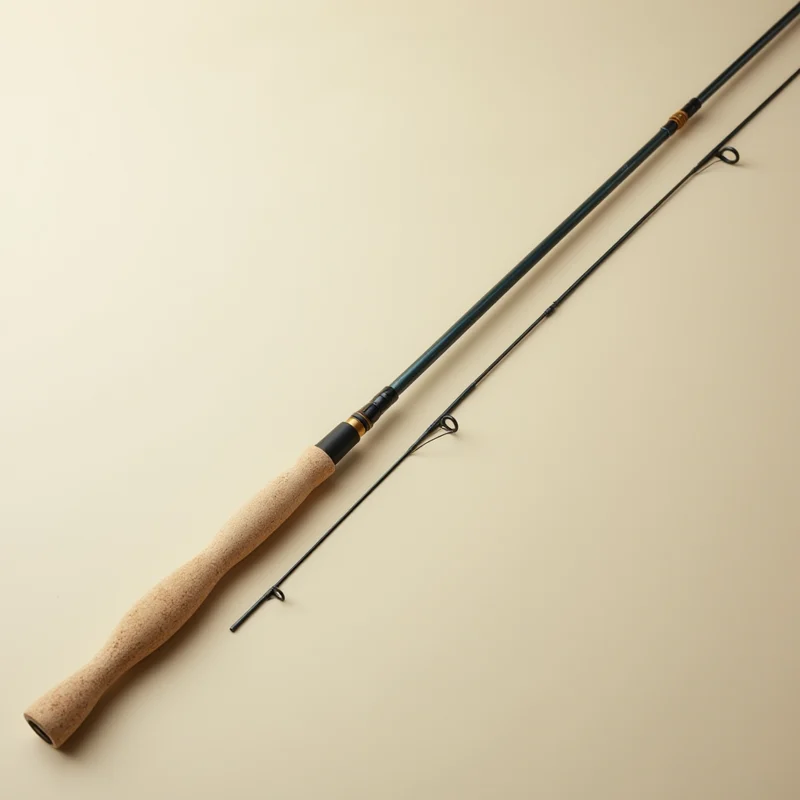
A step up from budget glass — better guides, better reel seat, and enough backbone to run a big Dipsy without folding.
The pier spoon. A heavy, wobbling casting spoon that has caught fall salmon and spring steelhead off Great Lakes breakwalls for sixty years.
The line most Great Lakes trolling programs still run, because stretch is a feature when a king salmon hits a rigger rod at 2.5 mph.
Questions
Same fish, other water
Size limits, bag limits, and open seasons for brown trout on Lake Michigan are set by Michigan DNR, Wisconsin DNR, Illinois DNR and Indiana DNR and change from year to year. Check the current rulebook before you keep a fish.
Sources
Last updated 2026-09-01