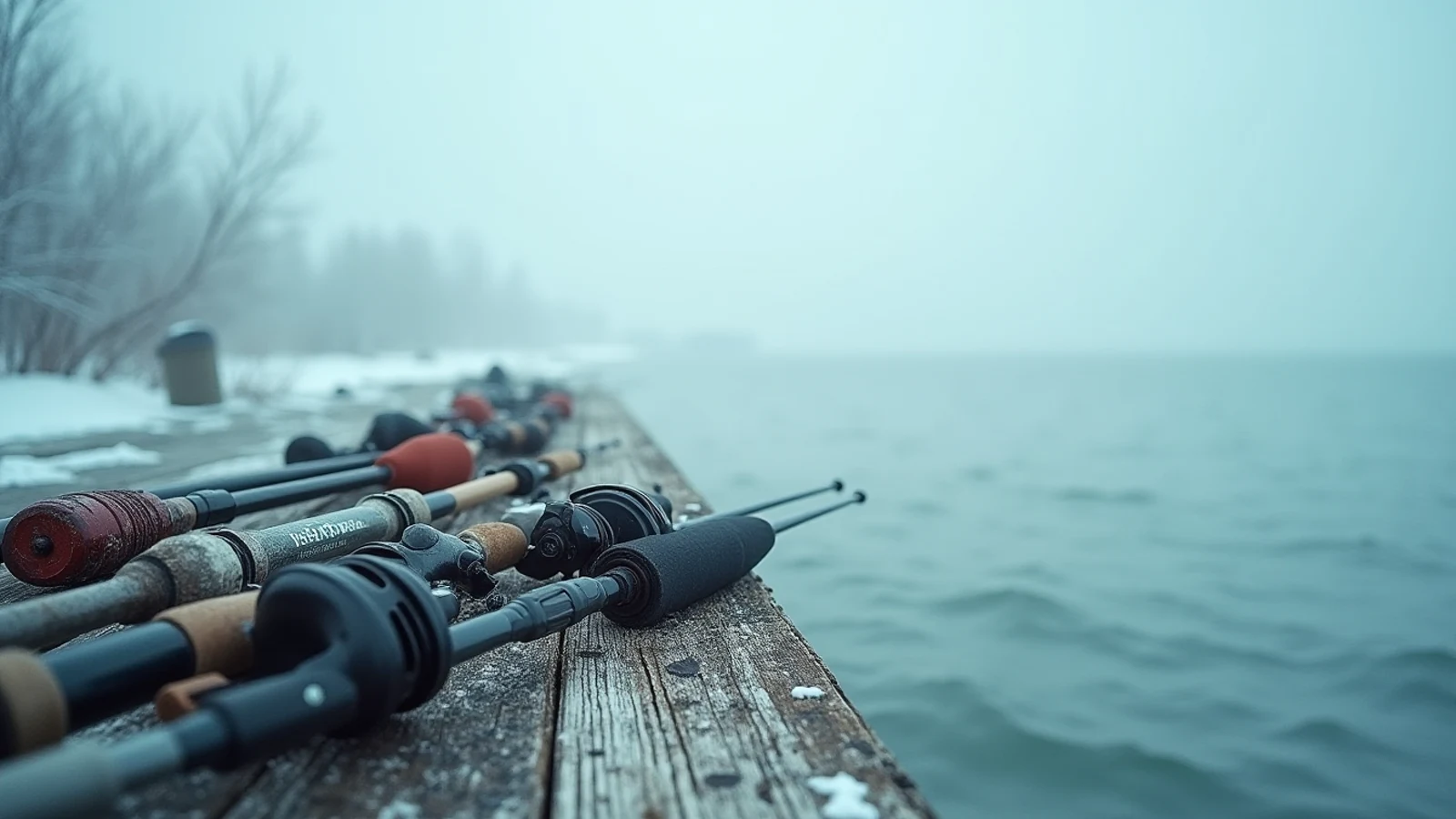
gear · Lake Superior
Cold-Water Layering: Staying Functional at 38 Degrees in an Open Boat
A layering system for Great Lakes spring and fall fishing: what each layer does, what cotton costs you, and why the outer shell is a safety decision.
Thirty-eight degrees and flat calm is a pleasant morning. Thirty-eight degrees with a 15-knot wind and spray coming over the bow at 25 mph is a different physical event, and people underdress for it every April and every November because the number on the truck thermometer does not describe it.
Dressing for an open boat on the Great Lakes is a system with three jobs: keep sweat off your skin, trap air, and stop wind and water. Get any one of them wrong and the whole thing fails.
Layer one: move the sweat
The base layer sits against skin and its only job is to pull moisture away and dry fast. You will sweat — running out, hauling boards, fighting a fish — and if that moisture sits on you, it will pull heat out for the rest of the day.
Merino wool is the best option for most people. It moves moisture, keeps insulating when damp, does not stink after three days, and is comfortable across a wide temperature range. A midweight merino top and bottom is the single best cold-weather clothing purchase an angler makes.
Synthetic base layers dry faster and cost less. They also hold odor. Either works.
Cotton fails. A cotton t-shirt under a good coat will undo the coat. It absorbs sweat, holds it, and conducts heat away from your body many times faster than dry fabric. There is no cold-weather boat application for cotton — not socks, not underwear, not a hooded sweatshirt.
Layer two: trap air
Insulation works by holding still air. Fleece, grid fleece, synthetic puffy, or wool all do it. What matters is loft and fit.
Size the mid layer so it is not compressed. A mid layer squeezed tight under a snug shell has no air in it and no insulating value — this is the most common layering mistake, and it is why an oversized outer shell is correct.
Two thinner mid layers beat one thick one, because you can shed one when the sun comes up or the work gets hard. Overheating in the morning means damp base layers in the afternoon, which is how people end a day cold.
Synthetic insulation over down for boat work. Down is warmer per ounce and useless once it gets wet, and on a boat it will get wet.
Layer three: stop the wind and the water
This is the layer that separates fishing clothes from camping clothes.
A boat produces wind you generate yourself — 25 mph of it — plus spray, rain, fish slime, and water off the net. A breathable hiking shell is not built for hours of that. What you want is genuine marine-grade waterproofing:
Commercial-style bibs and jackets — the heavy-coated fabric the charter fleet wears. Fully waterproof, taped seams, high bib backs, reinforced knees and seat. Not breathable and not fashionable, and completely reliable. If you spend real days on the water in cold weather, this is the answer.
Float coats and float suits — insulated outerwear that is also flotation. This is the layer worth thinking hardest about. A Coast Guard-approved float coat is warm enough to be your actual coat, which means you wear it, which means you are wearing flotation on the day you fall in. Cold water shock takes hand function within minutes; nobody is reaching under a seat for a life jacket at 40 degrees.
Ice float suits — a bib-and-jacket system with buoyancy built in, sized to fit over layers. Designed for hard water but excellent in an open boat in November.
Whatever you choose, size it to fit over everything else with room to spare, and get the hood right — a hood that will not seal or that blocks your peripheral vision when you are running the boat is worse than none.
Hands, head, feet
Hands are where cold-weather fishing actually fails. You cannot tie a knot with numb fingers, and once your hands are gone the day is over regardless of how warm your core is. Neoprene fold-back mitts give you dexterity when you need it and cover when you do not. Bring two pairs — one will get soaked in the first hour. A small towel clipped where you can reach it does more for hand warmth than any glove.
Head. A significant share of heat loss goes out an uncovered head in wind. A wool or fleece watch cap under a hood, plus a neck gaiter, closes the biggest gap in most people’s systems. The gaiter matters more than people expect: an open collar funnels 25 mph of cold air straight into everything you layered.
Feet. Wool socks, one pair, correctly sized. Two pairs jammed into a boot compress and cut circulation, which makes feet colder. Insulated rubber boots with room to wiggle toes. If your boots are tight, your feet will be cold no matter what you spend.
Building the kit by season
April and November on Erie or Saginaw Bay — midweight merino base, fleece mid, waterproof bibs and jacket or a float suit, wool cap, gaiter, neoprene mitts, insulated boots.
Summer offshore on Superior or Lake Michigan — the deck is 20 degrees colder than shore and a lake breeze runs all day. Lightweight base layer, a fleece in the bag, and rain gear regardless of the forecast. Every August there are people shivering on a Ludington charter in shorts.
Ice — a float bib and jacket system, heavier insulation, and a change of everything in the truck. That last item is the one nobody packs and everybody eventually needs.
The rules that keep you fishing
- Dress for the water temperature, not the air temperature. The lake is what you will be in if something goes wrong.
- Start slightly cold. You warm up in ten minutes and you never sweat out your base layer.
- Carry a full change of dry clothes in a dry bag or a tote in the truck. On a long run in November this is not a luxury.
- Eat and drink. Being cold burns calories fast, and dehydration makes it worse — you will not feel thirsty in 38 degrees and you still are.
- If somebody on the boat stops shivering, gets confused, or starts slurring, that is hypothermia progressing. Head in and get them warm. It is never worth the last hour of fishing.
Mentioned above
Gear from this guide
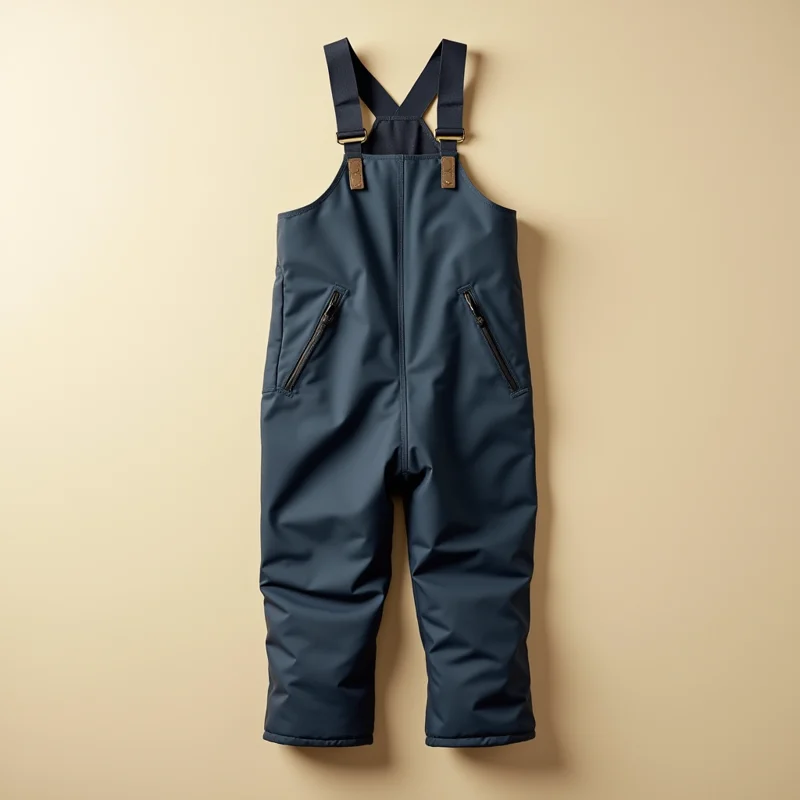
Classic Thermal Base Layer Set
4.6(2,800)4.6 out of 5 stars, 2,800 reviews, on Amazon at the time this was writtenMerino wool top and bottom that insulate when damp and do not stink after three days, which is the entire argument against cheaper synthetic layers.
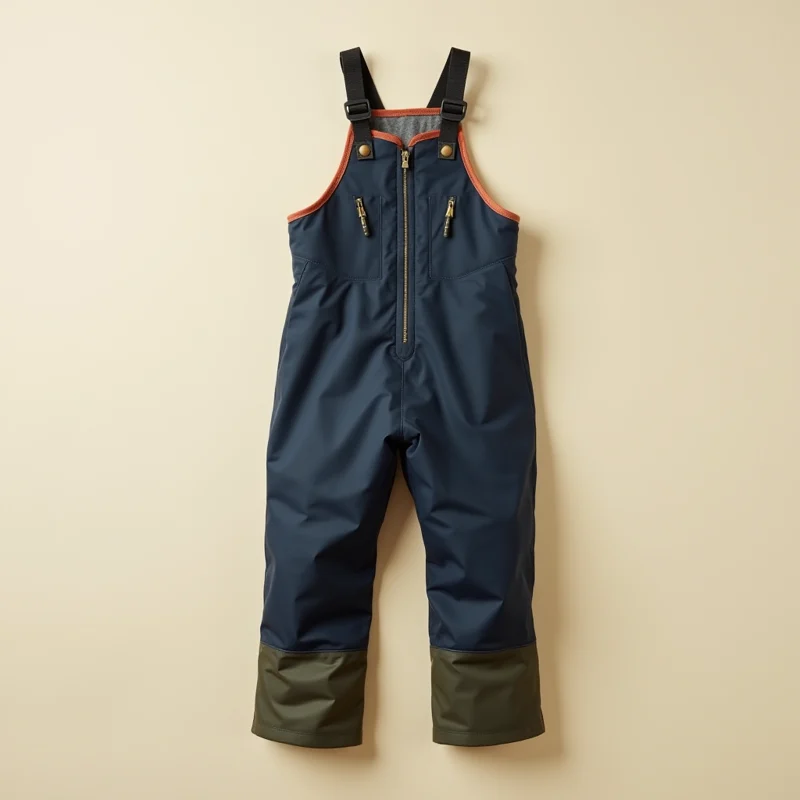
Neptune Commercial Bibs
4.6(1,750)4.6 out of 5 stars, 1,750 reviews, on Amazon at the time this was writtenCommercial-grade PVC bibs that keep spray, rain, and fish slime off you through a full day of trolling, and that shrug off the things that destroy consumer rain gear.
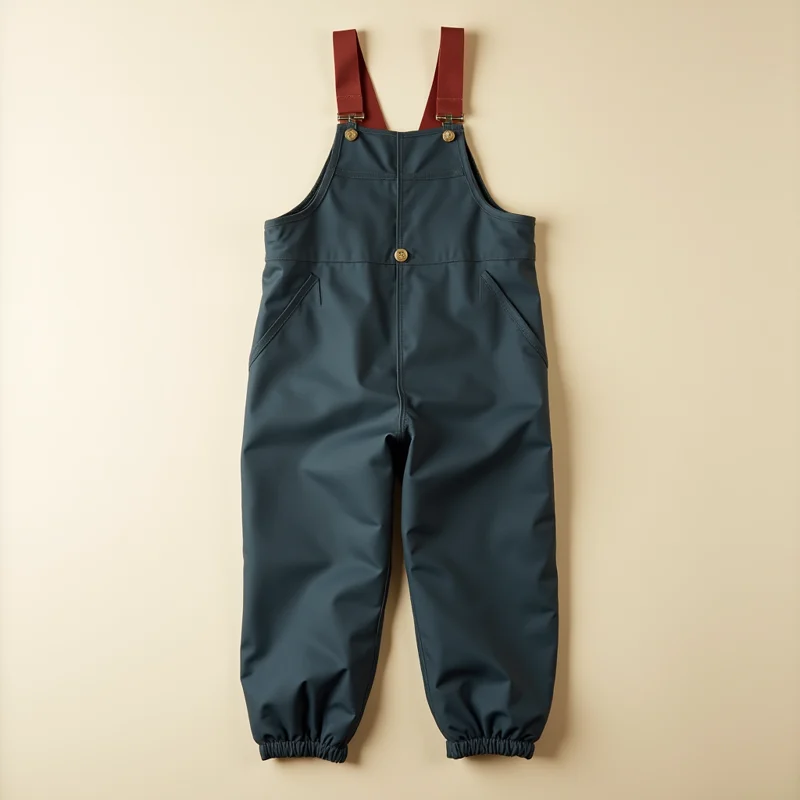
Pro Angler Gloves
4.4(3,200)4.4 out of 5 stars, 3,200 reviews, on Amazon at the time this was writtenFleece-lined neoprene with fold-back index finger and thumb, so you can tie a knot in twenty-degree wind and then cover your hands again.
Classic Flotation Coat
4.7(1,620)4.7 out of 5 stars, 1,620 reviews, on Amazon at the time this was writtenA Coast Guard approved coat you will actually wear, which is the only meaningful difference between a PFD that saves you and one stowed under a seat.

I-Float Ice Suit
4.4(810)4.4 out of 5 stars, 810 reviews, on Amazon at the time this was writtenA jacket-and-bib set with buoyant flotation foam built in, so going through the ice becomes a survivable problem instead of a fatal one.
Questions
- What should I wear fishing in 40-degree weather on a boat?
- Three layers: a merino or synthetic base layer against the skin, a fleece or synthetic insulating mid layer sized to trap air, and a fully waterproof outer shell that blocks wind and spray. Add a hat, waterproof gloves, and wool socks in real boots. Skip cotton entirely.
- Is a float coat worth it?
- On cold water it is the best money in the boat. A float coat is a wearable flotation device that is warm enough that you keep it on, which is the only characteristic that matters — the PFD stowed under a seat has never saved anybody.
- Why is cotton bad for cold-weather fishing?
- Cotton absorbs many times its weight in water, holds it against your skin, and loses essentially all insulating value when wet. Sweat alone is enough to do it. Wet cotton in wind accelerates heat loss dramatically.
- How cold is Great Lakes water in spring?
- Surface temperatures in April run from the mid-30s on Superior to the 40s on Erie, and upwelling can drop any lake sharply overnight. Water that cold causes involuntary gasping and rapid loss of hand function on immersion, which is why what you wear is a safety question, not a comfort question.
Read next
Downriggers vs. Divers vs. Lead Core: Which to Buy First
Three ways to get a bait deep on the Great Lakes, what each costs in money and deck space, and an honest order to buy them in.
Line Counter Reels Explained, and How to Keep Them Honest
What a line counter actually measures, why it drifts as the spool empties, how to calibrate one, and which reel size fits Great Lakes trolling jobs.