Chaumont Bay
The best-known walleye water on the New York side. Shallow, weedy, protected, and directly connected to the eastern basin. Night trolling over 8–14 ft is the standard program.
Walleye · Lake Ontario
Lake Ontario is the thinnest walleye water on this site, and where it is good it is very good — the eastern basin bays hold a real population and almost nobody targets them. Fish Chaumont Bay and Black River Bay after dark in May and again in October.
Prime time
Mid-May through June, and again from late September into November
Depths
6–15 ft over shoals and weed edges at night; 25–45 ft in open eastern basin water by midsummer
Typical size
15–22 inches, 1.5–4 lb
Lake max depth
802 ft
Where
The best-known walleye water on the New York side. Shallow, weedy, protected, and directly connected to the eastern basin. Night trolling over 8–14 ft is the standard program.
Off Dexter and Sackets Harbor. Warmer and more stained than the open lake, with a spring run into the Black River itself and resident fish through the summer.
Protected water with a mix of shoals and weed flats. Best known for smallmouth, but the walleye fishing after dark in June is genuinely good and effectively unpressured.
Hard-bottom structure at the mouth of the eastern basin bays. Fish stage here moving in and out of the bays in spring and fall.
South-shore drowned bays with weed flats and channel edges. Resident walleye, best fished at first light and after dark from June through September.
Where the lake drains east. Current, hard bottom, and a fall concentration of fish. Also heavy freighter traffic in a narrow channel — navigate accordingly.
How
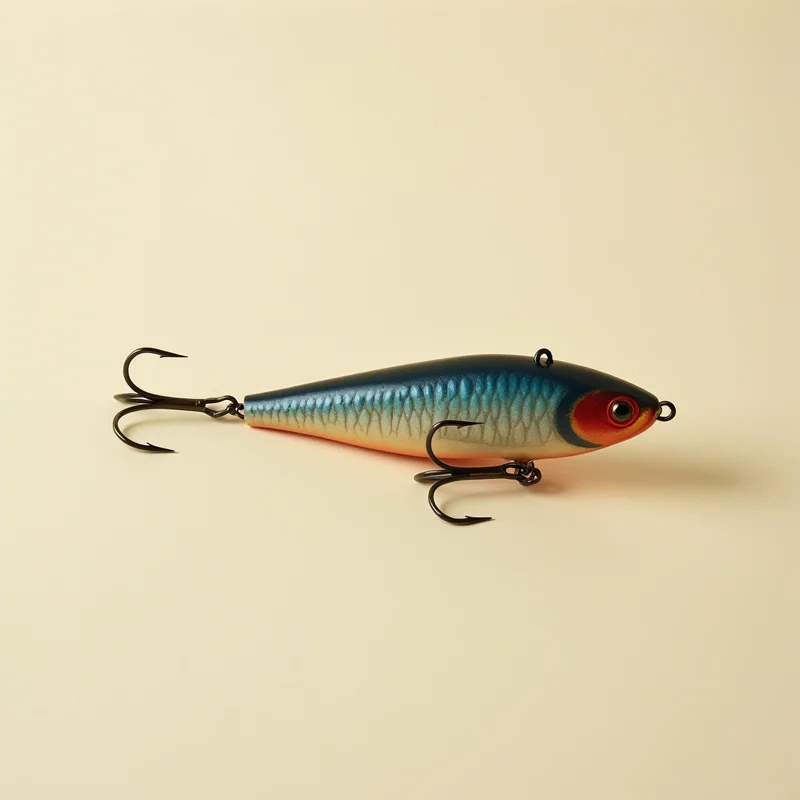
The most reliable Lake Ontario walleye pattern. Long minnow baits 90–140 feet back on in-line boards, 1.7–2.1 mph, over 8–14 ft in Chaumont or Black River Bay. Start an hour after dark, and expect the best two hours to be the first two.
June through August, daylight. Small blades on a bottom bouncer or a slip-sinker rig, 0.9–1.2 mph, working the outside edge of the cabbage in 12–18 ft. Watch for the transition where weed gives way to clean bottom — that line holds the fish.
July and August, when bay water passes 72°F and fish slide out to 25–45 ft. Deep cranks or spoons on lead core and snap weights at 1.9–2.3 mph. You are fishing the same water as the lake trout fleet, higher in the column.
October and November off Stony Point and around Cape Vincent. A 1/2 oz blade bait or a 3/8 oz jig with a soft plastic, lift-dropped on the hard-bottom edge in 18–28 ft. Water in the low 50s falling into the 40s is the trigger.
Lake Ontario is 802 feet deep at its deepest and averages 283 feet. It is cold, clear, and stocked hard with chinook salmon, brown trout and steelhead. Nothing about that description says walleye. Which is exactly why the walleye fishing on the eastern end is as unpressured as it is.
The fish are in the bays. Chaumont Bay, Black River Bay, Henderson Bay and Guffins Bay make up a complex of shallow, weedy, protected water at the northeast corner of the lake, out of Dexter and Sackets Harbor. Add Sodus Bay, Port Bay and Blind Sodus Bay on the south shore and you have the whole New York walleye fishery in a sentence.
Those bays are shallow — much of the fishable water is 6 to 18 feet — and they warm weeks ahead of the main lake. They hold cabbage and coontail, they carry a baitfish population the open lake does not, and they sit next to enough deep water that fish can move out when it gets hot and back in when it cools.
Chaumont Bay is the anchor. It is big enough to lose a fleet in and shallow enough to troll boards across most of it. Black River Bay adds current and stain from the Black River, and a genuine spring run into the river itself.
This is a night fishery and pretending otherwise wastes trips. Ontario’s water is clear. Walleye in eight feet of clear water do not feed in bright sun.
The program: long minnow baits, 90 to 140 feet behind in-line boards, 1.7 to 2.1 mph, over 8 to 14 feet of flat with scattered weed. Start an hour after sunset. Black, purple, and blue-chrome patterns. Run a plotter track, run navigation lights, and keep in mind that Chaumont and Black River Bay have real rock in places that a chart plotter alone will not save you from at 2 mph in the dark.
Two of them. In June through August, drift a worm harness on the outside edge of the weeds in 12–18 feet during the day. It is not fast but it is steady, and the first hour of light is worth being on the water for.
The second is the open-water pattern. By late July the bays are past 72°F and a portion of the fish slide out into the eastern basin proper, 25 to 45 feet down. This is trolling — spoons or deep cranks on lead core, 1.9 to 2.3 mph — in the same water the trout fleet works, just higher in the column. It is the least documented walleye pattern on the lake and it produces the biggest fish.
Late September through November the fish return to shoal edges: Stony Point, the Stony Island shoals, and the water around Cape Vincent where the lake begins draining into the St. Lawrence. Blade baits and jigs, worked with a slow lift on 18 to 28 feet of hard bottom. Water dropping from the mid-50s into the 40s is the window.
Cape Vincent deserves a specific warning. It is a narrow, current-swept, heavily trafficked seaway channel. Freighters transit constantly and cannot maneuver around a drifting boat. Fish the edges, not the channel.
This is not a numbers fishery. On a good Erie day you troll for two hours and go home. On Chaumont Bay you may work all night for a handful of fish. The trade is that they are often big, and that on most weeknights in June you will not see another boat working the same flat.
The eastern basin bays are protected, which is the point of them, but the run out of Sackets Harbor or Henderson into open water puts you on a deep lake with a long fetch from the west. Ontario builds a heavy, long-period swell in a strong westerly and it takes a long time to lie back down. A handheld VHF and a real look at the forecast are not optional on the open-water pattern.
NYSDEC sets Lake Ontario walleye rules, and eastern-basin and St. Lawrence waters have at times carried different seasons and limits from the rest of the state. They change. Read the current regulations before your trip.
Where to put in
Dark marks are launches named in this guide. Generalized shoreline, not for navigation.
Kit
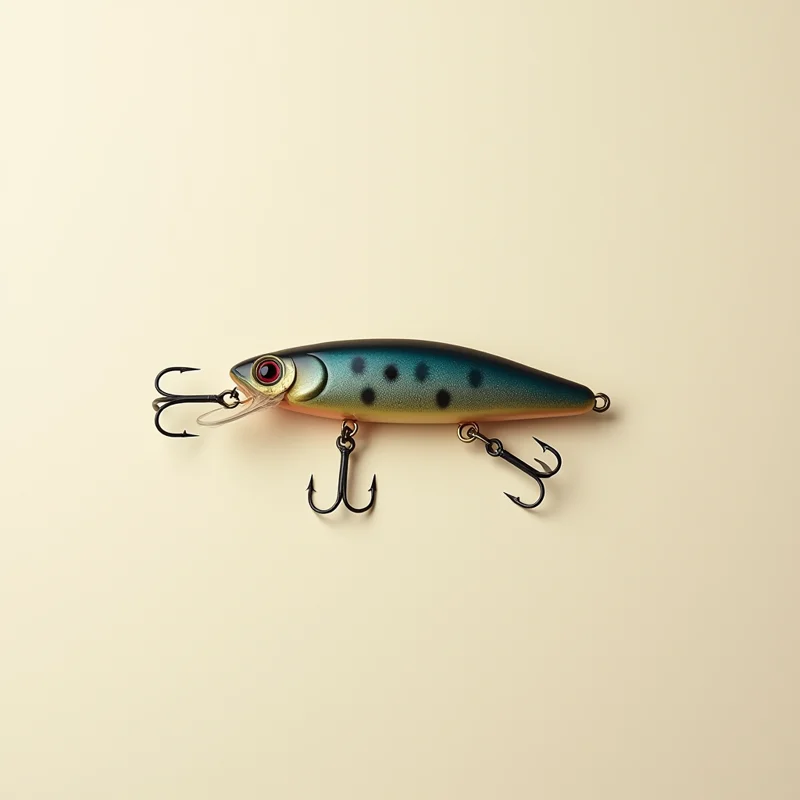
A suspending jerkbait that hangs motionless between twitches — the cold-water bait for walleye, smallmouth and browns.
The other standard in-line board — slightly larger, pulls heavier loads, and handles copper and lead core better than most.
The June-through-September walleye rig on western Lake Erie, and the first terminal tackle a visiting angler should buy before a Saginaw Bay trip.
A thin metal blade that vibrates hard on the lift and flutters on the drop — the cold-water bait for deep, inactive walleye.
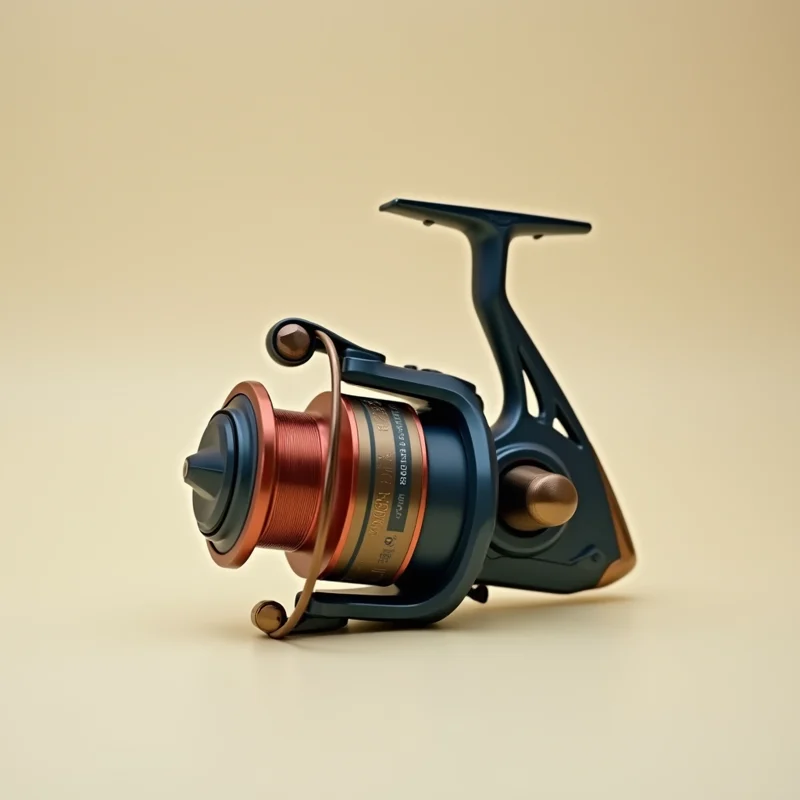
The reel the charter fleet actually runs, with a drag that stays smooth through a 20-pound king's third run.
Questions
Same fish, other water
Size limits, bag limits, and open seasons for walleye on Lake Ontario are set by NYSDEC and change from year to year. Check the current rulebook before you keep a fish.
Sources
Last updated 2026-09-01