The Au Sable River at Oscoda
Michigan's best-known Lake Huron steelhead river, with fish from the mouth up to Foote Dam. Fall and spring runs and good bank access in the lower river.
Steelhead · Lake Huron
Steelhead are the Pacific species that did best out of Lake Huron's alewife collapse, because they eat almost anything and did not depend on a single baitfish. The Au Sable, Rifle and Saginaw Bay tributaries carry solid runs, and the summer offshore surface bite off Oscoda and Harbor Beach is underfished.
Prime time
October through April in the tributaries, peaking in March; June through August offshore
Depths
3–10 ft in the rivers; 5–35 ft down over 80–300 ft offshore
Typical size
5–10 lb
Lake max depth
750 ft
Where
Michigan's best-known Lake Huron steelhead river, with fish from the mouth up to Foote Dam. Fall and spring runs and good bank access in the lower river.
A Saginaw Bay tributary at Omer with a strong spring run and easy wading. Small enough to read, big enough to hold fish.
Big, slow, stained water feeding Saginaw Bay. Steelhead run it in spring alongside the walleye, and the fish are heavy.
Summer steelhead ride the surface over the southern basin. Look for a debris line over 100 to 250 feet and fish the top 20.
Alpena's river carries a modest run, and the lake off Thunder Bay holds summer surface fish in July.
A small northern stream with a fall run and near-zero pressure compared to the Michigan side of the state.
How
In the Rifle, Au Sable and Tittabawassee, drift a spawn sac or bead 12 to 24 inches off bottom under a slip float, matched to current speed. Ten-pound mainline, 6 to 8 pound fluorocarbon leader. Water at 40 to 48 degrees in March is when these fish are most catchable.
June through August, run out over 100 to 250 feet and find floating debris. Steelhead hold in the top 15 feet in 58 to 62 degree water. Pull orange, pink and copper spoons 150 to 250 feet behind planer boards at 2.5 to 3.0 mph. Huron's fleet is chasing walleye and lake trout and mostly leaves these fish alone.
Three colors of lead core off a board runs about 15 feet down at 2.4 mph, which is where the fish are in June before the surface warms. Small spoons, bright finishes, long leads.
At the Au Sable mouth and the Rifle River outlet, steelhead stage within casting distance after October rain. Throw a three-quarter-ounce spoon or drift a spawn sac under a float from the bank at first light.
When Lake Huron’s alewife population collapsed in 2003 and 2004, chinook salmon went with it. Steelhead did not. A chinook in this system is close to an obligate alewife eater; a steelhead will take mayflies off the surface in June, chase smelt in April, eat round goby off the rocks and pick terrestrials out of a floating debris line in July. That flexibility is why Huron still has a real steelhead fishery while its king fishery is a memory.
It also means the fish are healthy. Huron steelhead are in good condition, they are spread across both the northern rock shoreline and the Saginaw Bay drainage, and they see a fraction of the pressure that Michigan-side or Erie fish do.
The Au Sable at Oscoda is the anchor. Fish enter from the lake in fall and again in spring, and the water from the mouth up to Foote Dam holds them through the winter. Bank access in the lower river is good and the run is dependable.
The Rifle River at Omer is the other name that matters — a Saginaw Bay tributary, small enough to wade and read, with a spring run that peaks in March and April. The Tittabawassee and the wider Saginaw system carry steelhead too, in big stained water where they mix with the walleye run.
Farther north, the Ocqueoc near Rogers City and the Thunder Bay River at Alpena have smaller runs and almost no crowd.
This is the real opportunity on Huron. From June through August, steelhead live in the top 15 feet of open water, over 100 to 300 feet, in 58 to 62 degree surface temperature, feeding along floating debris lines. The technique is identical to the Lake Michigan scum-line program: run out, find the debris, put bright spoons on long leads behind planer boards, and troll faster than feels right — 2.5 to 3.0 mph.
On Lake Michigan you share that water with a hundred boats. On Huron, the fleet is inshore chasing walleye or on bottom chasing lake trout. You will often have the surface to yourself.
Huron’s food web reorganized twice: first when zebra and quagga mussels stripped plankton out of the water column and cleared the lake, then when the alewives went. Round goby filled the bottom, walleye exploded in Saginaw Bay, and lake trout began reproducing naturally for the first time since the sea lamprey era. Steelhead threaded through all of it because they were never specialists.
Understanding this makes you a better angler on Huron specifically: match a varied forage base rather than one baitfish, and be willing to fish top to bottom in the same day.
March is the month. Water at 40 to 48 degrees puts fish in the moderate runs and makes them take. Drift a spawn sac or bead under a float, 12 to 24 inches off bottom, at current speed. Cover water — three or four good drifts per run and move on.
In February, with water in the mid-30s, the fish sit in the deepest slowest holes and want the bait almost on the bottom, drifted slowly. In April, drop-backs heading downstream will chase a streamer or a spinner and give you the easiest fishing of the year.
Huron has more shoreline than any Great Lake and long stretches without a harbor, particularly north of Alpena. An offshore steelhead run in July puts you several miles out with a lot of nothing around. Carry a VHF, wear a PFD underway, and respect a northwest wind on a lake with this much fetch.
Where to put in
Dark marks are launches named in this guide. Generalized shoreline, not for navigation.
Kit
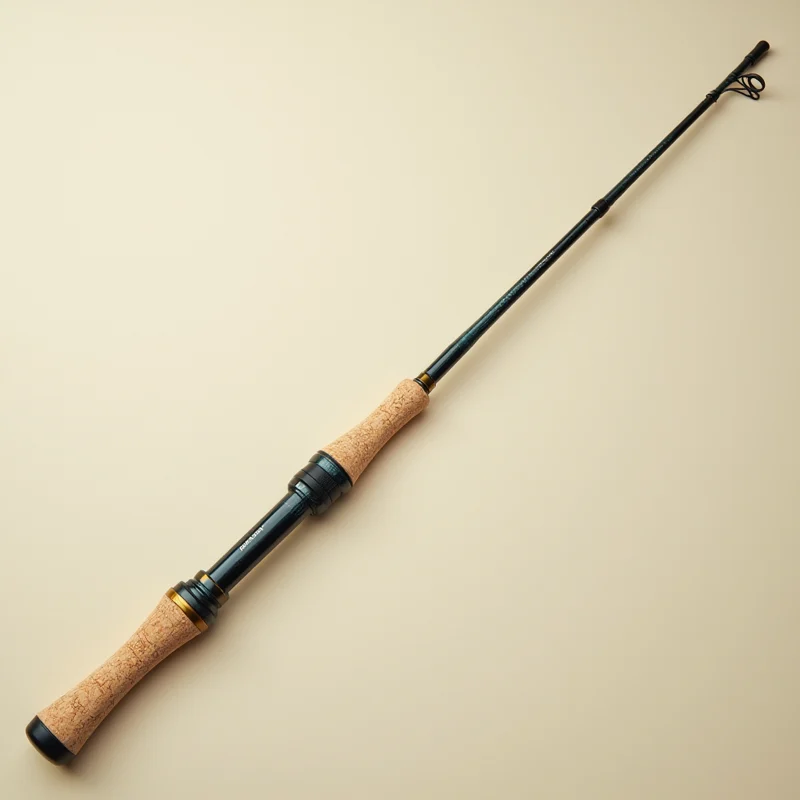
Thirteen feet of soft graphite built to mend line across a tributary current and protect 6-lb fluoro from a hot steelhead.
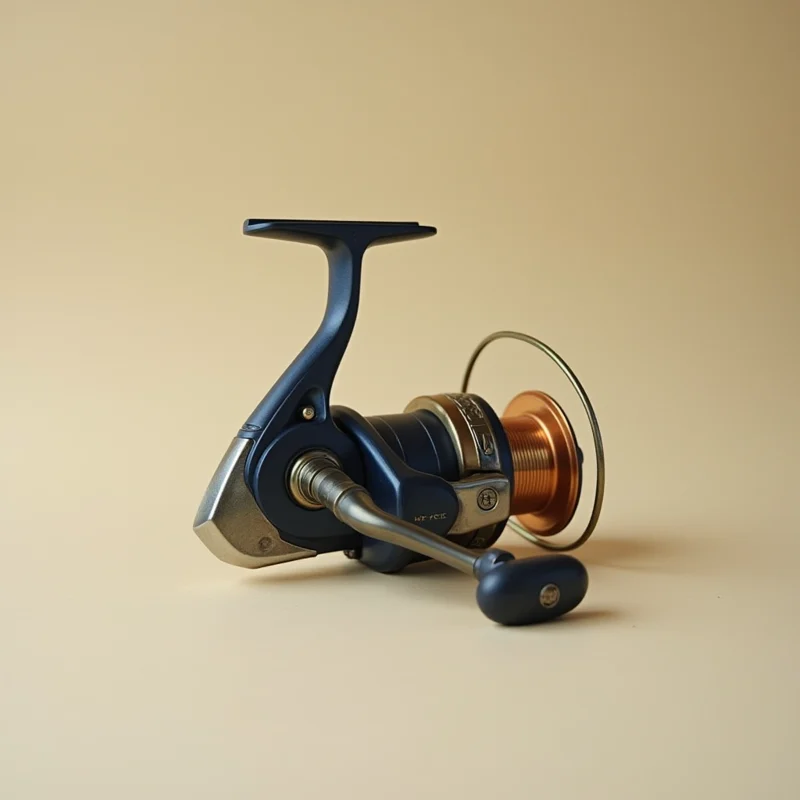
An affordable entry into centerpin float fishing — a free-spinning drum that lets a float drift at true current speed.
Everything you need to build a float program for tributary steelhead, assembled by the company that made float fishing normal in the Great Lakes.
The in-line board that walleye trolling on Erie is essentially built around — it tracks hard, releases clean, and shows a bite.
A thin, high-action trolling spoon with genuinely long-lasting glow — the standard early-morning king spoon on Michigan and Ontario.
Questions
Same fish, other water
Size limits, bag limits, and open seasons for steelhead on Lake Huron are set by Michigan DNR and change from year to year. Check the current rulebook before you keep a fish.
Sources
Last updated 2026-09-01