boating · Lake Erie
Trailering and Launching on Big Water
How to back a trailer, launch in wind, use a Great Lakes ramp without holding up the line, and load a boat single-handed when the chop is on the wall.
The hardest part of a Great Lakes trip for most people is not the lake. It is the ninety feet of wet concrete between the parking lot and the water, in the dark, with wind pushing the boat sideways and a line of trucks behind you.
Ramps are learnable. Here is the whole thing.
Backing a trailer, without the mystery
One rule does most of the work: put your hand at the bottom of the steering wheel and move it the direction you want the back of the trailer to go. Trailer needs to go left, hand goes left. It removes the mental inversion that makes people panic.
Everything else is technique:
- Go slow. Idle speed. Every correction happens faster than you expect.
- Small inputs. A quarter turn is a lot. If you find yourself with the wheel cranked to the stop, you are already jackknifing — pull forward and reset.
- Pull forward and reset without shame. It is faster than fighting a bad angle, and nobody at the ramp thinks less of it. What they think less of is fifteen minutes of increasingly wild attempts.
- Set up the approach. Most of a good back-in happens before you shift into reverse: swing wide, get the truck and trailer roughly in line with the lane, then back nearly straight.
- Use your mirrors, not your neck. Turning around works for ten feet and then you lose the whole picture. Mirrors show both sides. Practice with them.
- Short trailers turn faster. A 14-foot jon boat trailer reacts three times as quickly as a 24-foot tandem. Adjust your input size to the trailer you have.
Then go practice. An empty church parking lot on a Sunday afternoon with two trash cans as a lane, thirty minutes, twice. That is all it takes to stop being the story at the ramp.
The pre-launch routine, done in the lot
Great Lakes ramps run on a rhythm. The way to fit into it is to arrive at the water fully ready.
In the staging lot, before you get on the ramp:
- Transom straps off, bow strap and safety chain still on.
- Drain plug in. Say it out loud. Everyone who has forgotten it has forgotten it while doing everything else right.
- Battery switch on, electronics checked, motor tilted up enough to clear the ramp lip.
- Gear, food, cooler, rods loaded. Life jackets out and accessible.
- Bow and stern lines rigged and cleated, ready to hand.
- Keys in your pocket, not in the truck you are about to hand to somebody.
On the ramp: back down, undo the bow strap at the last second, and get the boat off. Then immediately clear the ramp lane — tie to the courtesy dock or ease the boat off to the side — and go park. Two minutes on the concrete is the standard. Nobody minds a slow beginner who is obviously prepared; everybody minds a fast person doing their whole rigging on the ramp.
Launching in wind, which is the Great Lakes default
The wind at a Great Lakes ramp is rarely a courtesy. Two situations to plan for.
Wind blowing off the dock. The boat wants to leave. Get a stern line on a cleat before the boat floats free, and have the person on the dock hold it rather than trying to grab a moving hull.
Wind blowing onto the dock. The boat wants to grind against pilings. Launch with the bow angled slightly away, get aboard promptly, and use the motor to hold position rather than muscling it. Fenders on the dock side are cheap insurance.
Crosswind on the ramp itself. Back deeper than you normally would so the boat floats free quickly instead of pivoting on the bunks.
If you are alone, run a long bow line from the boat’s bow cleat down the dock and cleat it before you back in. The boat floats off, the line stops it going anywhere, you park the truck and walk back to a boat that is exactly where you left it.
Retrieving, especially alone
Loading is where boats and trailers get damaged, and where wind causes real problems.
- Back in to the same depth you launched at, no deeper. Too-deep trailers let the hull float over the bunks and land crooked, which is how bunks and hulls get chewed up.
- Approach into the wind or current when you can. Steering authority beats horsepower.
- Drive on or winch on, but pick one. Power-loading is normal on the Great Lakes and is what most ramps expect, but heavy prop wash digs holes at the end of the ramp and some ramps post rules against it. Read the signs.
- Once the bow is on the roller, hook the winch strap before you do anything else. A boat that slides back off a trailer in three feet of water ruins an afternoon and a lower unit.
- Pull up the ramp and out of the lane immediately. Strapping, draining, unloading, cleaning — all of that happens in the lot.
Drain, clean, dry
Aquatic invasive species are the reason the alewife and the zebra mussel and the sea lamprey exist in these lakes, and every Great Lakes state now requires boaters to break the transport chain. The universal routine:
- Pull the plug and drain the bilge and livewells before leaving the launch area.
- Remove all visible plants, mud, and debris from hull, trailer, and motor.
- Dump bait water on land, never in another lake.
- Let everything dry, or rinse with hot water, before launching in different water.
The specific requirements vary by state and change. Check the current rules with the state agency where you are boating.
Small things that make ramp days better
Keep a dedicated ramp bag in the truck: gloves, a headlamp, a spare drain plug, a pair of cheap boots, and a small tarp for the driveway when you drop the plug in the gravel. Keep a second set of keys somewhere other than your pocket.
Carry a throwable cushion in easy reach of the helm. It is required equipment on most boats 16 feet and over, and it is the only piece of gear that helps somebody who is already in the water and not wearing a jacket.
And go on a weekday the first few times. A Tuesday morning at Catawba or Ludington gives you an empty ramp, a patient dockhand, and all the practice you need before you do it on a June Saturday.
Keep exploring
More from the field guide
Mentioned above
Gear from this guide

Type IV Throwable Cushion
4.4(3,600)4.4 out of 5 stars, 3,600 reviews, on Amazon at the time this was writtenThe legally required throwable on boats sixteen feet and over, and the thing you throw to someone in the water while you turn the boat around.
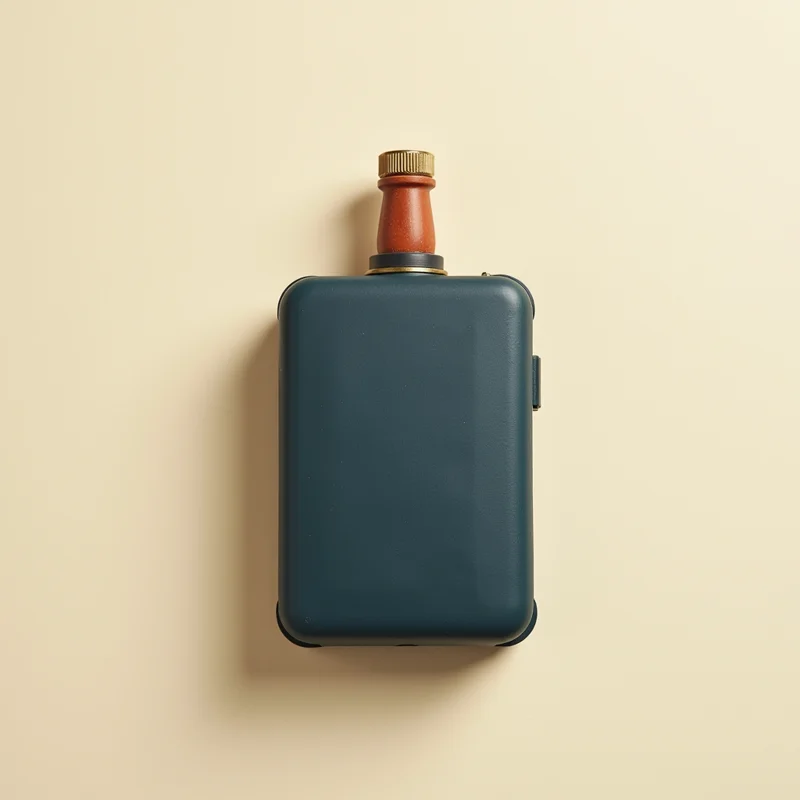
A/M-24 Inflatable PFD
4.5(4,100)4.5 out of 5 stars, 4,100 reviews, on Amazon at the time this was writtenA low-bulk inflatable that is comfortable enough to wear in August heat, so summer anglers stop leaving the PFD in the bow.
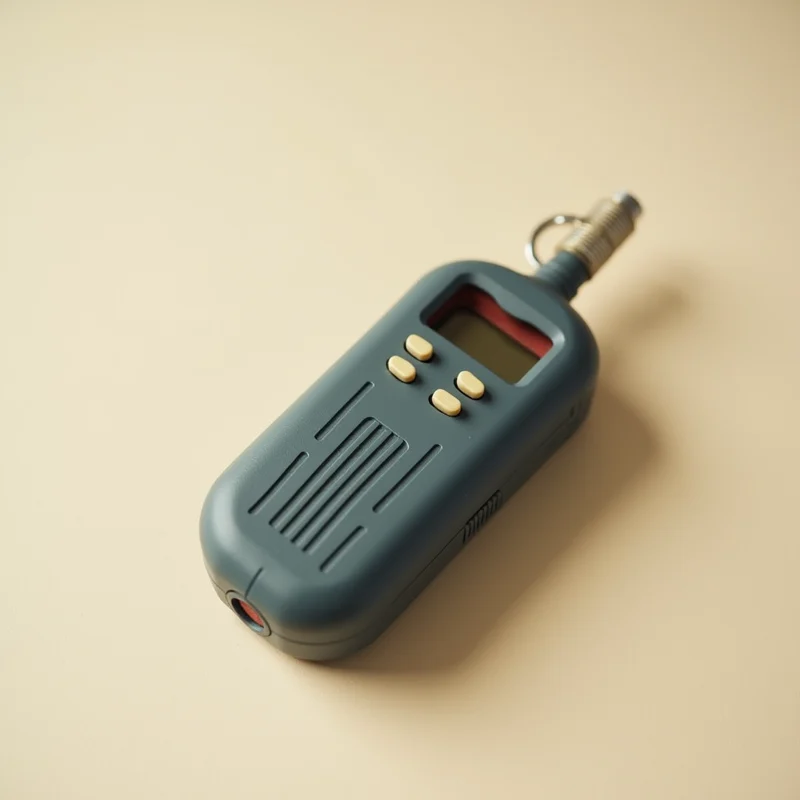
HX210 Handheld VHF
4.6(2,200)4.6 out of 5 stars, 2,200 reviews, on Amazon at the time this was writtenA floating, submersible six-watt handheld that reaches the Coast Guard when a cell phone has no bars, which offshore on Superior and Huron is most of the time.
Questions
- How do I back a boat trailer straight?
- Put your hand at the bottom of the wheel and move it the direction you want the trailer to go. Go slow, use small inputs, and correct early. Practice in an empty lot before you practice in front of twelve trucks at 5 a.m.
- How deep should the trailer be in the water to launch?
- Deep enough that the boat floats free with a light push, usually with the trailer fenders at or just below the surface. Too deep and the boat floats off-center or the hull rides over the bunks on retrieval; too shallow and you are dragging gelcoat.
- What is the etiquette at a busy boat ramp?
- Do all your prep in the staging lot, keep your time on the concrete under two minutes, launch and immediately move the boat to the courtesy dock or off to the side, then go park. Retrieve in the same order: bring the boat in, pull it out, and do your strapping and draining in the lot.
- Do I have to drain my boat before leaving a Great Lakes ramp?
- Every Great Lakes state requires removing plants and draining water from livewells, bilges, and bait containers before transporting a boat, and rules differ by state. Check the current requirements with the state agency where you launched.
Read next
How to Read a Great Lakes Marine Forecast
Wave height, dominant period, wind against current, and why a two-foot forecast on Lake Erie is a different day than two feet on Lake Superior.
Sonar for the Great Lakes: What You Actually Need
2D CHIRP, down imaging, side imaging, and live sonar compared for Great Lakes work, and which one earns its money on the water you fish.