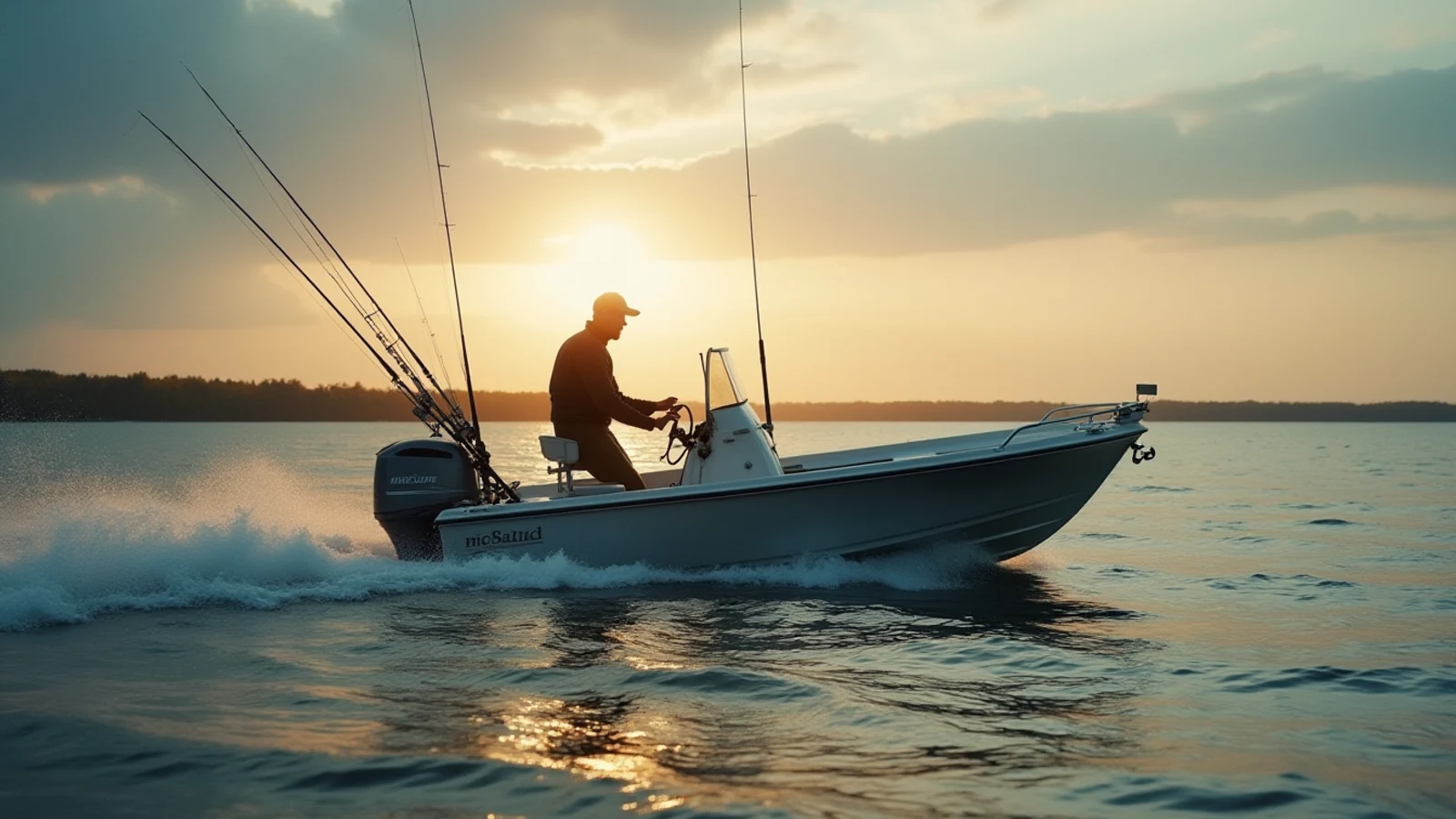
fishing · Lake Superior
Great Lakes Thermocline: Water Temperature & Trolling Depth
How Great Lakes water stratifies, why the thermocline sets your trolling depth, and how to find the temperature break with the gear already on your boat.
Cold water holds more oxygen and burns less of a fish’s energy. Warm water holds the bait. Almost everything that happens on a Great Lakes trolling spread in July is a negotiation between those two facts, and the negotiation happens at the thermocline.
What actually happens under the boat
In April the whole water column is roughly the same temperature. There is no layering, salmon can be anywhere, and the warmest water in the lake is a two-foot skim along a sun-soaked shoreline. That is why April boats fish shallow and dirty: a mud line off a river mouth can run six degrees warmer than the lake around it, and six degrees in April is everything.
By late June the sun has stacked a warm layer on top. Warm water is less dense, so it floats, and it does not mix downward except in wind. Between the warm surface layer and the cold deep water, a narrow band forms where temperature falls fast — sometimes 15 degrees in 10 feet of depth. That band is the thermocline. Above it is the epilimnion; below it, the hypolimnion, which on Superior and northern Lake Michigan stays in the high 30s to low 40s all year.
Fish are not sitting in the thermocline because they love the gradient. They are sitting near it because it is the shallowest place they can find their preferred temperature, and shallow means light, bait, and easier feeding. That is why the thermocline is a fishing target and not just an oceanography term.
The temperatures that matter
Every species has a band where it feeds hardest:
- Chinook salmon — mid-40s to low 50s. Tight to that. A king will make a run into 60-degree water to eat and go right back down.
- Coho salmon — low to mid 50s. More willing to ride the top 40 feet than a king.
- Steelhead — mid-50s to low 60s, and often up in the surface film over 300 feet of water, hunting the scum line.
- Lake trout — 42 to 48. Bottom-oriented on Superior and northern Huron all summer.
- Brown trout — mid-50s, and much closer to shore than the rest.
- Walleye — a broad range, but Erie fish concentrate around 65 to 72 in summer and follow bait more than temperature.
Write those numbers on the dash. When you mark fish and cannot get bit, the first question is whether your baits are in the right five-degree window, not whether your spoon is the right color.
Finding the break with the gear you already have
You do not need a downrigger probe to fish temperature well, though a probe is the only thing that tells you the truth at depth.
Sonar. Crank sensitivity up two or three clicks past your normal setting and look for a fuzzy horizontal band, usually somewhere between 30 and 90 feet in midsummer. That is suspended material collecting at a density change. It is a proxy, not a thermometer, but it is a good one.
Surface temperature plus the calendar. NOAA GLERL publishes daily satellite surface temperature maps for all five lakes. If Lake Michigan’s surface off Ludington reads 71 in late July, the thermocline is almost certainly somewhere in the 50-to-80-foot range. That gets your first pass in the neighborhood.
Your own catch log. Two fish at 62 feet on the rigger and nothing on the 40 is data. Move the shallow rod down. On a good day you can pattern the depth band inside 45 minutes and then spend the rest of the morning running it.
Downrigger temperature units. A cannonball probe that transmits temperature and speed at the ball is the difference between guessing and knowing, especially when a current shear puts the water at 60 feet moving a different direction than the surface.
Upwelling: the thing that ruins a Thursday
A strong offshore wind pushes the warm surface layer away from shore, and cold water rises to replace it. This is upwelling, and on the Michigan and Wisconsin shores of Lake Michigan it can drop surface temperature 20 degrees overnight. You launch into 68-degree water on Tuesday and 48-degree water on Thursday, and every fish you found has relocated.
Upwelling is not a disaster. It is a relocation notice. The fish did not leave the lake, they moved to where their temperature went, which is usually farther offshore and shallower in the column. When the surface goes cold, raise your baits and push out. When the warm water slides back in a few days later, the fish come with it, often stacked and aggressive along the leading edge.
The reverse — a hard onshore wind stacking warm surface water against the beach — pushes the thermocline down and can put 80 feet of fishable warm water where there were 30. Steelhead love the resulting scum lines.
Fishing the break instead of the number
Once you have the depth, spread around it rather than on it. A practical July Lake Michigan setup: two downriggers at and just below the break, two divers 20 feet above, and a lead core or copper line running the top of the column for steelhead. That covers 40 feet of water column with five rods, and the fish tell you which layer they want inside an hour.
Then commit. The most common mistake is scattering baits evenly through 100 feet of water all day out of fear of missing something. Once two rods on the same depth fire, move a third one there. Spoons that run clean at trolling speed — thin, fast-flashing patterns for kings near the break, wider wobbling models for lakers on the bottom — do most of the work once the depth is right.
Fall breaks the whole system down
In September the surface cools, the layers converge, and the lake turns over. Stratification collapses and cold water is available everywhere again. This is why late-summer kings come inside 40 feet of water off Ludington and Oswego and pile up at river mouths: the temperature that used to require 90 feet of cable is now on the beach.
Turnover is also why fall fishing feels chaotic. There is no depth band organizing the fish anymore, so structure and bait do the organizing instead. Trade your temperature discipline for structure discipline — points, harbor mouths, the first drop off a river plume — and you will keep catching right up to the ice.
Keep exploring
More from the field guide
Mentioned above
Gear from this guide
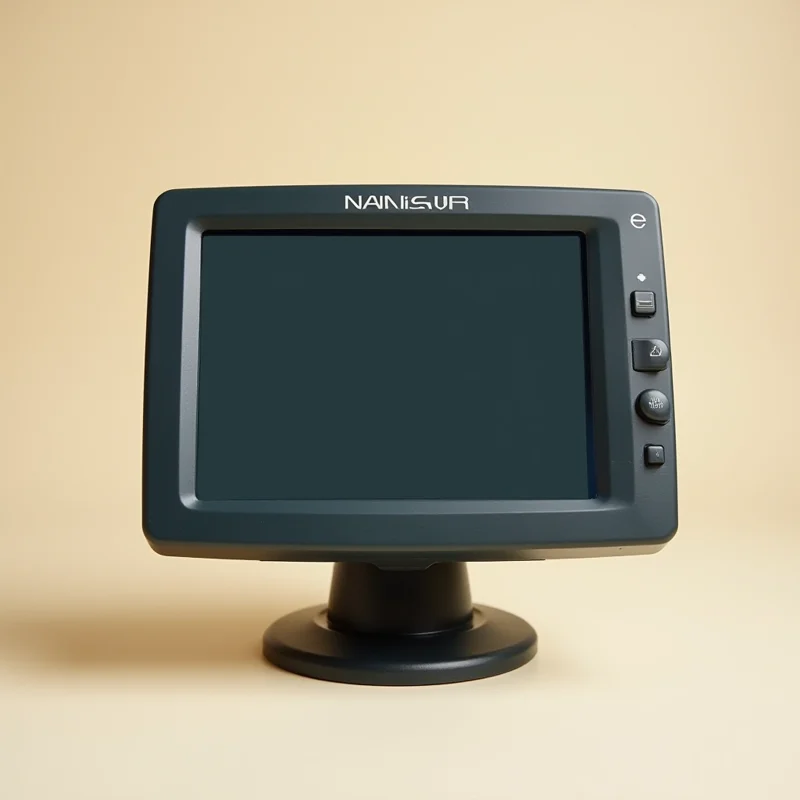
ECHOMAP UHD2 93sv
4.6(640)4.6 out of 5 stars, 640 reviews, on Amazon at the time this was writtenA 9-inch chartplotter-sonar with Navionics charts built in — the single most useful electronics purchase for a Great Lakes boat.
Optimum Electric Downrigger
4.4(190)4.4 out of 5 stars, 190 reviews, on Amazon at the time this was writtenA programmable electric downrigger that cycles baits, tracks bottom, and takes the guesswork out of fishing 100 feet down.
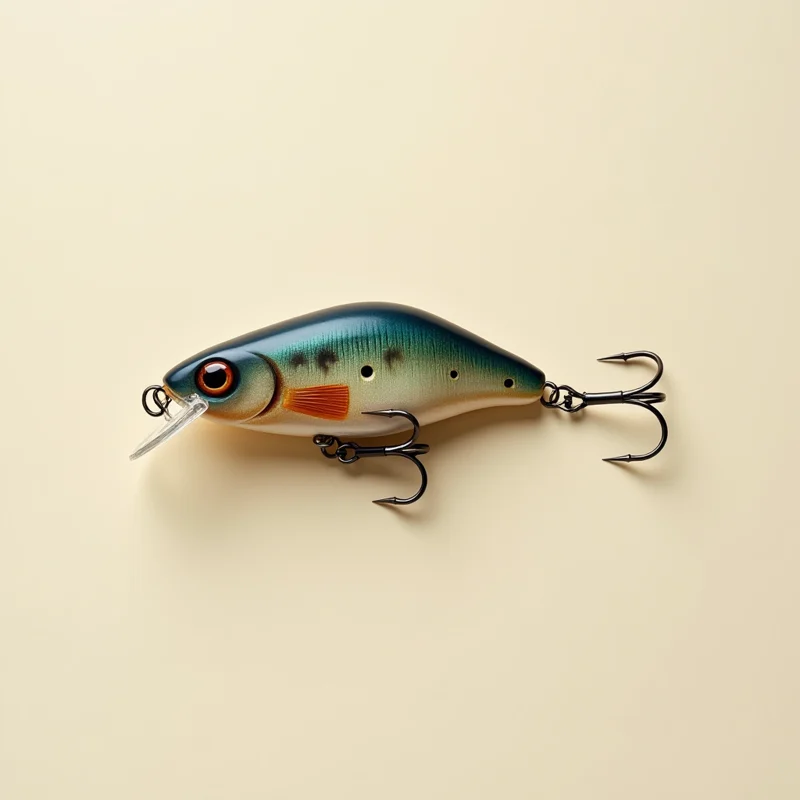
Super Slim Spoon
4.6(740)4.6 out of 5 stars, 740 reviews, on Amazon at the time this was writtenA narrow, fast-fluttering spoon built for higher trolling speeds — the steelhead and coho answer when kings are not the target.
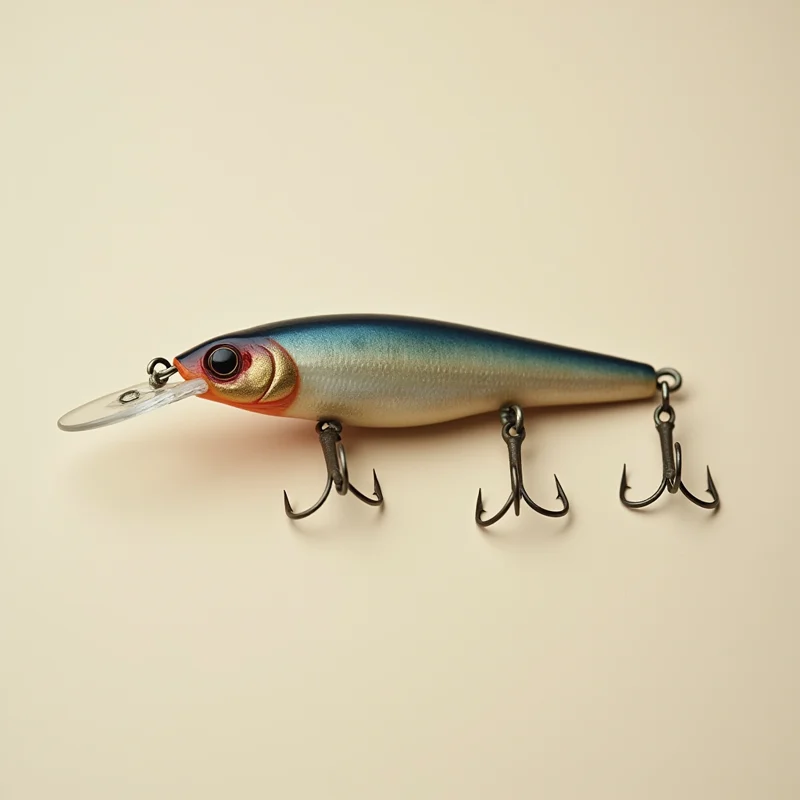
RV Series Trolling Spoon
4.7(900)4.7 out of 5 stars, 900 reviews, on Amazon at the time this was writtenA thin, high-action trolling spoon with genuinely long-lasting glow — the standard early-morning king spoon on Michigan and Ontario.
Questions
- What water temperature do king salmon prefer in the Great Lakes?
- Chinook hold most consistently in water in the mid-40s to low 50s Fahrenheit. In July on Lake Michigan that band is often 60 to 110 feet down, which is why boats run downriggers and divers instead of flat lines.
- How do I find the thermocline without a temperature probe?
- Turn your sonar sensitivity up until you see a faint horizontal haze in the water column. That band of suspended plankton and density change usually sits within a few feet of the thermocline. Confirm it against the free NOAA GLERL surface temperature maps and your own catch depths.
- Why does Lake Erie not have a reliable thermocline?
- The western basin averages about 24 feet deep and wind mixes it top to bottom most of the summer. The central and eastern basins do stratify, and the cold layer that forms there is where Erie steelhead and some of the biggest summer walleye live.
Read next
Your First Day on Lake Erie: Launch, Run, and Come Home With Fish
A realistic plan for a first Lake Erie walleye trip: forecast, launch, run, two proven presentations, and getting the fish home in good shape.
Fishing the Tributaries: Fall and Spring Runs Without Crowding Anybody
How Great Lakes steelhead and salmon runs work, what water conditions turn them on, and the river etiquette that keeps a crowded hole fishable.
Ice Fishing the Great Lakes Safely
Ice thickness numbers, pressure ridges, current, and what safe ice on the Great Lakes actually means — plus the gear that gets you back off the ice.