Complete setup
Hardwater Walleye and Perch Ice Kit
The auger, shelter, flasher and jigging setup for Saginaw Bay and western Erie ice, plus the picks you hope never to use.
Pieces
8
All in, roughly
$1,100–1,400, and the auger and shelter are most of it
Built for
Huron
Target
Walleye
What this kit does
Great Lakes ice fishing is a mobility game. Walleye and perch on Saginaw Bay or the western Erie basin move, and the anglers who catch them drill a lot of holes and sit in none of them very long. This kit is assembled around that.
The StrikeMaster Lithium 40v auger is the piece that changed the sport. A lithium auger drills fifteen or twenty holes on a charge, weighs a fraction of a gas rig, starts every time in ten-degree weather, and does not require you to carry fuel across ice. It makes searching cheap, and searching is how you find fish.
The Vexilar FL-8SE flasher is old technology and still the right answer. A flasher shows you your jig, the bottom, and any fish that comes to look, in real time with zero lag. On a shallow bay in 8 to 20 feet you will watch a walleye rise to the lure and decide. Nothing teaches jigging cadence faster than seeing a fish refuse three times and then eat on the fourth.
The 13 Fishing Tickle Stick and Black Betty inline reel are the jigging combo. The Tickle Stick’s extremely soft tip shows a perch inhaling a jig on the drop, which is the bite you otherwise miss entirely, and the inline reel drops line without the twist a small spinning reel puts in it. The Rapala Jigging Rap is the lure that finds fish: it darts in a circle, calls fish in from outside your hole, and catches both target species.
Beaver Dam tip-ups run big shiners on the perimeter while you jig. On Saginaw Bay this is standard practice: two or three tip-ups spread around a jigging hole turn one presentation into four.
The Eskimo QuickFish 3 is a pop-up hub shelter, up in two minutes, down in two, warm enough with a heater, and light enough to drag to the next spot. That mobility is why it is here instead of a permanent shanty.
The ice safety picks cost twenty dollars and go around your neck, outside your coat, every single time.
What it deliberately leaves out
No heater, no sled, no auger extension. All three you will want. All three are sizing decisions that depend on how far you walk, how many people you fish with, and how thick the ice gets where you go.
No underwater camera. Useful, fun, and a distraction while you are learning to read a flasher. Get the flasher fluent first.
No permanent shelter. A hard-sided shack is great if you fish one spot all winter. It is also the opposite of the strategy this kit is built on.
The part that is not optional
Great Lakes ice is not inland-lake ice. Saginaw Bay, western Erie and Anchor Bay all have current, wind and a shallow basin, and all three regularly produce detached floes with people on them; Erie has required helicopter rescues of more than a hundred anglers at once. Pressure cracks open and close during a day. A south wind can separate a mile of ice from shore in an hour.
Never cross a crack you are not confident you can recross. Go with someone. Carry rope. Wear the picks. Ask at a local bait shop the morning you fish, not the week before, and if the guides are not going out, do not go out.
Seasons and limits for walleye and perch differ by state and by specific water; Saginaw Bay has historically carried its own rules, and they change annually. Check the current state agency guide before you keep a fish.
Frequently asked questions
Can I save money by buying a gas auger instead of the lithium?
A gas auger costs less upfront, starts reliably in moderate cold, and drills holes indefinitely as long as you carry fuel. The tradeoffs are weight, noise, fumes inside a shelter, and cold-start problems below zero. The lithium auger weighs about half as much to carry across ice and starts instantly every time. For a strategy built on drilling many holes quickly across a large bay, the weight difference adds up over a long day. If you fish a permanent shanty and drill once, gas is a reasonable substitute.
What skill level is this kit for?
The jigging setup requires learning to read a flasher, which takes a full day on ice to start developing. The Vexilar shows you your jig and any fish in real time, and reading the response of a fish to different cadences is the core skill. Tip-up fishing is simpler and is a good way to keep lines in the water while you learn the flasher. Ice safety is a prerequisite at any skill level; the picks and knowledge of local conditions are non-negotiable from day one.
What else will I need that is not in this kit?
A propane heater rated for enclosed spaces and a sled to haul gear. Ice cleats for slippery mornings. A spud bar or chisel for testing ice thickness as you travel. The current season dates and bag limits for walleye and perch on the specific water you are fishing, which differ between Michigan, Ohio, and the specific bay. Live bait (emerald shiners) is not in any kit.
Does this kit work on all Great Lakes ice?
It is designed around Saginaw Bay and western Erie, where walleye and perch are the primary species and the ice is accessible. The same setup works on Lake St. Clair’s ice and on protected Michigan shore bays. It does not apply to Superior, which does not form reliable fishable ice on most of its shoreline. Know the specific water you are going to and get local ice reports the morning you go out.
How long will a lithium auger battery hold up?
Battery capacity degrades over time; most lithium augers hold their full capacity for three to five seasons of regular use before drilling speed drops noticeably. A fully charged battery on a new unit drills 40 to 60 holes in moderate ice. In extreme cold, below about minus 10 degrees Fahrenheit, capacity drops; keep the battery inside your coat until you are at the hole. Replacement batteries are available from the manufacturer.
The list
Every piece, in order
- 01
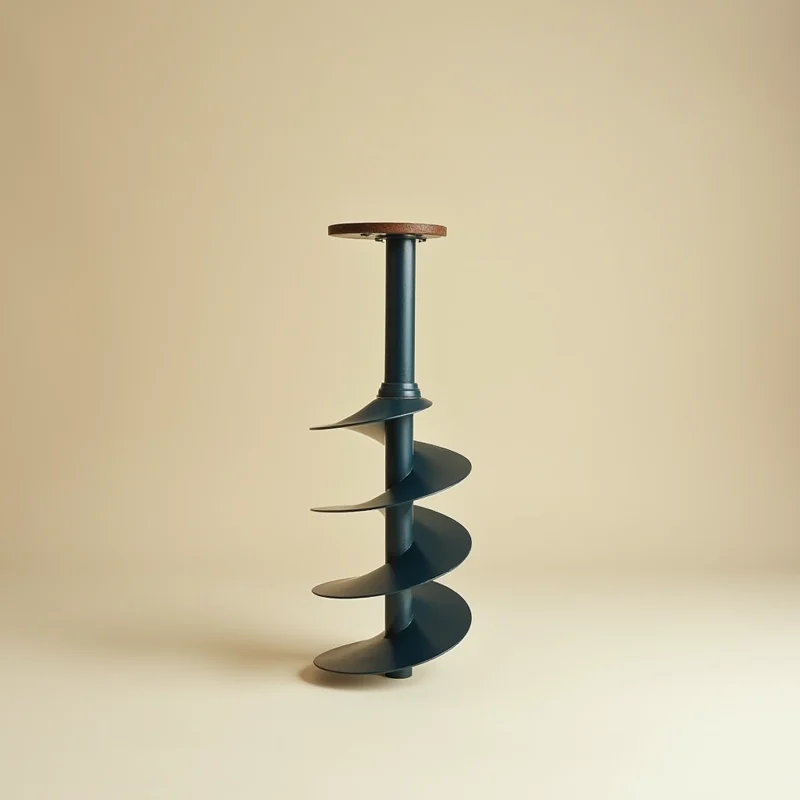
Lithium 40v Ice Auger
4.5(980)4.5 out of 5 stars, 980 reviews, on Amazon at the time this was writtenA cordless auger that cuts forty-plus holes in Saginaw Bay ice on one battery and never asks you to carry gas onto the lake.
- 02
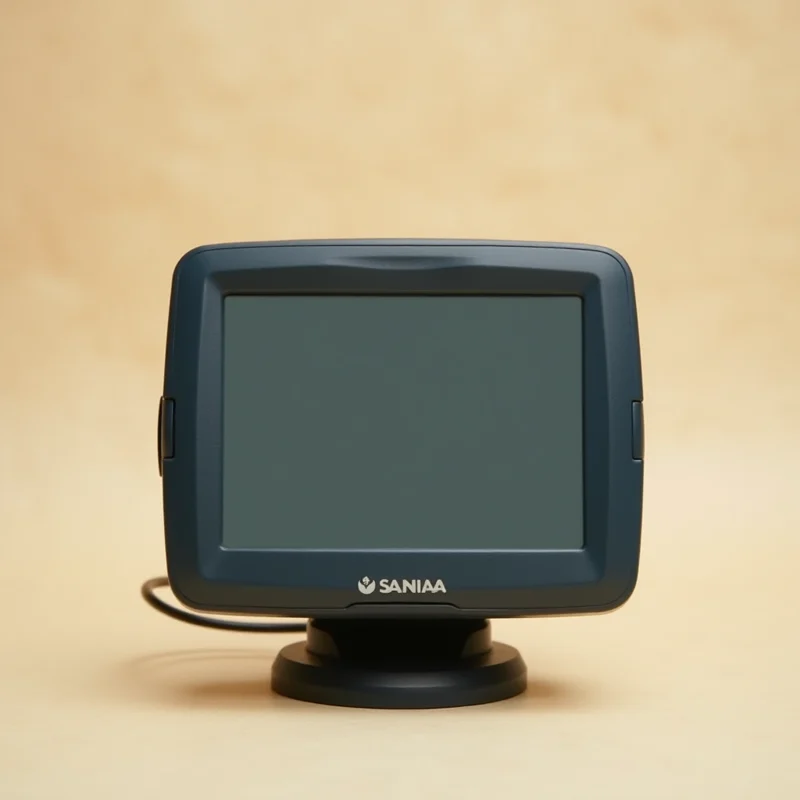
FL-8SE Ice Flasher
4.7(1,300)4.7 out of 5 stars, 1,300 reviews, on Amazon at the time this was writtenThe ice flasher that has been the standard for thirty years — zero lag, and it shows your jig and the fish coming to it.
- 03
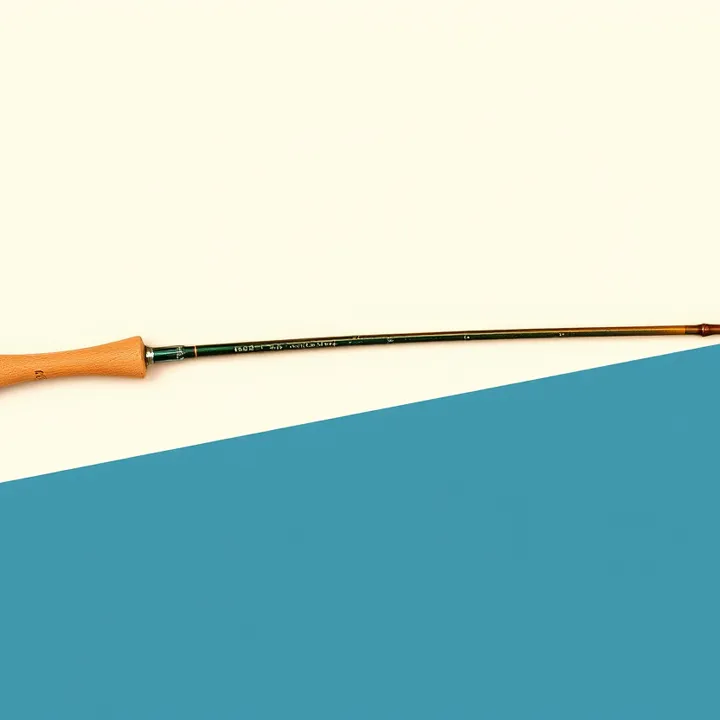
Tickle Stick Ice Rod
4.5(4,200)4.5 out of 5 stars, 4,200 reviews, on Amazon at the time this was writtenThe ice rod that made a soft, evenly-loading tip standard — it shows you perch bites you would otherwise never feel.
- 04
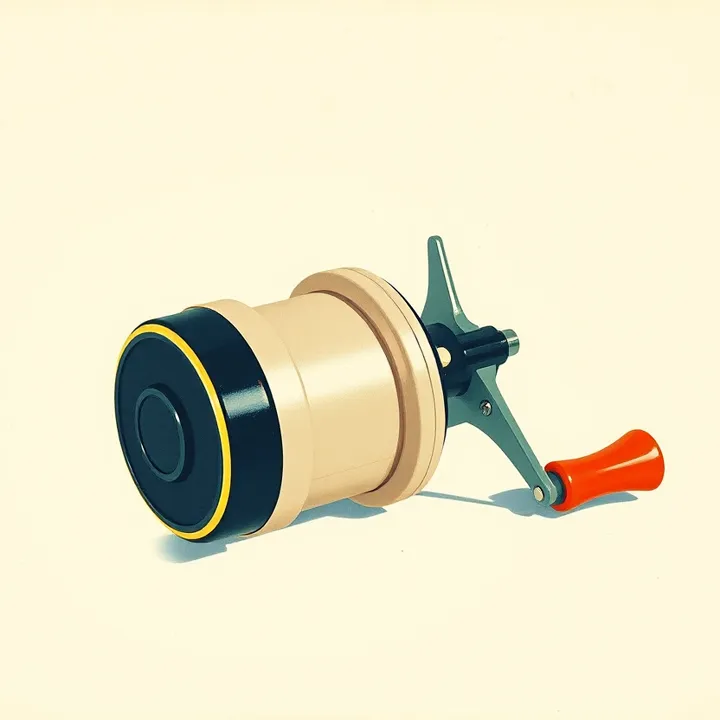
Black Betty Inline Ice Reel
4.4(1,800)4.4 out of 5 stars, 1,800 reviews, on Amazon at the time this was writtenAn inline ice reel that drops a jig straight down without spinning it, which is the difference between a bite and a look.
- 05
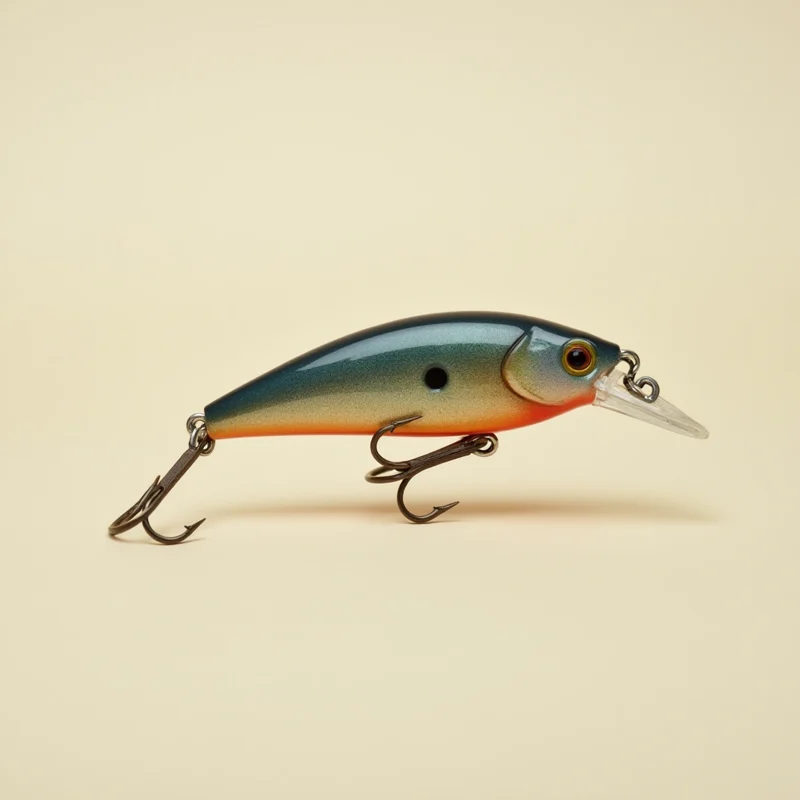
Jigging Rap
4.7(6,100)4.7 out of 5 stars, 6,100 reviews, on Amazon at the time this was writtenA balanced swimming jig that darts in a circle on the lift and glides back — the most productive ice lure ever made.
- 06
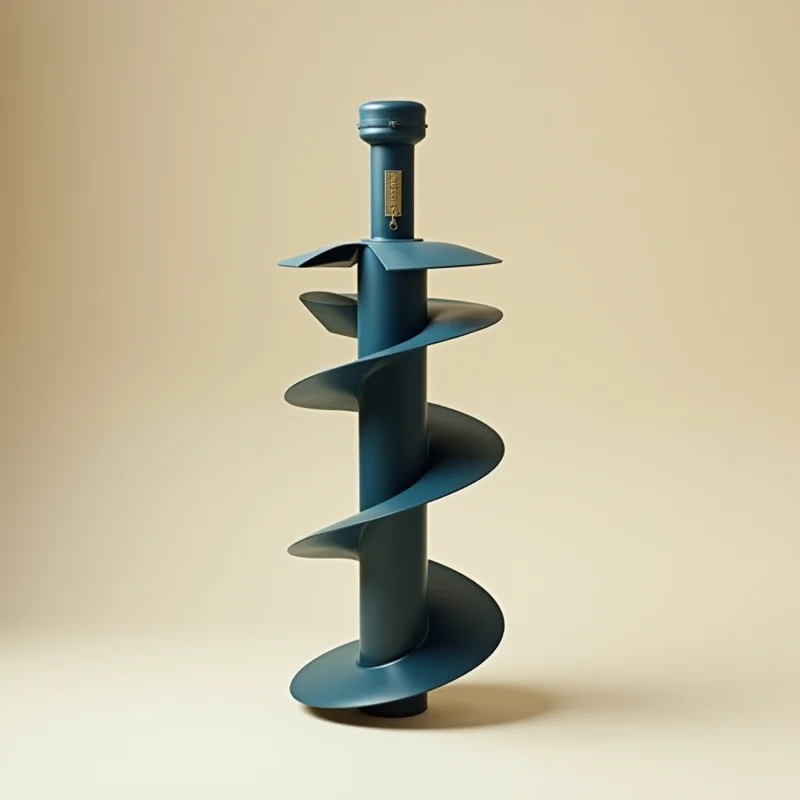
Original Tip-Up
4.7(1,680)4.7 out of 5 stars, 1,680 reviews, on Amazon at the time this was writtenThe wooden tip-up that has been catching Great Lakes pike since the 1940s, with a sealed underwater spool that does not freeze up at fifteen below.
- 07
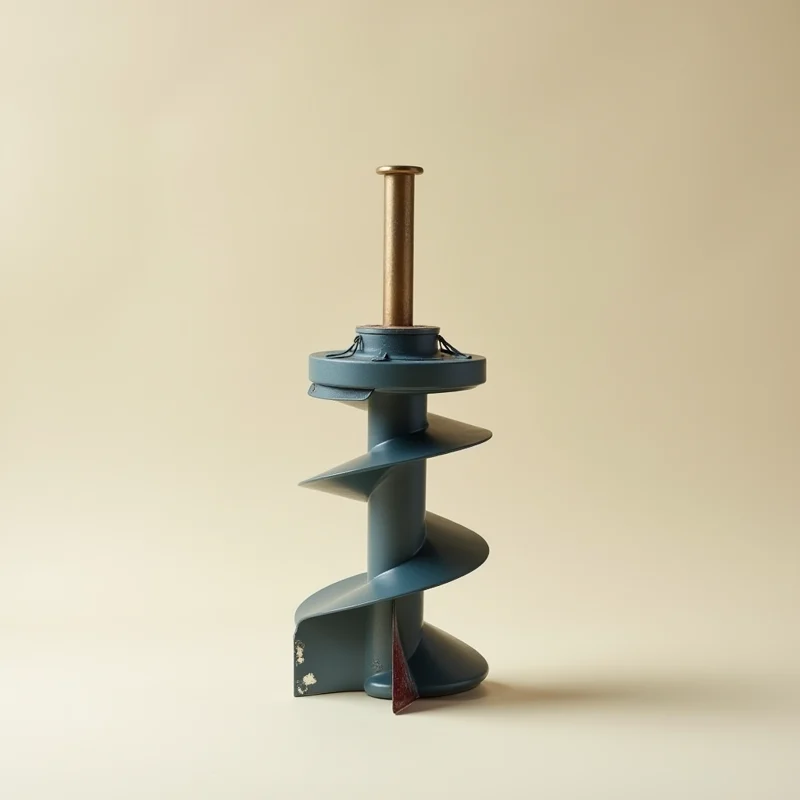
QuickFish 3 Pop-Up Shelter
4.4(3,400)4.4 out of 5 stars, 3,400 reviews, on Amazon at the time this was writtenA hub shelter that goes up in under a minute and gives two anglers a windbreak, which on a Great Lakes bay is the difference between a full day and two hours.
- 08
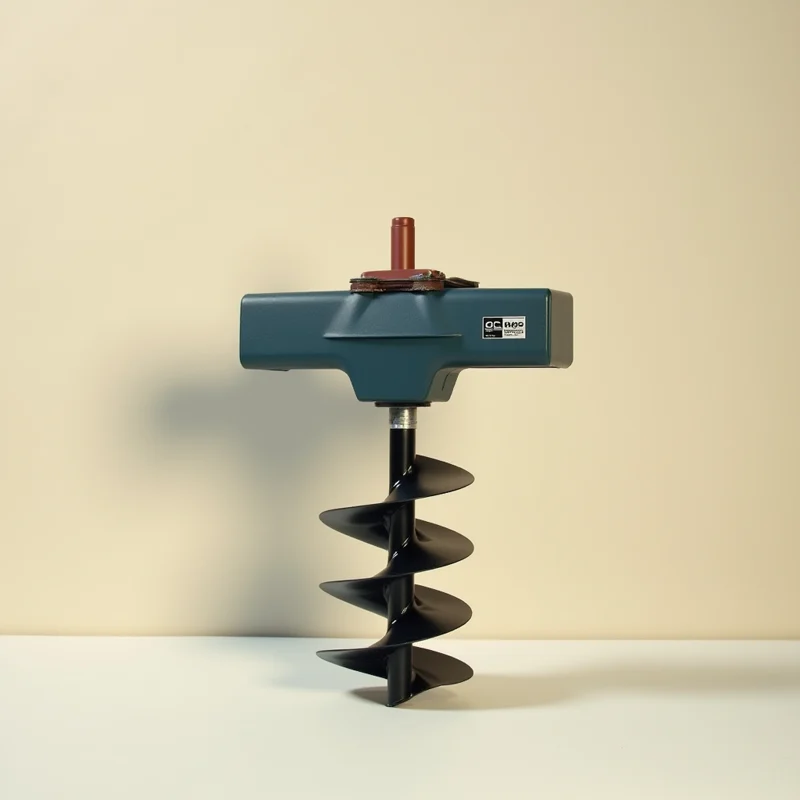
Ice Safety Picks
4.6(2,900)4.6 out of 5 stars, 2,900 reviews, on Amazon at the time this was writtenTwo steel awls on a cord around your neck. The cheapest piece of gear that has ever saved a Great Lakes angler's life, and the most commonly skipped.