Complete setup
Lake Michigan King Salmon Downrigger Kit
The deep-water trolling setup that reaches the 45-degree band where summer chinook actually live.
Pieces
8
All in, roughly
$1,400–1,900, and the downrigger is most of it
Built for
Michigan
Target
Chinook Salmon
What this kit does
Summer kings on Lake Michigan live in a narrow temperature band, usually somewhere between 60 and 130 feet down over several hundred feet of water. Nothing you can cast reaches that. This kit exists to put a bait at a known depth, at a known speed, and to keep it there for hours.
The Cannon Optimum is the expensive item and the reason the kit works. An electric downrigger with a depth counter and auto-stop lets one person run multiple rods, retrieve a 10-pound ball without wrecking a shoulder, and put the bait back at exactly the depth that just produced a fish. The Big Jon rod holders are what make the rest of the boat usable; a serious salmon spread is six to ten lines and every one of them needs a home.
The Shimano Talavera is a long, moderate trolling rod that loads into a downrigger release and absorbs the shock of a chinook eating at 2.4 mph. The Tekota line counter does the same job it does everywhere: repeatability. When a rod fires, the numbers on the counter and the rigger are the recipe, and you want to be able to rebuild it exactly.
Dipsy divers are the second delivery system and they are not redundant. A dipsy planes out to the side as well as down, which spreads baits away from the boat and covers water the riggers never touch. On a bright calm day, that lateral separation is often the whole difference.
For baits, two families cover nearly all of it. Moonshine RV spoons are the glow-finish trolling spoon the Lake Michigan fleet runs at first light and in deep low-light water. Spin Doctor flashers run ahead of a fly or meat rig and are the highest-percentage king presentation once the sun is up. Between them you have morning and midday covered.
PowerPro braid for the rigger rods. No stretch means the release fires clean and the hookset actually reaches a fish 90 feet down.
What it deliberately leaves out
No copper or lead core. Both are outstanding and both are the next thing you buy. They are also a different rod, a different reel and a different mental model you are measuring depth by line length rather than by ball depth. Learn riggers and dipsies first or you will be managing tangles instead of fishing.
No second downrigger. You want one eventually, probably two. Start with one, learn to read the ball depth against the temperature probe, and add the second when you know why you want it.
No temperature probe. It is the single best upgrade to this kit and it is deliberately not in it, because probe choice depends on your rigger and your electronics. Budget for one after your first season.
No safety gear. That is not an oversight; it is a separate kit and it is not optional. See the big-water safety kit. Nobody has ever drowned from being under-tackled.
No net. A big salmon net is boat-specific and awkward to recommend blind. Get one with a hoop bigger than you think and a handle longer than you think.
Salmon and trout limits differ between Michigan, Wisconsin, Indiana and Illinois on this one lake and change from year to year. Read the current guide from the state whose water you are fishing.
Frequently asked questions
Can I start with a manual downrigger to save money?
A manual downrigger in the $200-300 range retrieves the ball by hand, which on a 10-pound ball at 90 feet is real physical work, especially when you are running multiple rods and actively fishing a spread. The electric counts depth automatically and stops at a set depth, which is a functional advantage for repeatability. If a manual unit is what the budget allows for a first season, it works. The tradeoff is fatigue and slower ball retrieval when a rod fires.
What skill level is this kit for?
Running a downrigger spread is not beginner technique. This kit assumes you can navigate the lake safely, have some trolling experience, and understand how to manage rod placement in a moving spread. If you are new to Great Lakes salmon trolling, a charter trip first is a better investment than buying this gear before you know how to use it. Guides on Michigan ports teach the boat work along with the fishing.
What else will I need that is not in this kit?
A temperature probe for the downrigger cable, which is the single best upgrade for reading the thermocline. A net large enough for a 30-pound chinook. Adequate safety gear for offshore Michigan water (see the big-water safety kit). Current salmon licenses and limits for the state water you are fishing, which vary between Michigan, Wisconsin, Indiana, and Illinois on the same lake. Flies or meat rigs to run behind the flashers.
Does this kit work on Lake Ontario or Lake Huron?
The same tackle works on both, with adjustments. Ontario is the other major king salmon lake and shares the same temperature-band trolling approach. Lake Huron’s salmon fishery is less consistent than it was two decades ago, though lake trout and steelhead provide solid downrigger fishing in the northern basin. The Cannon, Shimano, and line-counter system are general enough to carry across all three lakes.
How long will a downrigger last with regular use?
A well-built electric downrigger with annual maintenance (rinsed after each trip, cable drum and boom pivot lubricated, cable inspected for kinks) lasts ten to fifteen years or more. The cable is the consumable: inspect it for broken strands before each season and replace it before it fails. The rods and reels, properly rinsed and stored, are also multi-decade investments.
The list
Every piece, in order
- 01
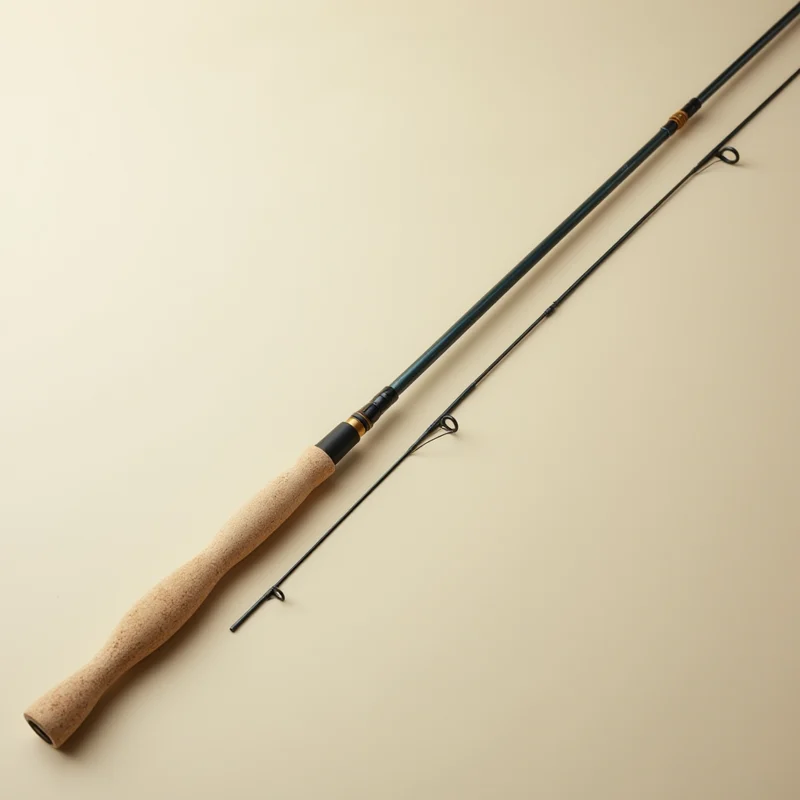
Talavera Trolling Rod
4.6(640)4.6 out of 5 stars, 640 reviews, on Amazon at the time this was writtenA step up from budget glass — better guides, better reel seat, and enough backbone to run a big Dipsy without folding.
- 02
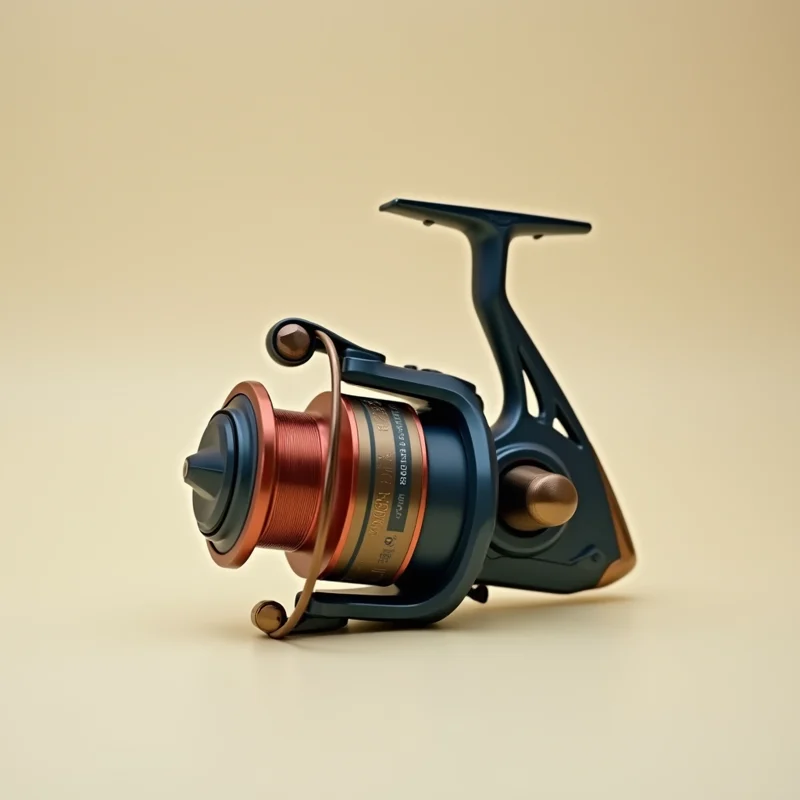
Tekota A Line Counter
4.8(1,600)4.8 out of 5 stars, 1,600 reviews, on Amazon at the time this was writtenThe reel the charter fleet actually runs, with a drag that stays smooth through a 20-pound king's third run.
- 03
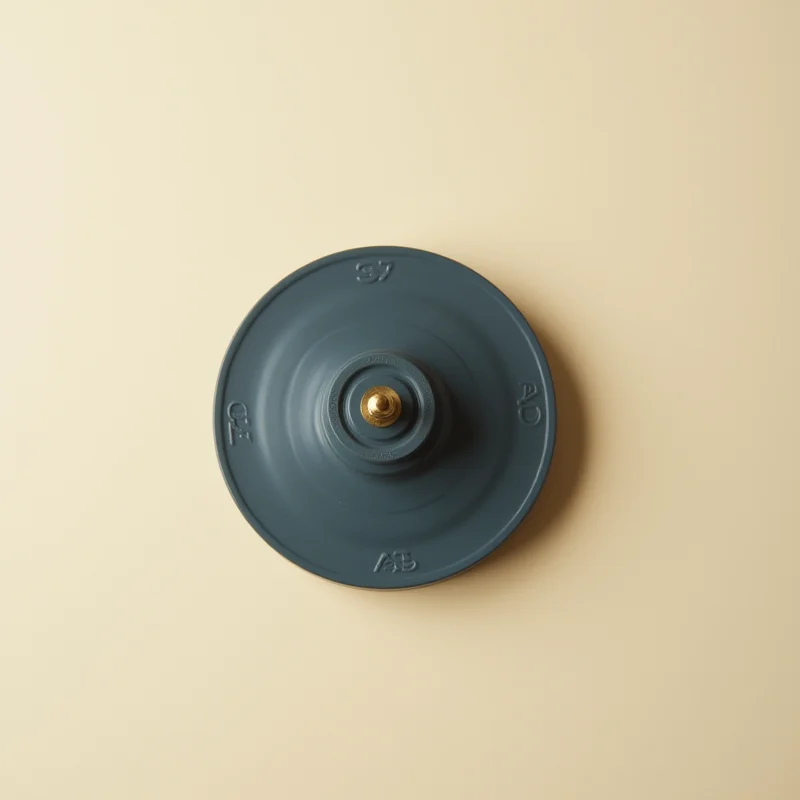
Optimum Electric Downrigger
4.4(190)4.4 out of 5 stars, 190 reviews, on Amazon at the time this was writtenA programmable electric downrigger that cycles baits, tracks bottom, and takes the guesswork out of fishing 100 feet down.
- 04
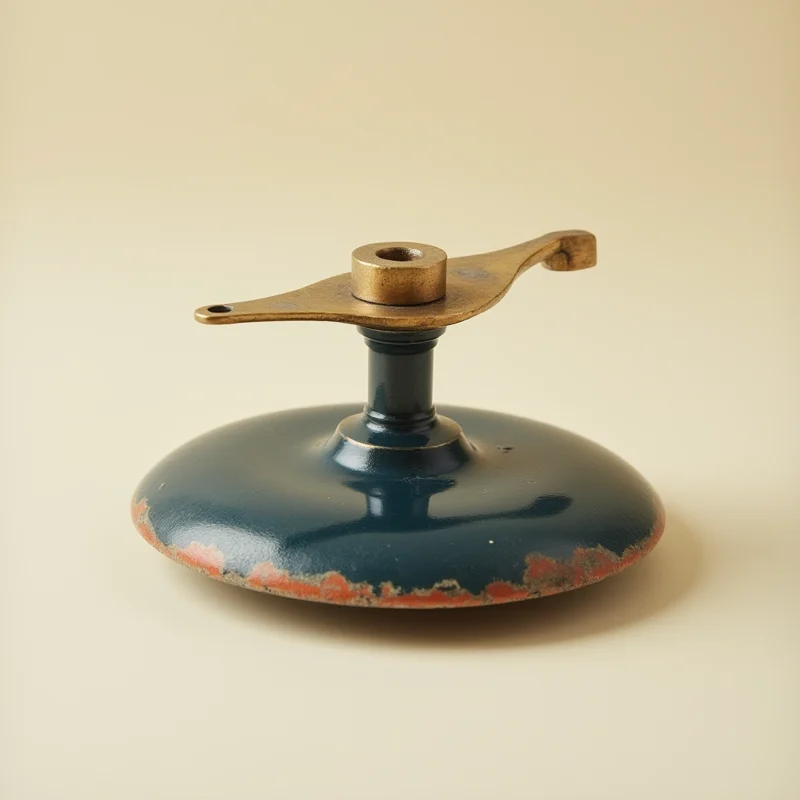
Adjustable Rod Holder
4.6(420)4.6 out of 5 stars, 420 reviews, on Amazon at the time this was writtenA cast-aluminum rod holder that will not fold when a 10-pound king loads a rod at 2.5 mph.
- 05
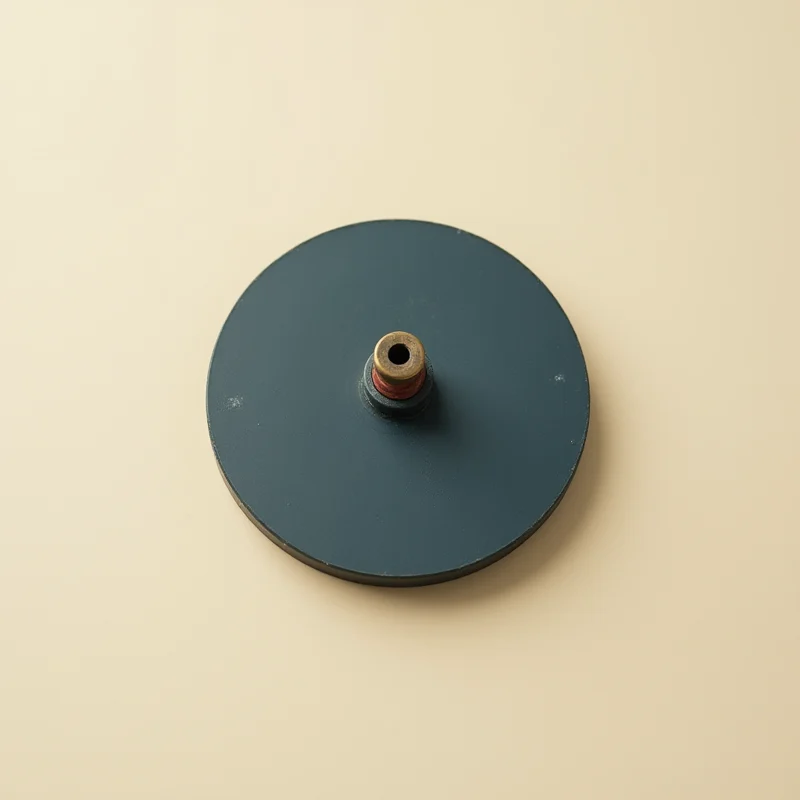
Dipsy Diver
4.6(3,800)4.6 out of 5 stars, 3,800 reviews, on Amazon at the time this was writtenA directional diving disc that takes a bait down and out to the side — the cheapest way to widen a trolling spread.
- 06
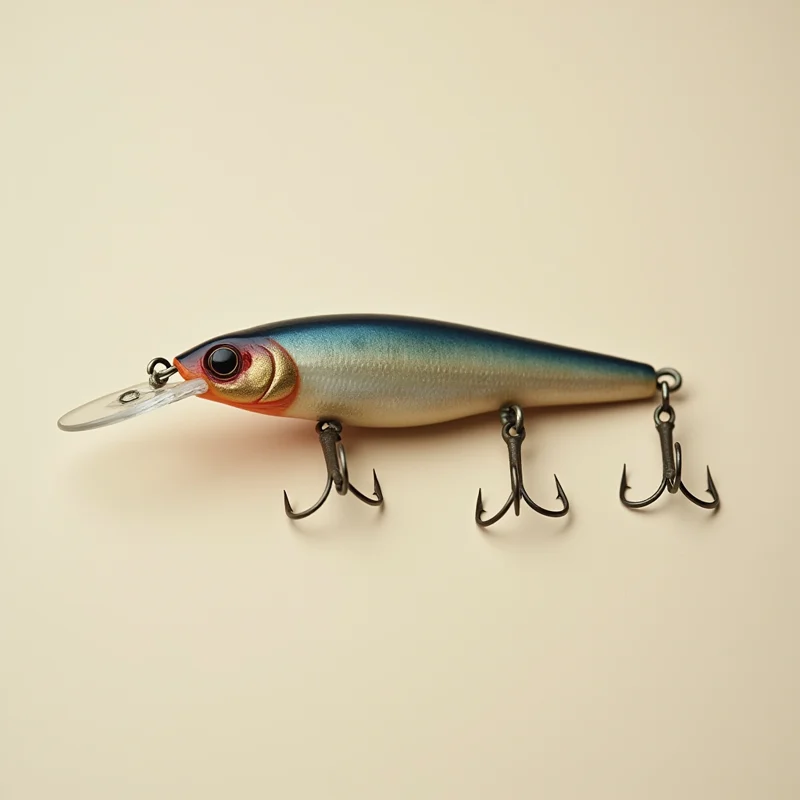
RV Series Trolling Spoon
4.7(900)4.7 out of 5 stars, 900 reviews, on Amazon at the time this was writtenA thin, high-action trolling spoon with genuinely long-lasting glow — the standard early-morning king spoon on Michigan and Ontario.
- 07
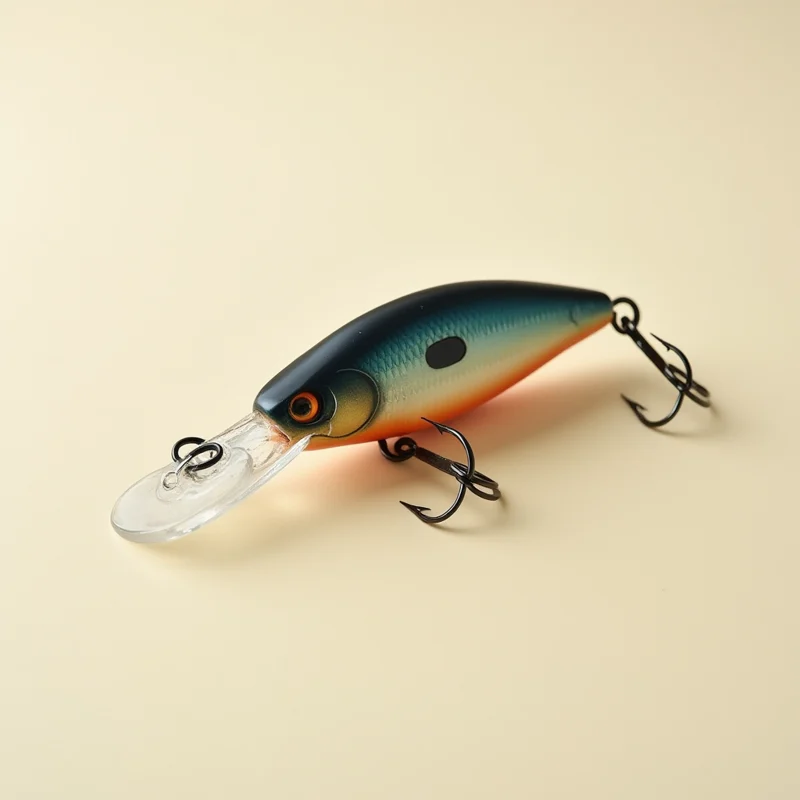
10-inch Flasher
4.5(830)4.5 out of 5 stars, 830 reviews, on Amazon at the time this was writtenThe value flasher — a smaller, lighter rotator that pulls less than an 11-inch chip and still drives a fly hard.
- 08
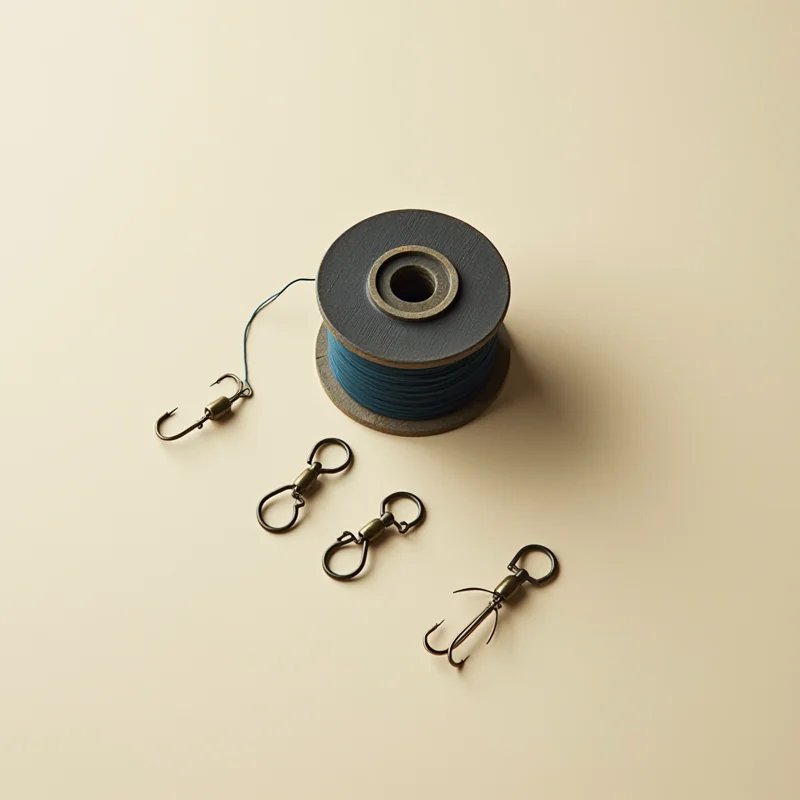
Spectra Braided Line
4.6(11,400)4.6 out of 5 stars, 11,400 reviews, on Amazon at the time this was writtenThe default braid on half the jigging rods in the system, and it holds up to zebra-mussel-scarred structure better than it has any right to.