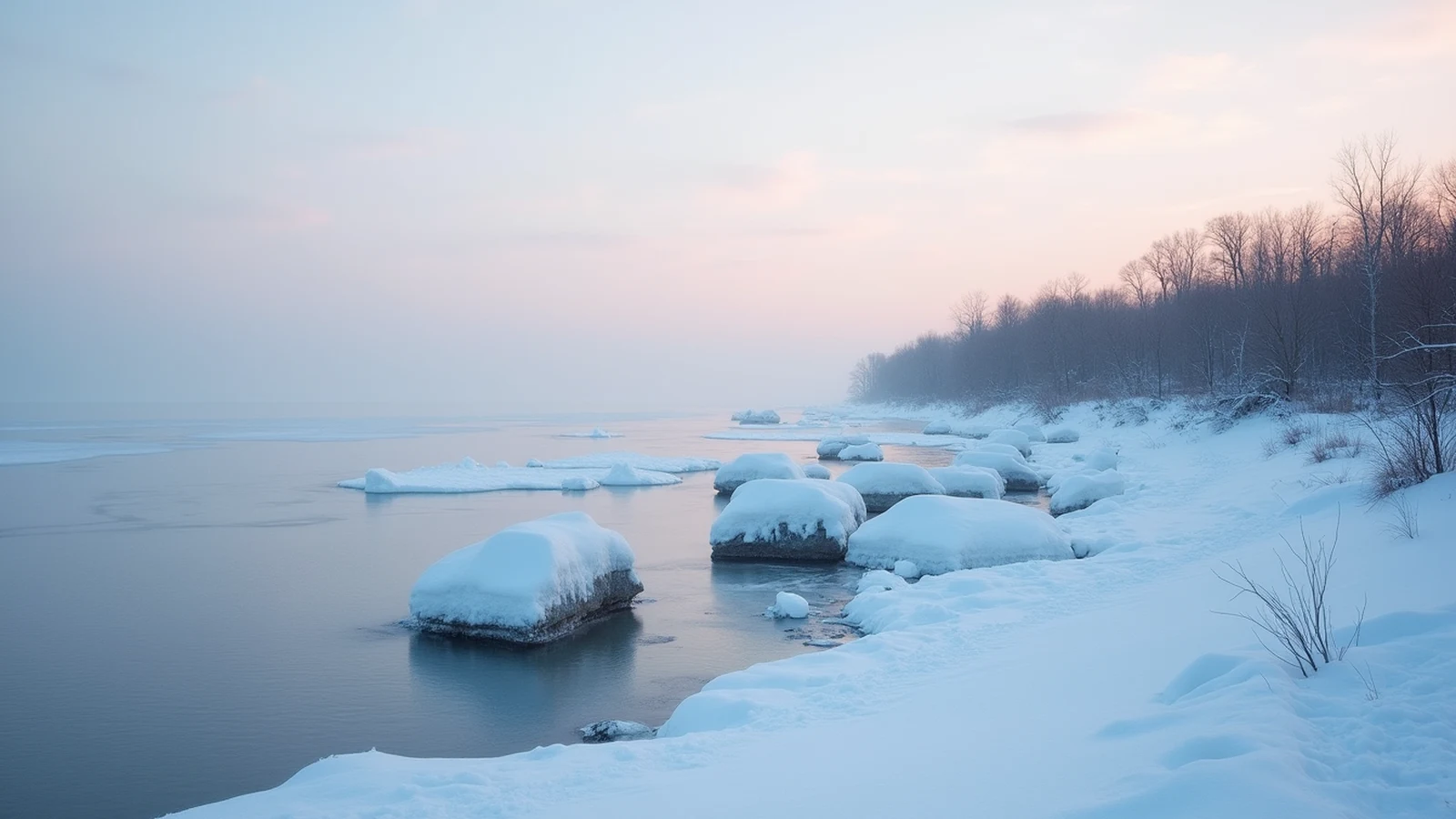
fishing · Lake Superior
Lake Whitefish: Finding and Jigging the Great Lakes' Deep-Water Staple
What a lake whitefish is, where it holds on Superior, Huron and Michigan, and how to jig one up from a deep flat through the ice or from a boat.
Trip gear · Amazon affiliate picks
Gear mentioned in this guide
Compare the exact model and fit before adding anything to your setup.
A lake whitefish is a silver member of the trout and salmon family with a small, downward-facing mouth. It feeds near the bottom in Superior, Huron and Michigan. The site’s whitefish overview puts a typical fish at 2 to 4 pounds and an 8-pounder in trophy territory. About 60 feet is a useful depth to investigate, but each bay is different.
This guide covers where to look, when to go, and how to present a lure once you find fish.
What you are fishing for
The whitefish has a small, downward-facing mouth and feeds on or near the bottom. Adults eat bottom-dwelling invertebrates and some small fish, as the Minnesota DNR species profile explains. A small minnow-profile lure is an option alongside a spoon; do not assume fish in every bay are eating the same prey.
Start your presentation near bottom. The lift-and-pause approach described on the site’s lake pages gives a following fish time to take the lure. Watch the fish’s response and adjust the pause.
Where they live, lake by lake
The three lakes that carry the fishery fish differently. Our lake pages cover the water in detail; this is the short version.
Lake Huron. The Huron whitefish page describes the Les Cheneaux channels near Cedarville and Hessel as a winter starting point, with flats in roughly 25 to 60 feet. It also covers Munuscong Bay, Drummond Island and Thunder Bay. Channels can have current and uneven ice; a protected setting is no guarantee of a safe route.
Lake Superior. The Superior whitefish page describes a 50-to-80-foot working range on some winter flats and names Keweenaw Bay near L’Anse and Baraga, Chequamegon Bay near Ashland and Washburn, and Munising Bay. Michigan DNR also lists Keweenaw and Munising bays among its ice-fishing destinations. Check ice locally; even a sheltered bay can be unsafe.
Lake Michigan. The Michigan whitefish page describes Grand Traverse Bay boat fishing on 60-to-120-foot flats and winter fishing in roughly 30 to 80 feet where ice conditions permit. It also covers the Bays de Noc and the Door Peninsula. Use those ranges to plan a search, not as a promise that fish or safe ice will be there.
The species overview covers identification and the broader Great Lakes range.
When to go
Fall and winter are the main windows described in the lake pages. The Minnesota DNR species profile confirms fall spawning over shallow rock and gravel. The site’s lake pages suggest roughly 15 to 40 feet for fall reef fishing, but timing and fishable depth vary. Read the current regulations before planning a trip around spawning fish.
In winter, look for bottom-oriented fish on flats beneath verified safe bay ice. Grand Traverse Bay offers an open-water boat option when weather and access allow; do not treat a calendar month as a guarantee of open water or safe ice.
The lift and the stop
Drop the lure to the bottom. Lift it sharply 8 to 12 inches. Then stop completely and wait.
The pause gives a following fish a chance to take the lure. If marks approach and leave, shorten the lift or lengthen the pause before changing spots.
The lake pages suggest a 1/4-to-1/2-ounce jigging spoon or small jigging minnow lure through the ice. In deeper boat water they suggest 1/2 to 1 ounce to reach bottom and keep contact. A Rapala Jigging Rap 07 is one minnow-profile option, but check the lure’s actual weight and your rod’s rating before pairing them. The linked buying option is for the silver 07, not every size or finish.
Where bait use is allowed, try a waxworm, a couple of spikes or a minnow head on the lure. Check local bait rules, including restrictions on transporting live minnows.
Reading the flasher
At 60 feet, sonar can show your lure and fish near bottom. A flasher-style display helps you time a lift or pause to a mark, though it cannot identify that mark as a whitefish. The wider choices of sonar are in Sonar for the Great Lakes.
If a mark rises from bottom and stalls beneath the lure, stop moving and watch. If it drops back, try one short lift. Sonar cone width and bottom composition affect what you can distinguish, so use the display as feedback rather than a species diagnosis.
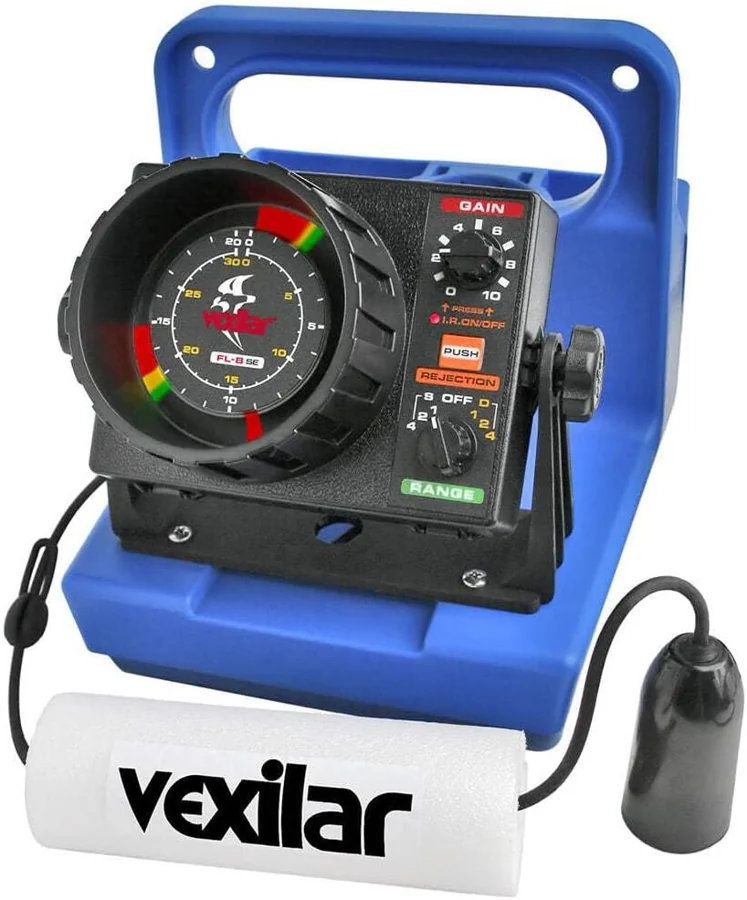
The Vexilar FL-8se Genz Pack is a flasher option for this job. Its live analog display shows returns without a recorded history; separation of a jig from a nearby fish depends on depth, bottom and settings. Check that the selected 19-degree transducer and power package suit your water. A flasher helps you read a spot after you drill it; move only along a route you have checked for safe ice.
Rods, reels and line
Whitefish have small mouths, so a sensitive tip helps show light takes and a controlled drag helps keep a hooked fish on. The Huron lake page describes a light ice setup with 4-to-6-pound line. Match line and rod to the actual lure weight, depth and conditions.
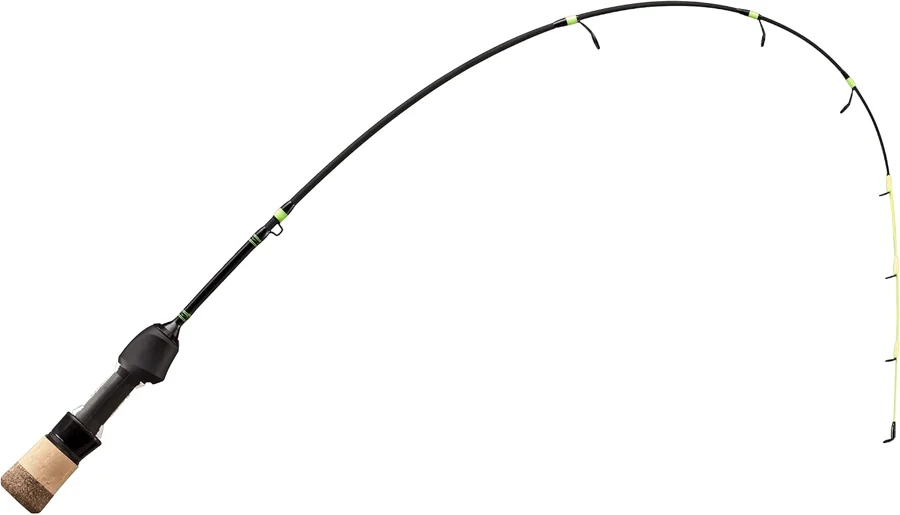
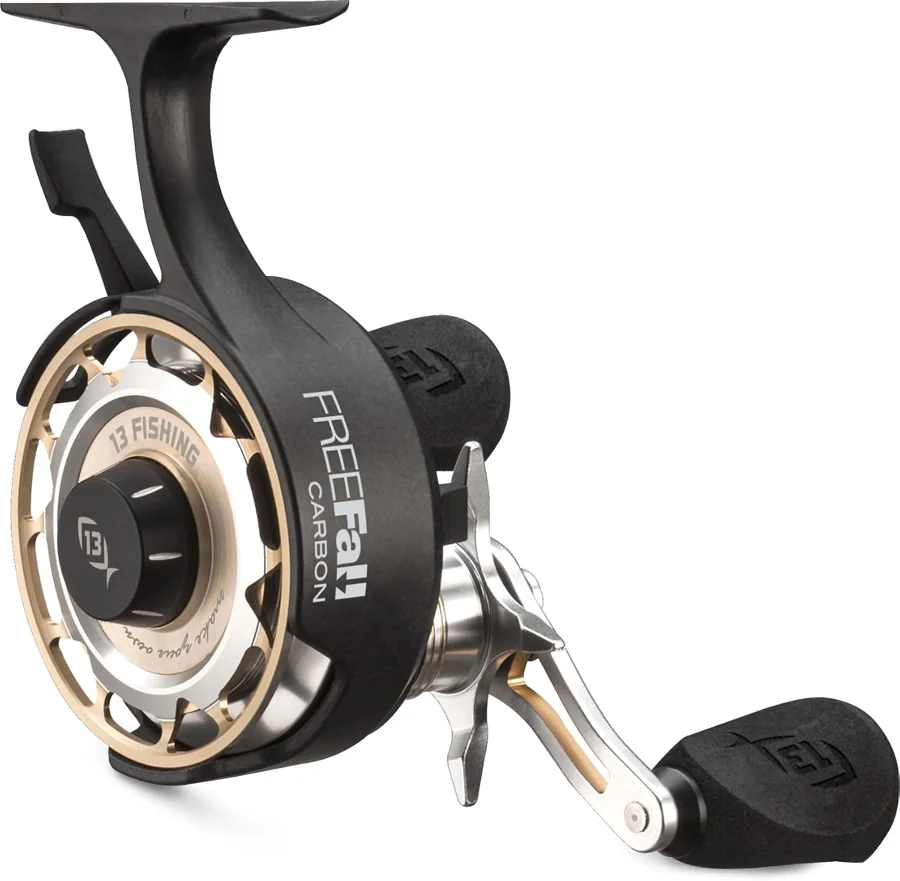
The Tickle Stick Gen 3 is a 23-inch ultra-light rod suited to lighter presentations. Check its lure rating before using the heavier spoons or Jigging Rap described above; choose a stronger rod if the lure exceeds that rating. The FreeFall Carbon Inline Ice Reel has a trigger that disengages the spool when pressed and re-engages it when released. The linked version is right-hand retrieve; the left-hand model is a separate variant.
Deep Michigan boat work is a different job. The lake page recommends braid there for feel and hookset. That is a different outfit from the light ice setup, and not one to improvise on the way to the boat ramp.
Two lines, six feet apart
The Huron lake page describes one jigging hole and a tip-down or light deadstick about six feet away, with a small minnow 6 to 12 inches off bottom where bait and a second line are legal.
The spoon can draw fish toward the still bait. Watch both lines and keep each under your control.
How many lines you may fish is a regulation. It varies by state and water. Confirm the current rule before you set a second line.
Ice safety comes first
Deep water and current make a mistake on Great Lakes ice serious. Read Ice Fishing the Great Lakes Safely before your first trip. The Michigan DNR ice safety page says there is no universally safe thickness: test ice quality and thickness along your route, watch for current and weak shore ice, and check current local conditions.
Carry ice safety picks where you can reach them immediately. They are a rescue tool, not a way to make bad ice acceptable. Wear flotation, carry a throw rope and communication device, and fish with a partner.
The hardwater walleye and perch ice kit shows how an auger, flasher and shelter fit together into a working ice setup. Much of it carries over to whitefish. The depth is the difference: more line on the reel, and a flasher that reads cleanly at 60 feet.
Rules and the table
Regulations for whitefish are not uniform. Michigan, Wisconsin and Minnesota each set their own, and treaty waters in the northern lakes bring additional considerations. Commercial and sport rules differ. Seasons, limits and spawning-period closures change from year to year.
This guide does not state any of them. Check the current rules with the Michigan DNR, the Wisconsin DNR or the Minnesota DNR before you drill a hole.
If you keep a legal fish, chill it promptly and follow current fish-consumption advice for the water where it was caught.
Compare the gear for this guide
As an Amazon Associate we earn from qualifying purchases. Check the exact model, size and current availability on Amazon before buying.
Tickle Stick Gen 3 (23-inch Ultra Light)
- Good fit for
- yellow perch, whitefish, ice
- Why consider it
- This is the perch-light end of the kit; choose a separately rated rod for heavier walleye jigs
- Keep in mind
- Availability can change; confirm the exact selection and included components before ordering
- Before choosing
- Match rod length, power and lure rating to your technique and reel.
FreeFall Carbon Inline Ice Reel (Right Hand)
- Good fit for
- walleye, yellow perch, whitefish
- Why consider it
- FreeFall trigger disengages the spool and re-engages it when released
- Keep in mind
- The verified destination is right-hand retrieve; the left-hand model is a separate variant
- Before choosing
- Check reel size, line capacity and left/right-hand configuration.
FL-8se Genz Pack (19-Degree Transducer)
- Good fit for
- walleye, yellow perch, whitefish
- Why consider it
- Analog flasher has no processing delay at all; the fish moves, the display moves
- Keep in mind
- No recording, no history, no screen you can show anyone later — it is a live dial only
- Before choosing
- Check power supply, mounting hardware and transducer compatibility.
Keep exploring
More from the field guide
Mentioned above
Gear from this guide
Tickle Stick Gen 3 (23-inch Ultra Light)
This is the perch-light end of the kit; choose a separately rated rod for heavier walleye jigs.
FreeFall Carbon Inline Ice Reel (Right Hand)
Right-hand inline ice reel with a FreeFall trigger, carbon-fiber frame and 2.5:1 retrieve.
FL-8se Genz Pack (19-Degree Transducer)
The ice flasher that has been the standard for thirty years — zero lag, and it shows your jig and the fish coming to it.
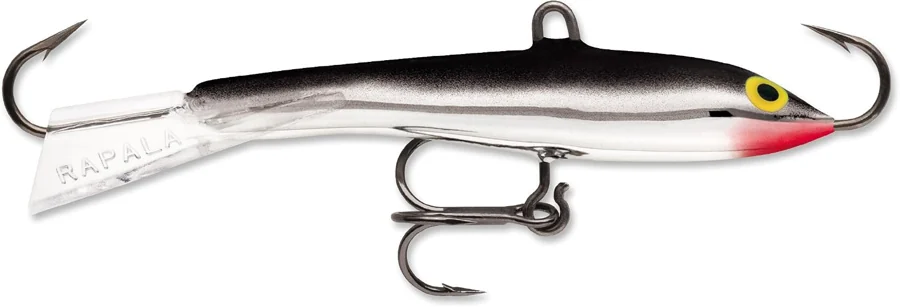
Jigging Rap 07 (Silver)
Selected silver Jigging Rap 07 is the original Jigging Rap family
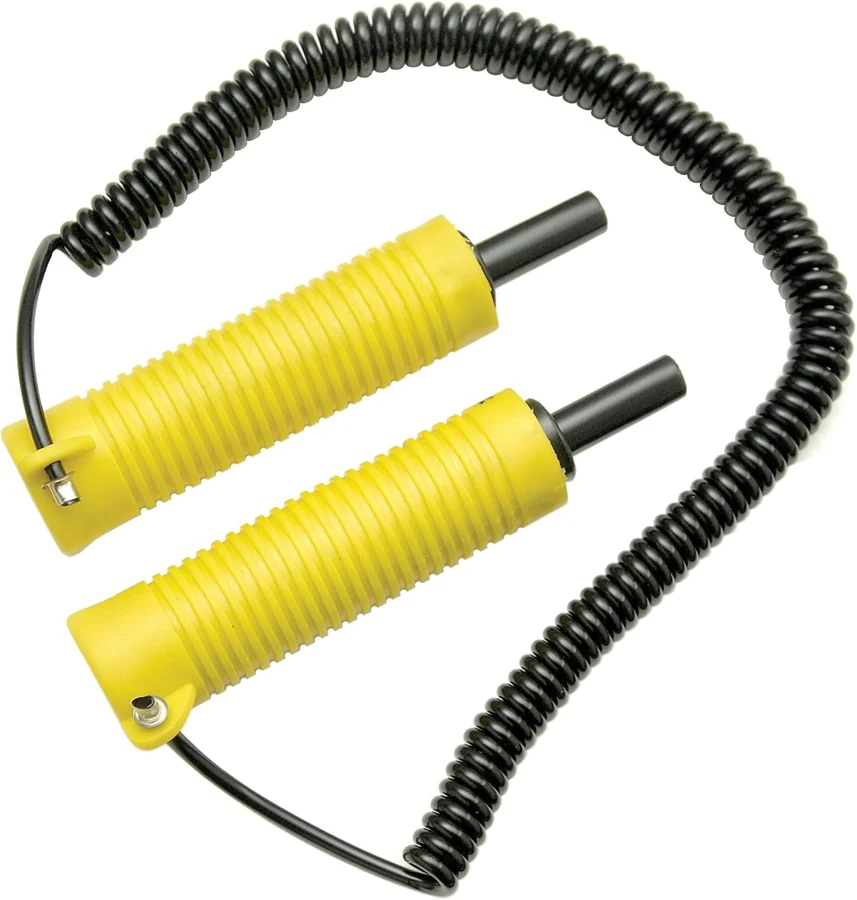
Ice Safety Picks
Two steel awls on a cord around your neck. The cheapest piece of gear that has ever saved a Great Lakes angler's life, and the most commonly skipped.
Questions
- What is a lake whitefish?
- A silvery member of the trout and salmon family with a small, downward-facing mouth. It feeds near the bottom in the Great Lakes, including Superior, Huron and Michigan. The site's species overview lists 2 to 4 pounds as typical and 8 pounds or more as a trophy.
- When can you catch lake whitefish?
- Fall and winter are common fishing windows. Whitefish move to shallow rocky areas to spawn in fall, and anglers jig deeper water through safe ice in winter. Grand Traverse Bay can also be fished from a boat when conditions allow. Check the current rules for your water before going.
- How deep do you fish for whitefish?
- Roughly 60 feet is a starting point, not a fixed depth. The site's lake pages describe Huron's protected northern water as shallower, some Superior flats as deeper, and Grand Traverse Bay boat fishing as deeper still. Use a depth chart and sonar to find fish near bottom.
- What are the whitefish limits and seasons?
- They differ by state, by water, and by year, and treaty waters add their own considerations in the northern lakes. Check the current rules with the Michigan DNR, Wisconsin DNR or Minnesota DNR before you fish.
Read next
Lake Erie yellow perch: spreader rigs and finding schools in open water
How to find a perch school on open Lake Erie, rig a two-hook spreader, pick minnows or shiners, and choose a sinker that holds bottom in wind.
Great Lakes Thermocline: Water Temperature & Trolling Depth
How Great Lakes water stratifies, why the thermocline sets your trolling depth, and how to find the temperature break with the gear already on your boat.
Ice Fishing the Great Lakes Safely
Ice thickness numbers, pressure ridges, current, and what safe ice on the Great Lakes actually means — plus the gear that gets you back off the ice.