Complete setup
First Boat: The Minimum Big-Water Safety Kit
The six items that keep a cold-water accident on the Great Lakes from becoming a fatality, and why the coat is the one that matters.
Pieces
6
All in, roughly
About $900–1,100, and the PLB is a third of it
Built for
Superior
What this kit does
Be blunt about it: cold water is what kills people on these lakes. Not waves, not lightning, not mechanical failure. Those things put you in the water. The water does the rest.
Great Lakes surface temperature runs in the 40s and 50s for most of the fishing season and never leaves the 30s and 40s below the thermocline on the deep lakes. Immersion in water that cold produces an involuntary gasp reflex in the first seconds, which is how people drown before hypothermia is anywhere in the picture, followed within about ten minutes by loss of useful strength in the hands and arms. That is the number that matters: not how long until you get cold, but how long until you can no longer pull yourself onto a swim platform or hold a rope.
Every item here addresses one link in that chain.
The Mustang float coat is the single most important purchase on this list, and it is first for a reason. It is a warm coat you wear all day because it is a coat, and it is flotation with thermal protection because it is a float coat. The PFD that saves you is the one you have on. A vest in a locker under the console is a decoration.
The Onyx inflatable PFD covers the days the coat is too warm to wear. Summer is when people leave the vest off, and August surface water on Superior or northern Michigan is still cold enough to kill. An inflatable is comfortable enough that you will actually keep it on.
The Standard Horizon HX210 handheld VHF is how you call for help. Cell coverage offshore on Superior, northern Huron and mid-lake Michigan is unreliable to nonexistent, and VHF channel 16 reaches the Coast Guard and every other boat in range simultaneously, which matters, because the nearest boat will always beat the nearest station. Get it wet-rated and floating, and keep it on your person, not clipped to the dash of a boat you are no longer in.
The ACR ResQLink PLB is the item people argue about and then buy after their first bad day. It is a registered satellite beacon that reports your position to search and rescue from anywhere, with no cell tower and no VHF range limit. On water where you can be 30 miles from help and out of radio range in a trough, it is the difference between a search area of a square mile and a search area of a hundred.
Flares and a Type IV throwable cushion round it out and are, in most states, legally required carriage. The throwable is not for you; it is what you put in the water for the person who went over, immediately, before you do anything else.
What it deliberately leaves out
No life raft. Genuinely appropriate for offshore Superior in a small boat, and genuinely out of scope for a first-boat list. If you are running 30 miles offshore regularly, you already know you want one.
No survival suit. Same reasoning. A float coat is the version a recreational angler will actually own and wear.
No first-aid kit, no fire extinguisher, no sound signal, no navigation lights. They matter and most are legally required; they are boat equipment rather than personal survival equipment, and all of them are cheap. Do not skip them.
The float plan costs nothing and is not on the list because you cannot buy it. Tell one person on land where you launched, where you are going, and when you will be back. Then be back.
Frequently asked questions
Can I use a standard Type III PFD instead of the float coat to save money?
A Type III provides buoyancy but none of the thermal protection. In cold water, the float coat buys you roughly double the useful time before your hands stop working, because it traps body heat against your core. If your budget is genuinely tight, prioritize the float coat over the inflatable PFD. The inflatable is the warm-weather substitute, not the cold-weather one.
What skill level is this kit for?
All of it. Cold-water immersion does not care whether you have fished the lakes for thirty years or three days. The PLB and VHF are simple enough to operate under stress. The harder part is building the habit of putting the float coat on before you leave the dock instead of after you feel cold.
What else will I need that is not in this kit?
A float plan: the name of one person on land, your launch point, your destination, and your expected return time. A fire extinguisher, a sound signal, navigation lights, and a first-aid kit are legally required on most vessels. None of those are expensive. A waterproof case for the VHF is worth adding.
Does this kit cover all Great Lakes and all seasons?
The PLB and VHF work everywhere regardless of cell coverage, which is why they are in the kit. The float coat matters most on Superior, northern Michigan, and northern Huron, where water temperatures stay in the 40s well into summer. On western Erie in August, surface temps can reach the mid-70s; the float coat is still worth wearing, but the risk window is shorter. Adjust how seriously you take the coat layering, not whether you carry the PLB.
How long will this gear last?
PLBs carry a battery expiration date, typically five to seven years; the unit must be re-registered and the battery replaced on that schedule. VHF handhelds last many years with normal care; battery replacement is the main maintenance item. A float coat stored away from UV will serve for a decade or more. Inspect the bladder on any inflatable PFD every year and replace the CO2 cylinder per manufacturer instructions, even if it was never deployed.
The list
Every piece, in order
- 01
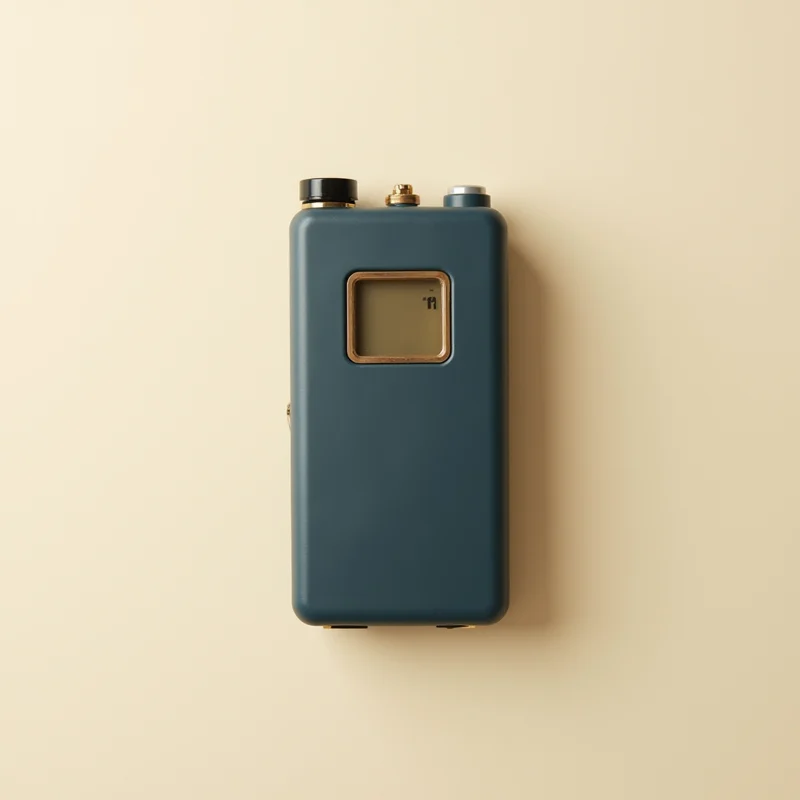
Classic Flotation Coat
4.7(1,620)4.7 out of 5 stars, 1,620 reviews, on Amazon at the time this was writtenA Coast Guard approved coat you will actually wear, which is the only meaningful difference between a PFD that saves you and one stowed under a seat.
- 02
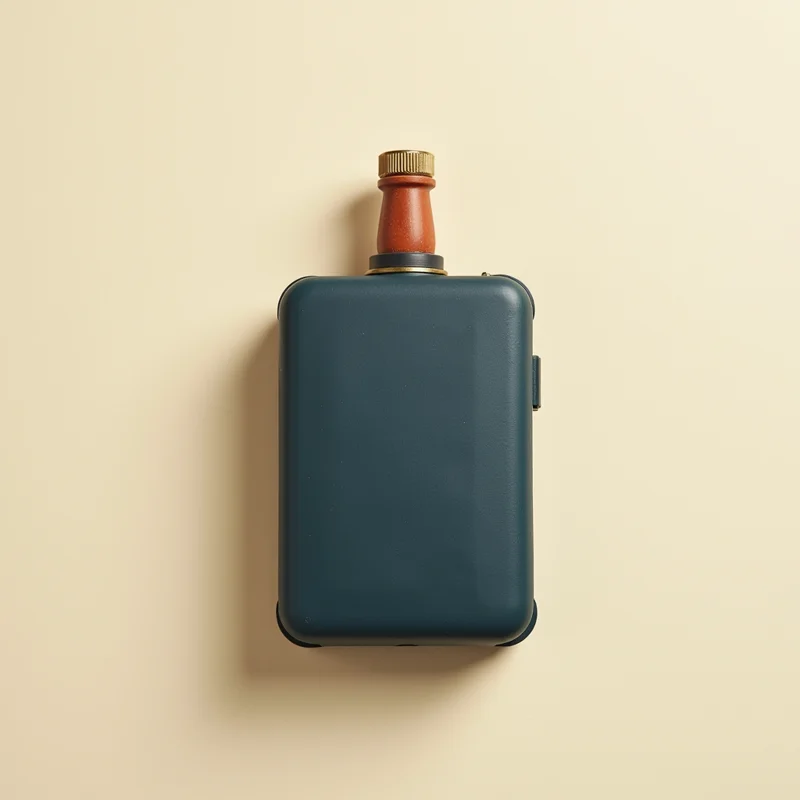
A/M-24 Inflatable PFD
4.5(4,100)4.5 out of 5 stars, 4,100 reviews, on Amazon at the time this was writtenA low-bulk inflatable that is comfortable enough to wear in August heat, so summer anglers stop leaving the PFD in the bow.
- 03
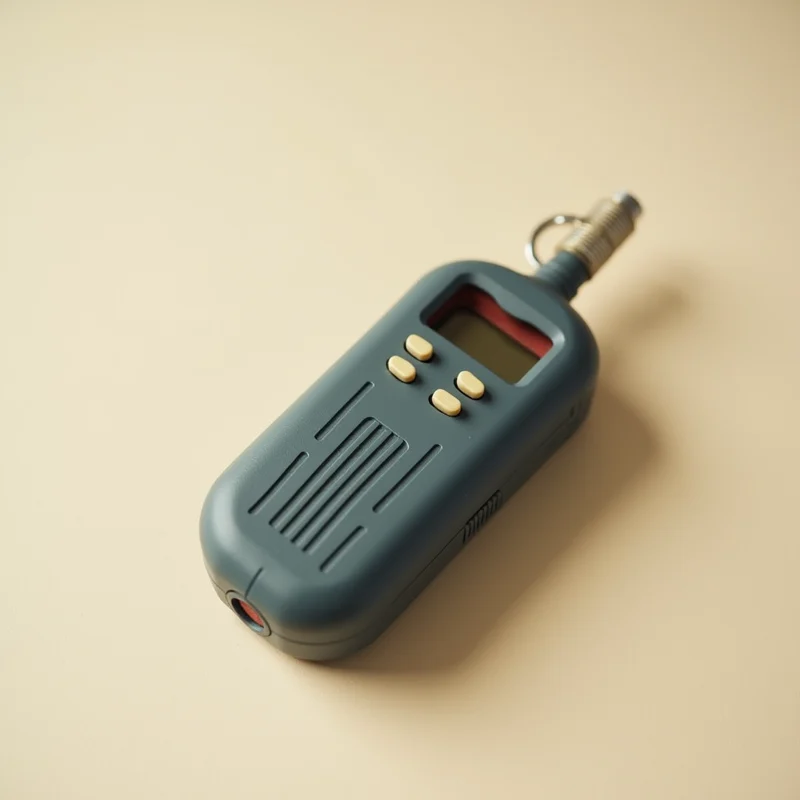
HX210 Handheld VHF
4.6(2,200)4.6 out of 5 stars, 2,200 reviews, on Amazon at the time this was writtenA floating, submersible six-watt handheld that reaches the Coast Guard when a cell phone has no bars, which offshore on Superior and Huron is most of the time.
- 04
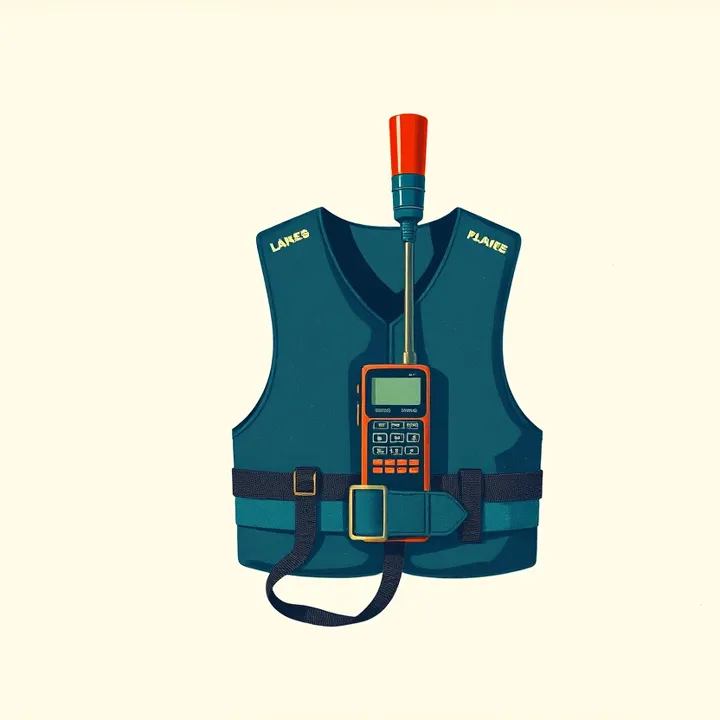
ResQLink View PLB
4.8(780)4.8 out of 5 stars, 780 reviews, on Amazon at the time this was writtenA satellite personal locator beacon that puts your GPS position in front of search and rescue from anywhere on the lakes, with no subscription and no cell signal.
- 05
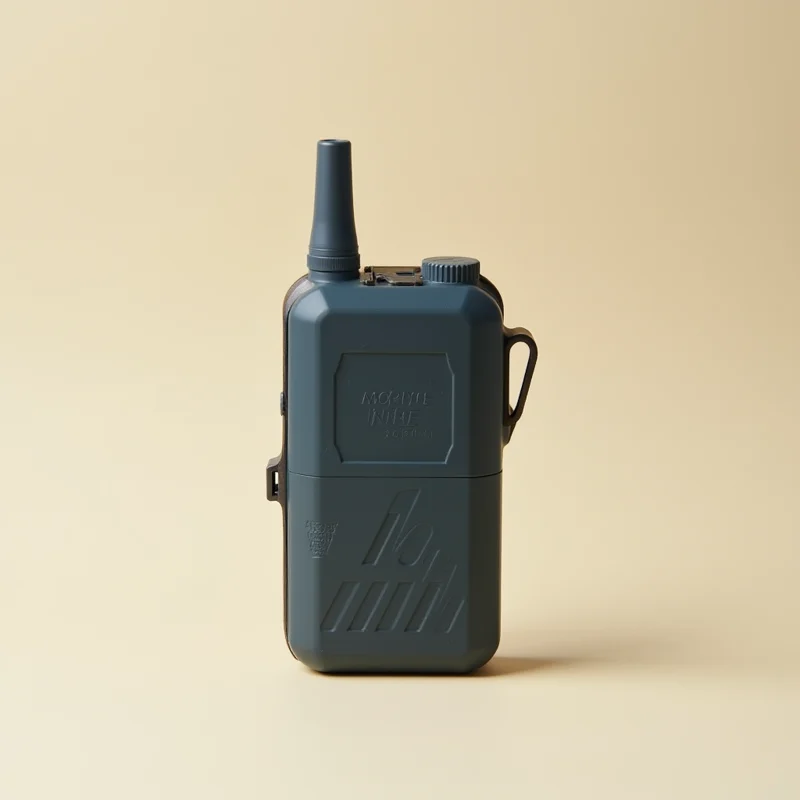
Coastal Alerter Flare Kit
4.3(940)4.3 out of 5 stars, 940 reviews, on Amazon at the time this was writtenThe visual distress signals the Coast Guard requires on most boats, in a kit that covers day and night without picking each piece separately.
- 06
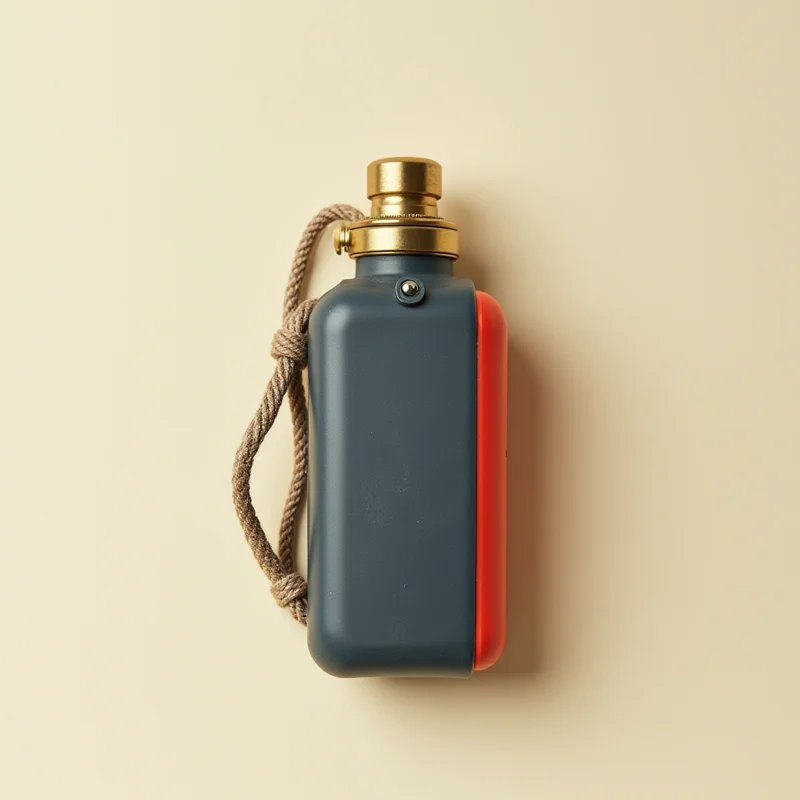
Type IV Throwable Cushion
4.4(3,600)4.4 out of 5 stars, 3,600 reviews, on Amazon at the time this was writtenThe legally required throwable on boats sixteen feet and over, and the thing you throw to someone in the water while you turn the boat around.