Complete setup
Western Basin Walleye Trolling Kit
The board-and-crankbait spread that covers open Lake Erie water once the walleye leave the reefs in June.
Pieces
7
All in, roughly
About $520 for two rod setups and a working spread
Built for
Erie
Target
Walleye
What this kit does
Once western-basin walleye scatter off the reef complex in June, they stop being a structure fish and start being a water-coverage problem. They suspend, they roam, and on any given day they will be at a depth and a distance from the boat that you have to find by trial. The answer everybody on that lake converged on is a wide planer-board spread pulling crankbaits and harnesses at controlled depths.
Everything here serves that one job.
The Okuma Classic Pro GLT is a soft, moderate-action trolling rod, and softness is the point: a walleye eating a crankbait at 2 mph gets to keep it because the rod loads instead of tearing hooks free. Paired with the Cold Water line counter, you can put a bait at a repeatable distance behind the boat. That matters more than any other single thing in this kit. When a fish comes in at 85 feet back, you want the other five rods at 85 feet back within a minute.
The Church TX-44 planer boards carry those lines 40 to 80 feet out to the sides. On a shallow, clear, heavily fished lake, boat noise pushes fish sideways, and boards get baits into water the hull never crossed. Two boards per side is a sane starting spread for two anglers.
Snap weights are what turn a shallow-running bait into a depth-controllable one. Clip a one- or two-ounce weight in at a measured distance ahead of the lure and you can walk a crankbait down through the column without re-rigging. This is the piece most beginners skip and then wonder why the fish are under their spread.
The Bandit Walleye Deep is the crankbait the Erie fleet actually pulls, with published dive curves that make the line-counter numbers mean something. The Northland crawler harness covers the other half of the season, when fish want a slow, flashy, meat presentation instead of a hard bait, usually in warmer water and slower speeds around 1.2 to 1.6 mph.
Trilene XT mono rather than braid on purpose. Mono stretches, which forgives hooksets on a trolled treble, and it feeds through board releases and snap weights without cutting or slipping.
What it deliberately leaves out
No bottom bouncers. Those are for a different presentation, dragging a harness on or near bottom in 20 to 30 feet. They are excellent, and they belong in a jigging-and-drifting kit, not a suspended-fish trolling spread.
No sonar. You need a fishfinder on Erie, but which one depends entirely on your boat, your budget, and whether you already own one. Buying a chartplotter as part of a tackle bundle is how people end up with the wrong unit.
No downriggers. Overkill in an average of 25 feet of water. Snap weights and diving cranks reach everything in the western basin for a fraction of the cost and without drilling the gunwale.
No jigs. April reef fishing is a completely different kit, and pretending one box does both seasons is how you end up with a boat full of gear you never open.
Bag limits and size limits on Erie are set annually from the binational allocation and differ between Ohio, Michigan, Pennsylvania and New York. Check the current rules with the state agency for the water you launch into.
Frequently asked questions
Can I trim cost by starting with one planer board instead of two per side?
A single board per side works and lets you cover both sides of the spread while learning the system. The limitation is fewer lines in the water and less ability to stagger baits at different distances. Start with one board per side, get comfortable managing line releases and board retrieval when a fish hits, then add boards as the system makes sense. The Okuma rods and line counters are where not to cut corners, because repeatability is the whole point of the trolling system.
What skill level is this kit for?
A working trolling spread on Erie is more boat management than fishing technique: setting out lines in order, keeping them from tangling on a turn, retrieving boards when a fish fires, and re-deploying without crossing other lines. This is learnable and most people have it figured out after two or three trips, but it rewards watching an experienced angler work a spread first. The Erie charter fleet is dense enough that a half-day guide trip is a reasonable first step.
What else will I need that is not in this kit?
A sonar or fishfinder for the boat, which is too boat-specific to include here. A net appropriate for walleye: shallow bag, long handle, fine mesh to protect fish being released. Current bag limits and size limits from the Ohio, Michigan, Pennsylvania, or New York agency for the water you are launching from, which change year to year from the binational quota. Nightcrawlers for the harnesses.
Does a planer-board spread work on other Great Lakes for walleye?
The same approach works on Lake St. Clair for open-water walleye and on Saginaw Bay open water. Georgian Bay on Huron holds walleye that respond to similar tactics. The kit is built around Erie’s western basin because that fishery is the most approachable: consistent summer walleye in relatively shallow water, a dense guide community, and detailed local knowledge available at every port. Transferring to other lakes means learning that lake’s specific depths, temperatures, and seasonal patterns, but the board-and-crank system carries directly.
How long do the boards and cranks last?
Planer boards stored out of UV and rinsed after use last many years; the flag clips and line releases wear first and are cheap to replace. Bandit crankbaits are consumable tackle; plan on losing a few to snags and bottom each season, and add to your color selection as you learn what the Erie fish want by month and depth. Line-counter reels and moderate trolling rods with proper rinse and storage will outlast the rest of the kit many times over.
The list
Every piece, in order
- 01
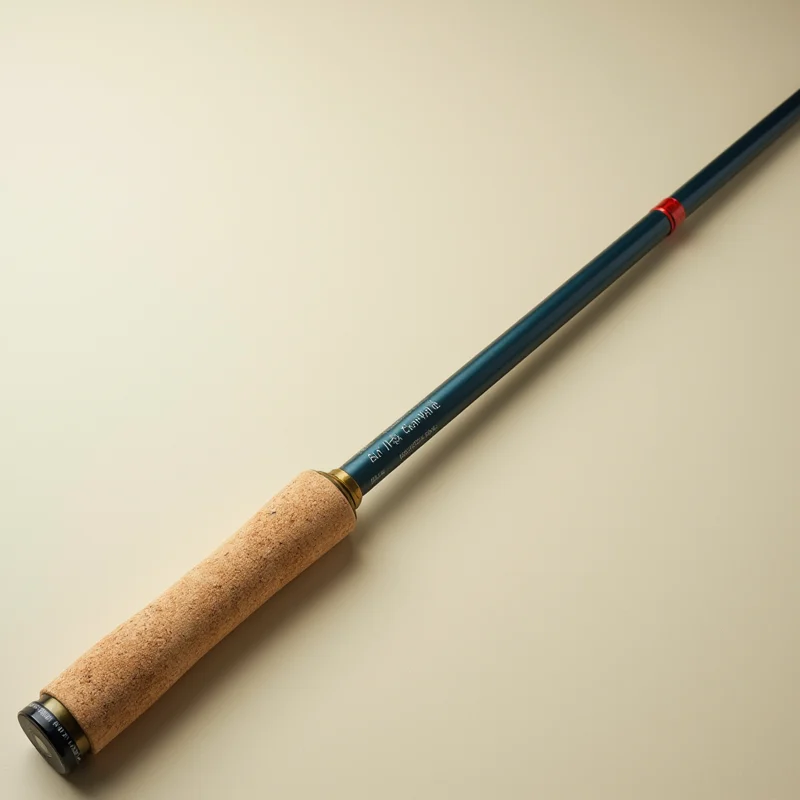
Classic Pro GLT Trolling Rod
4.5(3,100)4.5 out of 5 stars, 3,100 reviews, on Amazon at the time this was writtenThe rod most Great Lakes charter boats actually have in the holders, at a price that lets you buy six of them.
- 02
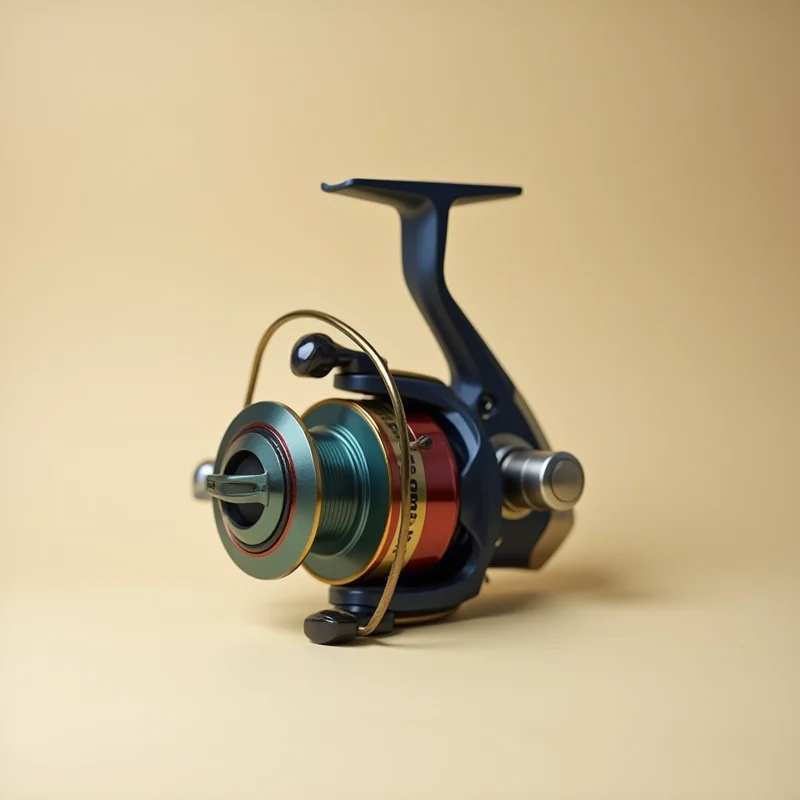
Cold Water Line Counter Reel
4.5(2,100)4.5 out of 5 stars, 2,100 reviews, on Amazon at the time this was writtenThe line counter that put repeatable trolling depths within reach of everyone with a boat and eight rod holders.
- 03
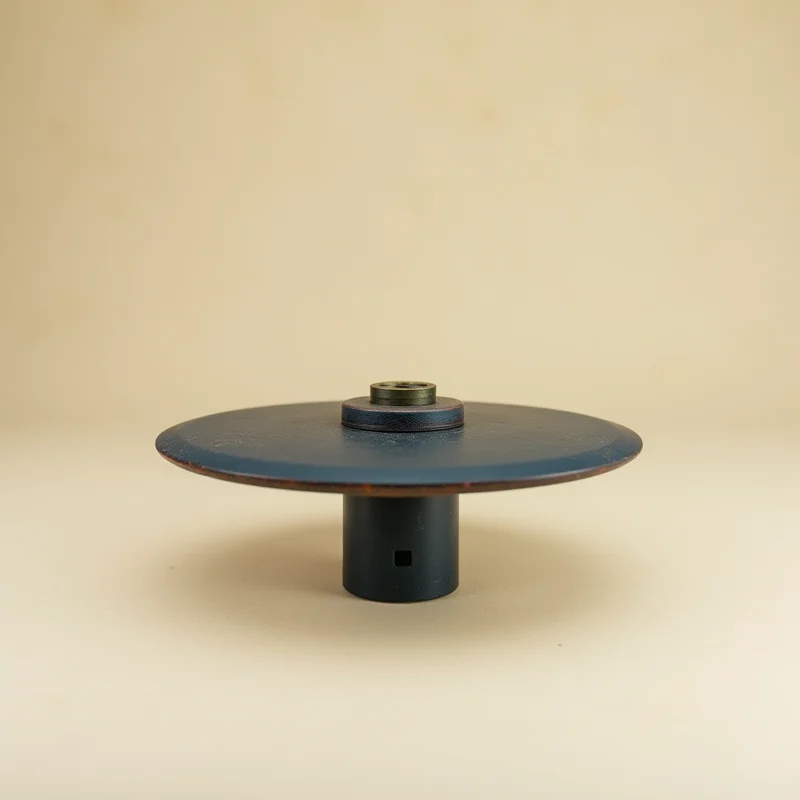
TX-44 Planer Board
4.7(2,200)4.7 out of 5 stars, 2,200 reviews, on Amazon at the time this was writtenThe in-line board that walleye trolling on Erie is essentially built around — it tracks hard, releases clean, and shows a bite.
- 04
Snap Weight Kit
4.5(340)4.5 out of 5 stars, 340 reviews, on Amazon at the time this was writtenClip-on weights that go 50 feet up the line, so the bait runs deep and there is no hardware near it.
- 05
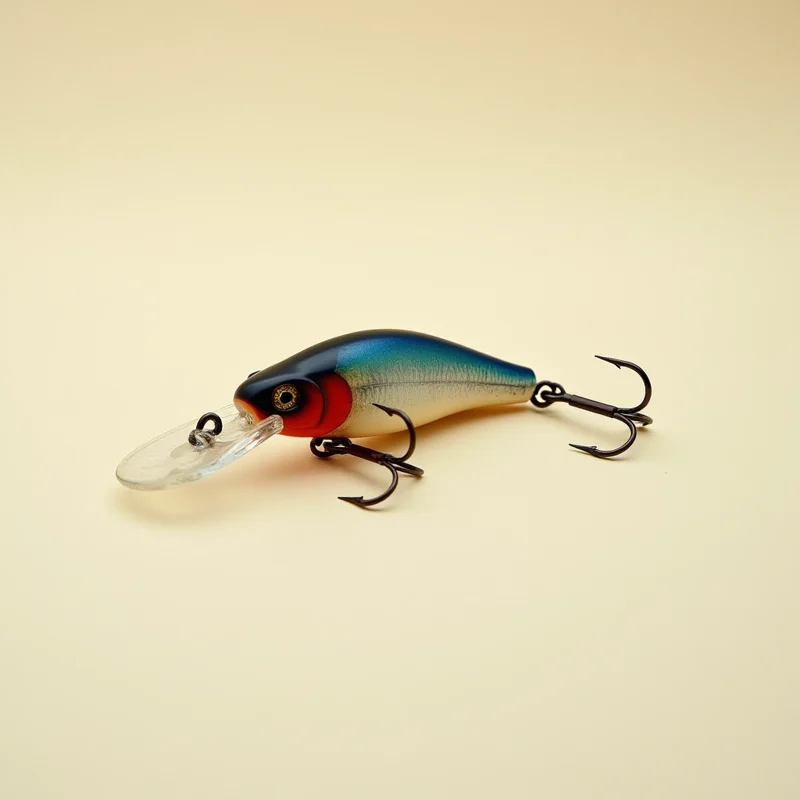
Walleye Deep Crankbait
4.6(2,600)4.6 out of 5 stars, 2,600 reviews, on Amazon at the time this was writtenThe crankbait Lake Erie walleye trolling runs on — it dives 18 to 22 feet on its own and the dive curves are published.
- 06
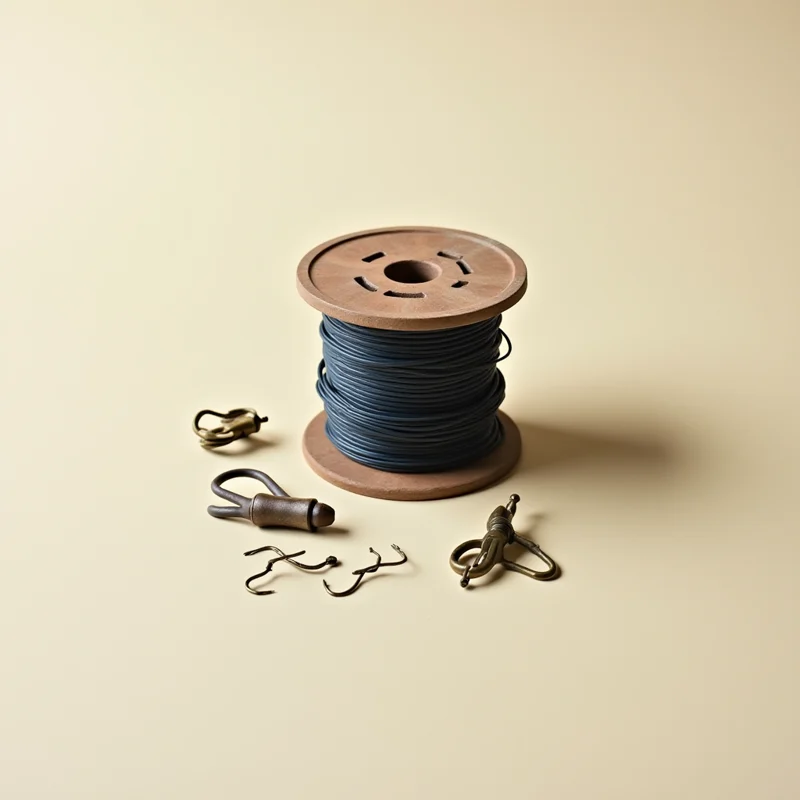
Baitfish Spinner Harness
4.4(4,600)4.4 out of 5 stars, 4,600 reviews, on Amazon at the time this was writtenThe June-through-September walleye rig on western Lake Erie, and the first terminal tackle a visiting angler should buy before a Saginaw Bay trip.
- 07
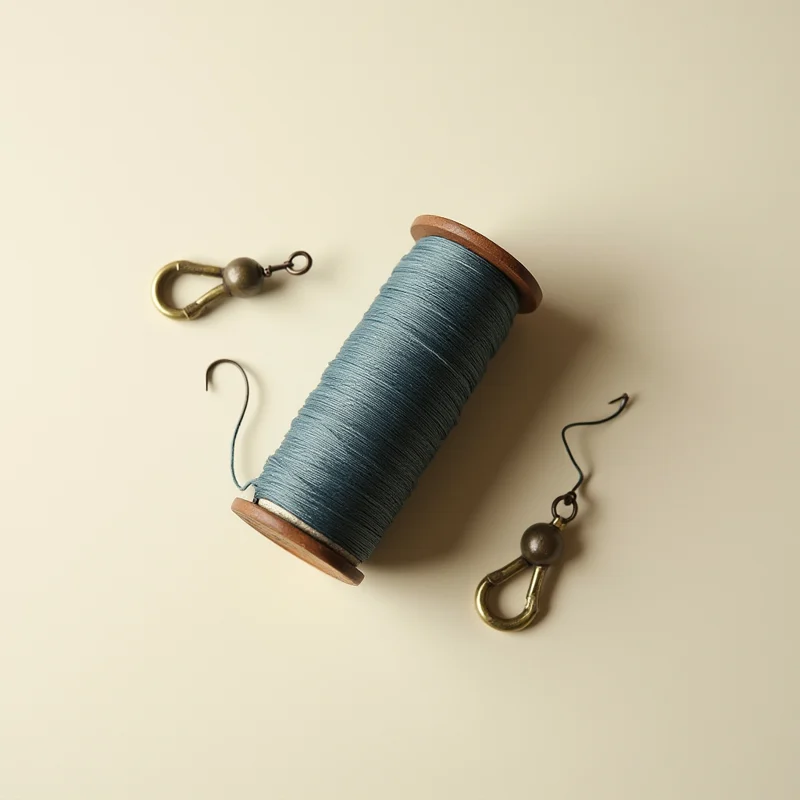
Trilene XT Monofilament
4.5(9,200)4.5 out of 5 stars, 9,200 reviews, on Amazon at the time this was writtenThe line most Great Lakes trolling programs still run, because stretch is a feature when a king salmon hits a rigger rod at 2.5 mph.