beach · Lake Michigan · est. 1948
Illinois Beach State Park
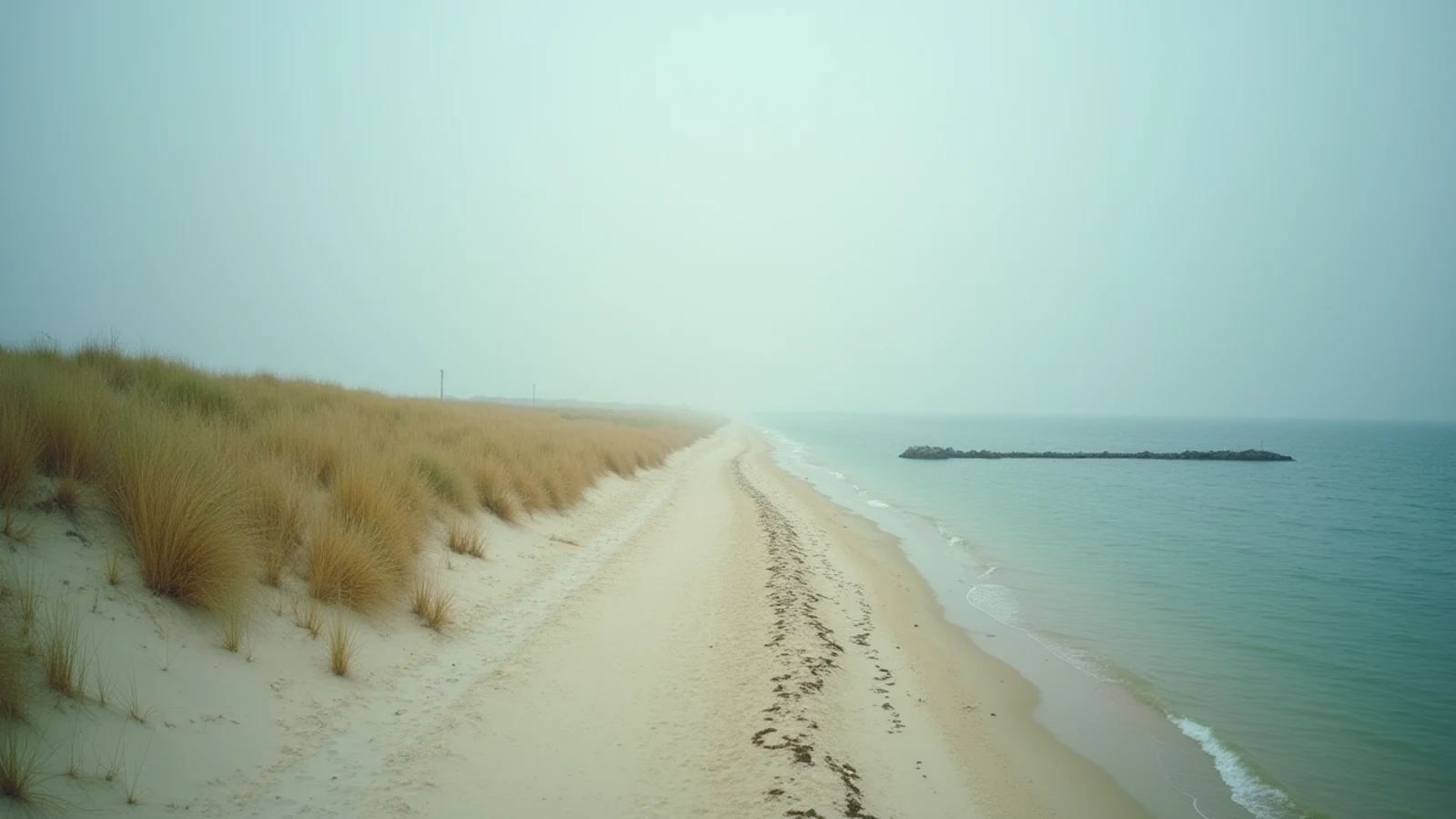
Six and a half miles of Lake Michigan shoreline at Zion, Illinois — the only remaining natural beach ridge and dune community in the state.
Illinois has 63 miles of Lake Michigan shore and nearly all of it is city, harbor, revetment or private. Illinois Beach State Park is the exception: about six and a half miles of natural sand at Zion in Lake County, near the Wisconsin line, and the only place in the state where the original beach-ridge landscape survives.
The park is in two units, north and south, split by the Zion power plant site. The southern unit holds the swimming beach, the campground and the Illinois Beach Nature Preserve — the first area ever dedicated under the Illinois Nature Preserves system, in 1964.
What makes the ground unusual
The landform is a dune-and-swale complex. As Lake Michigan dropped from its post-glacial high levels, it left a series of parallel sand ridges with wet troughs between them, running roughly north-south, one after another inland from the current shore. Each ridge is drier than the swale beside it, and different plants grow on each.
That fine-grained variation is why the park supports roughly 650 plant species in a few thousand acres — prickly pear cactus on the dry ridges, orchids and sedges in the wet swales, black oak savanna behind. It is one of the most botanically diverse parcels in Illinois and it is sitting between a nuclear plant and the suburbs.
Walking it is easy: the trails are flat sand and mown path, and the interest is at ankle height and eye level rather than on a horizon.
The beach and the water
The designated swimming beach in the southern unit is guarded during the posted summer season. Outside those hours and outside that beach, swimming is at your own risk and much of the shoreline is not open to it.
Lake Michigan on this shore does what it does everywhere: a sustained onshore wind builds a shorebreak and drives rip currents out through gaps in the nearshore sandbars. There is no long pier here generating the classic structural rip, but the sandbar rips are real and they are the ones people underestimate because the surf looks small.
If you are caught in a current pulling you offshore, swim parallel to the beach until it lets go, then angle in. Do not swim straight back against it — that is what drowns strong swimmers. Float and wave if you cannot make headway.
Water temperature runs from the 40s in May to the low 70s in August, and offshore winds cause upwelling that can drop it sharply in a day. There are stretches of the season with no guard on duty at all.
Erosion, and why the beach moves
The shoreline here is actively eroding. Harbor structures north and south have interrupted the natural southward sand supply, and the state has been managing the loss for decades with breakwaters and, more recently, larger nearshore projects. Beach width, access paths and even trail alignments change between seasons. What a map showed three years ago may not be the ground you are standing on.
When to go
June through September for the water. May and September for birds — this is a Lake Michigan flyway shore and migration is heavy in both directions. Late summer for the prairie bloom on the ridges. Winter for empty sand, ice shelves along the water, and a lake that looks like the North Atlantic.
Before you turn up
Entry is free. There is a campground with electric sites, a resort and conference center in the southern unit, and a boat launch at North Point Marina in the northern unit — one of the largest marinas on the lake.
Stay on marked trails in the nature preserve. The plant communities here are fragile and there is not much of them left.
North Point Marina is the launch point for the Illinois salmon and trout fishery — coho in spring, chinook and steelhead through summer, browns close to shore in the shoulder seasons. Illinois DNR sets Lake Michigan-specific seasons and limits, and they change annually.
What you came for
- About 6.5 miles of Lake Michigan shoreline, the longest stretch of natural beach left in Illinois.
- The dune and swale ridges here support roughly 650 plant species; the southern unit is a dedicated Illinois Nature Preserve.
- Guarded swimming during the posted summer season at the designated beach in the southern unit.
- Miles of flat hiking through dune, prairie and marsh with almost no elevation change.
- Shoreline erosion is active and ongoing — the beach profile and access points change between seasons.
Lights on this shore
- Waukegan Harbor Light4.1 mi · est. 1889
- Kenosha North Pier Light12 mi · est. 1906
- Kenosha Light12 mi · est. 1866
Swimming here
This beach is on the state’s federal beach list, with the water-testing record and a link to today’s advisories:
- Illinois Beach State Park Resort Beach0.6 mi · water sampled