beach · Lake Erie · est. 1955
Headlands Beach State Park
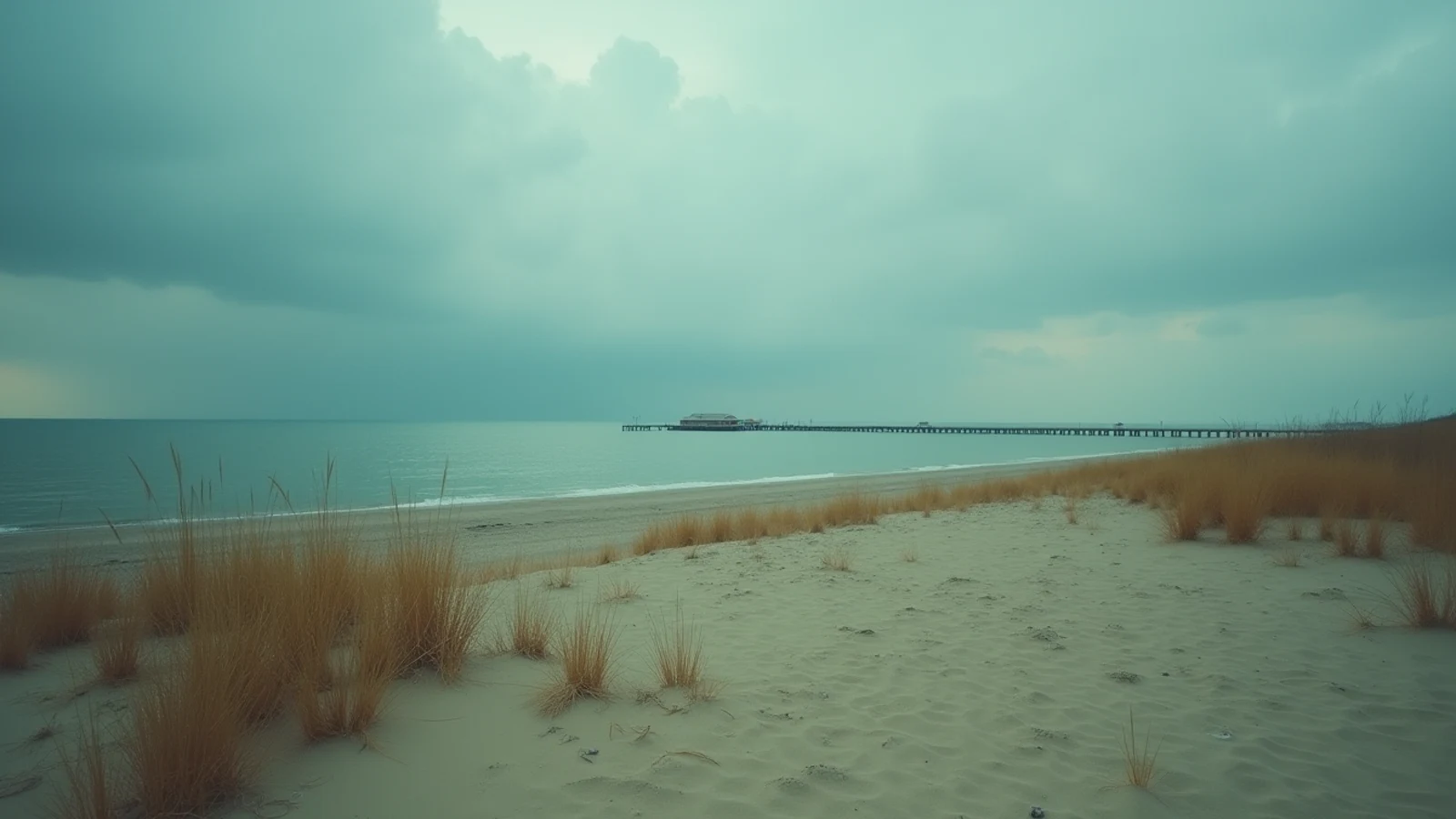
The longest natural sand beach in Ohio — a mile of Lake Erie shore at Mentor, with a dune natural area at the east end.
Headlands Beach is a mile of sand at Mentor in Lake County, about 30 miles east of Cleveland, and it is the longest natural beach in the Ohio state park system. Not the longest engineered one — the longest natural one. Most of Ohio’s Erie shore is bluff, rock or armored, and this stretch is a genuine sand shoreline with a dune system behind part of it.
The park is essentially a beach, a very large parking lot, a picnic area, and a boardwalk. That simplicity is the point. On a hot Saturday it takes a crowd better than almost anywhere on this coast.
The dunes preserve
At the east end, Headlands Dunes State Nature Preserve protects one of the last surviving Lake Erie beach-dune plant communities in Ohio. Beach grass, sand cherry, seaside spurge — species that belong on an Atlantic barrier island and turn up here because the conditions are similar. Stay on the marked path; the community is small and foot traffic is what killed the rest of it.
The preserve, along with Mentor Marsh to the south, makes this one of the better spring migration stops in northeast Ohio. The first two weeks of May bring warblers dropping in off the lake in numbers, and the birders show up in numbers to match.
The water — read this part
The east end of the beach runs up to the Fairport Harbor breakwall and the west pier at the Grand River mouth. That structure is where people drown.
The mechanism is straightforward. Wind from the north or northwest pushes water toward the beach. The water has to return, and a pier or breakwall gives it a straight channel. A structural rip current forms tight along the wall and runs directly out into the lake, fast. It can move faster than a strong swimmer swims. It does not pull you under; it pulls you offshore, and people exhaust themselves fighting it and go under from that.
Lake Erie’s Ohio shore has a long record of these incidents, and they cluster at exactly this kind of structure — Fairport, Ashtabula, Lorain, Huron.
What to do:
- Do not swim near the breakwall or the pier. Put real distance between yourself and the structure.
- Do not jump off the pier. It is not a swimming platform.
- If you are pulled out, swim parallel to shore. The rip is narrow. Get out of it sideways, then come in at an angle. Do not swim straight at the beach against the current.
- Float if you cannot swim. Panic and thrashing kill more people here than distance does.
Guards are on duty only during posted hours in the summer season, and the beach is open and unguarded well outside that. Ohio flies the standard beach flag system; red means the lake is doing this today.
Erie is the shallowest and warmest lake on the chain — mid-70s Fahrenheit surface temperature in August is normal, sometimes higher — which is exactly why more people swim here and why the drowning numbers are what they are. Warm water lowers everyone’s guard.
Late-summer algal blooms in the western basin do not usually reach this far east, but Ohio issues advisories when they do. Check before a long swim with kids.
Before you turn up
Entry and parking are free, which is unusual and welcome. The lot is enormous and still fills by midday on hot weekends.
Restrooms and changing facilities are seasonal. There is essentially no shade — bring your own or come late in the day.
Fairport Harbor next door has a working commercial and charter fleet. The walleye and steelhead fishery on the central basin off Fairport is strong, with walleye moving east through the summer and steelhead running the Grand River in fall and spring. Ohio DNR Division of Wildlife sets the rules and they change annually.
What you came for
- About a mile of natural sand — the longest continuous beach in the Ohio state park system.
- Headlands Dunes State Nature Preserve at the east end protects one of the last remaining Lake Erie dune communities in Ohio.
- The Fairport Harbor breakwall and west pier sit at the east end, and the structural rip current along them is the main hazard on this beach.
- Mentor Marsh and Headlands Dunes make this a top migratory bird stop in northeast Ohio each May.
- Roughly 30 miles east of Cleveland with a very large parking lot — but it still fills on hot weekends.
Lights on this shore
- Fairport Harbor Light0.5 mi · est. 1871
- Fairport Harbor West Breakwater Light1.0 mi · est. 1925
Swimming here
These beaches are on the state’s federal beach list, with the water-testing record and a link to today’s advisories:
- Headlands State Park0.5 mi · water sampled
- Fairport Harbor0.6 mi · water sampled